Why do we reach for a pen? When we ask this question, we often get pragmatic answers.
We want to note down appointments, sign contracts, or capture fleeting ideas before they fade. Yet in an age where every thought can be typed into the digital cloud, the physical act of writing remains something special.
If we trace the motivation for writing back to its true origin, we often encounter the same source as in photography: the stirring of human emotion. We write when our feelings are moved.
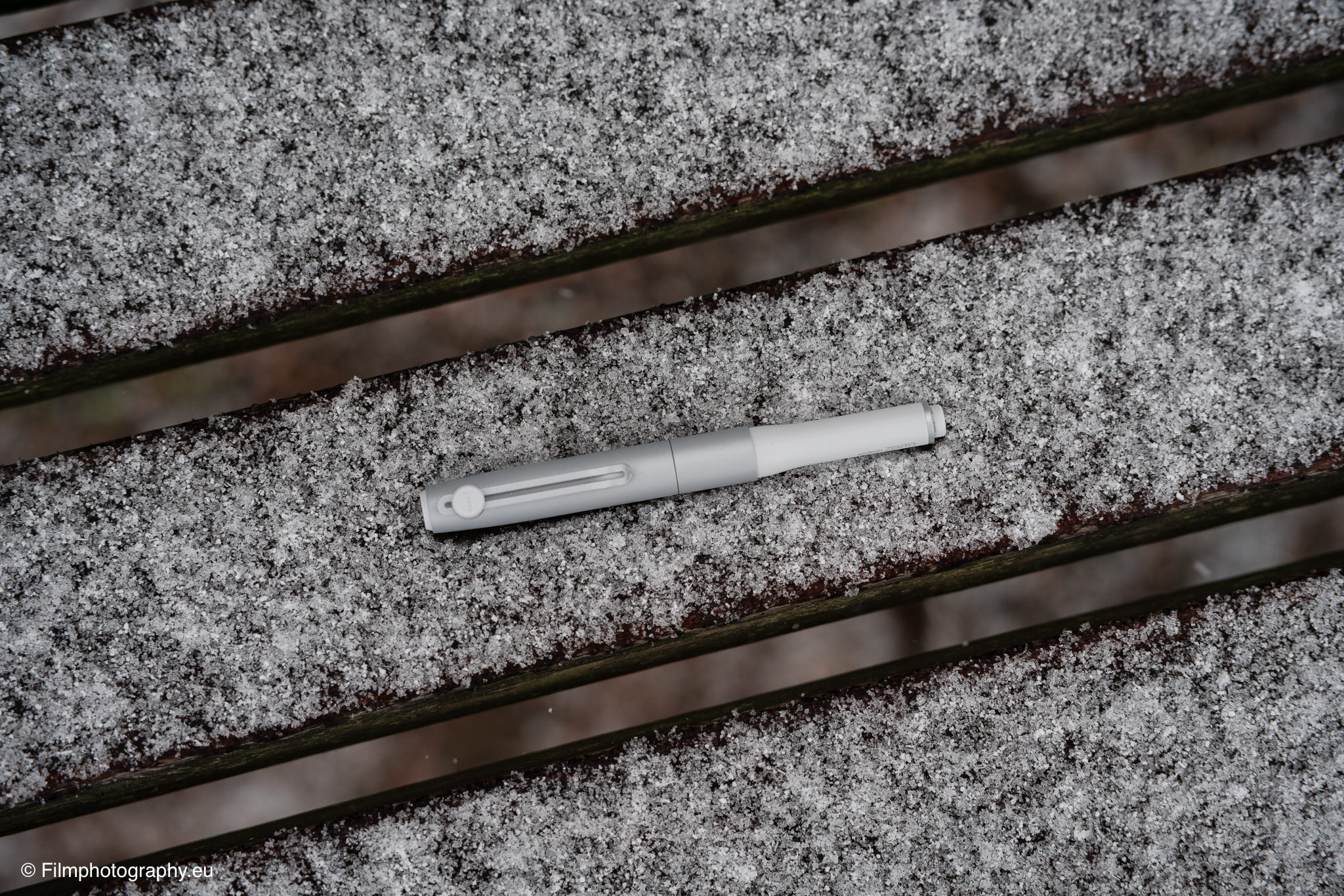
There is a Japanese philosophical concept that captures exactly these subtle shifts in sensation, that bittersweet pause in the face of the world's transience. This concept is called Mono no Aware. And to do justice to this profound feeling, one needs a tool that doesn't get in the way, but rather transfers the flow of thoughts onto the paper almost invisibly.
The term Mono no Aware is composed of "Mono" for things and "Aware" for that deep sigh of being moved. It is a gentle yet profound emotional resonance that arises when we become aware of the impermanence of nature and the delicate moments of life.
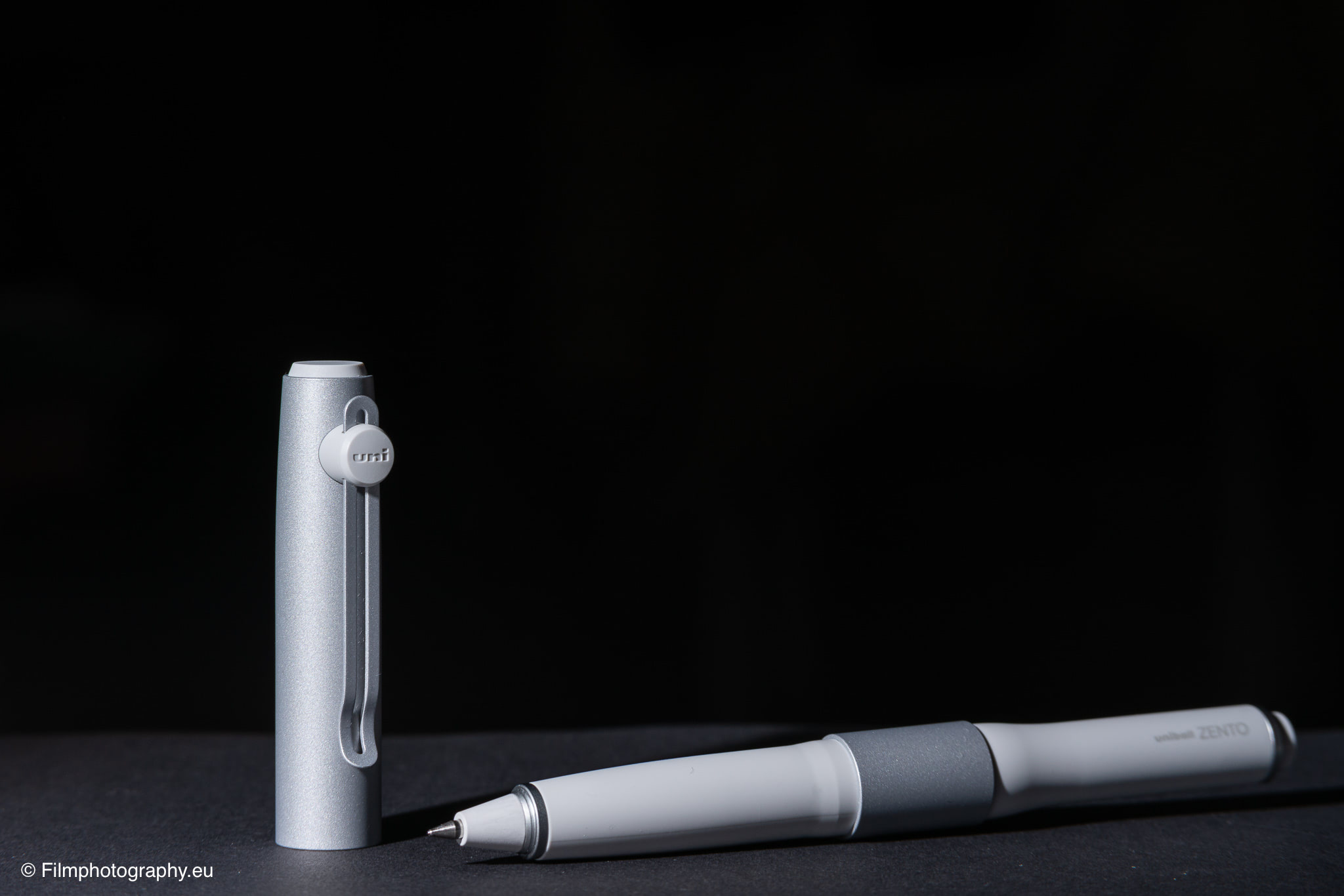
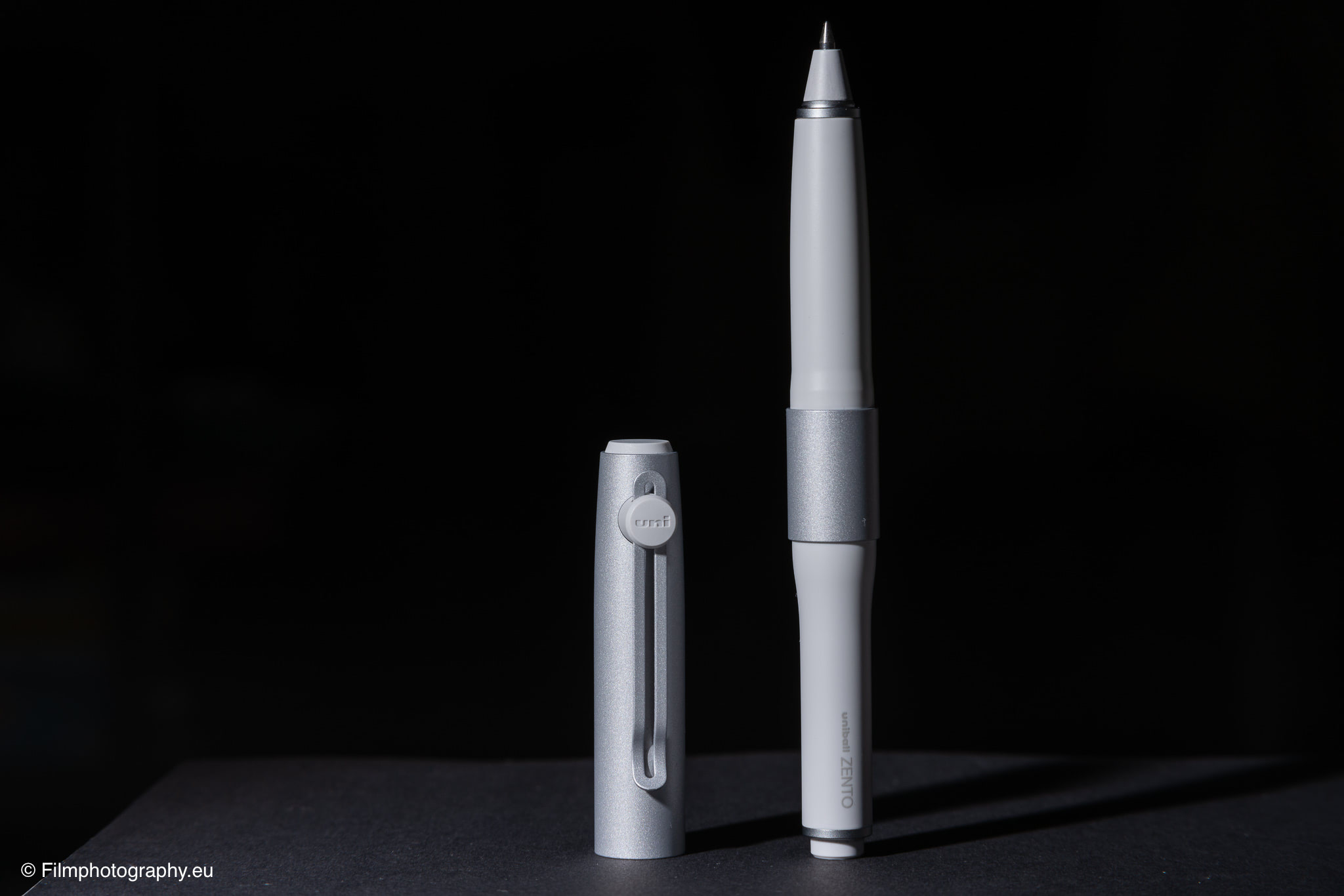
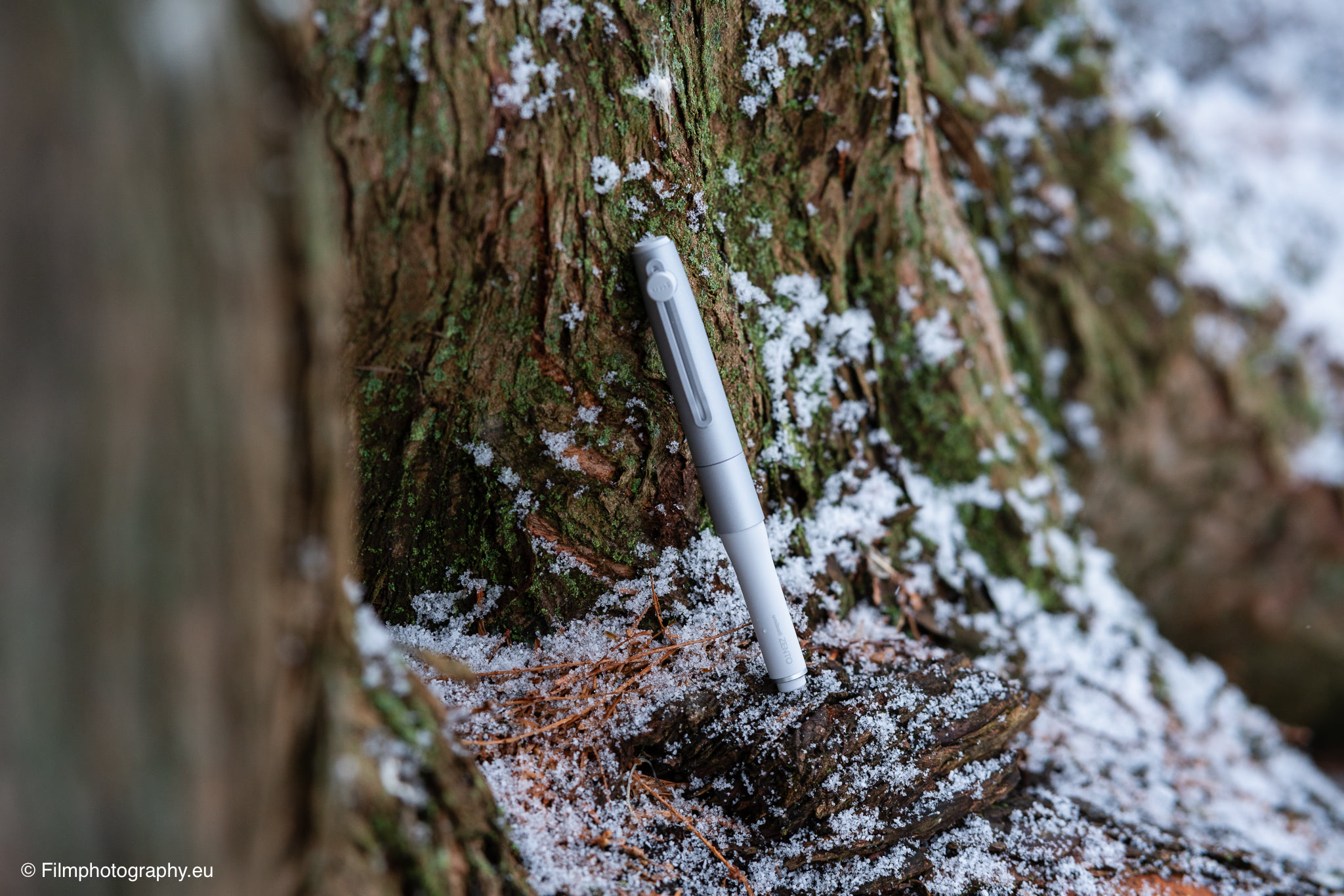
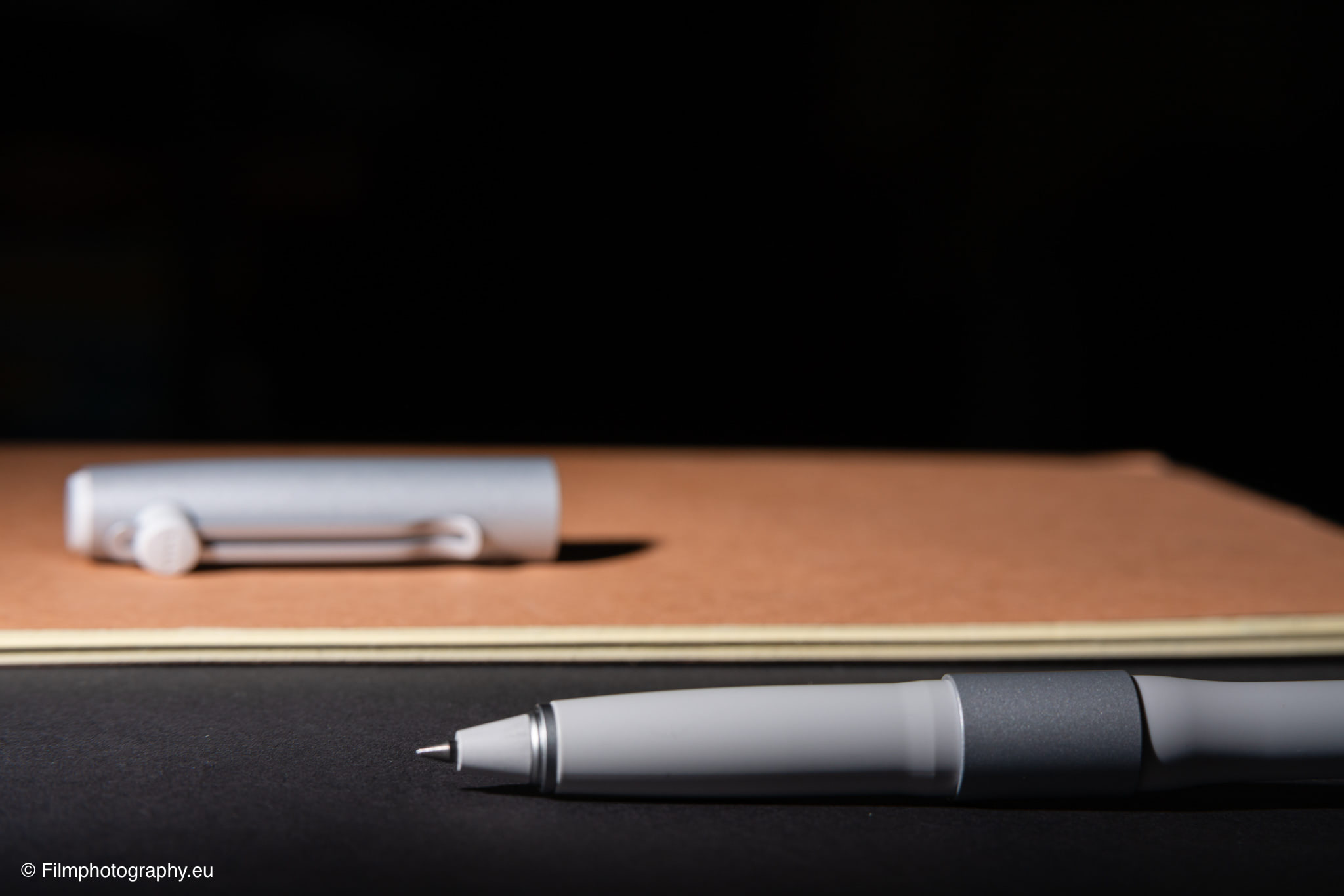
When you pick up the Uniball Zento Signature for the first time, you feel an almost meditative quality that corresponds to this concept. The design forgoes unnecessary flourishes; it is reduced, almost stoic. The pen's haptics convey a value that distinguishes it from a mere disposable item.
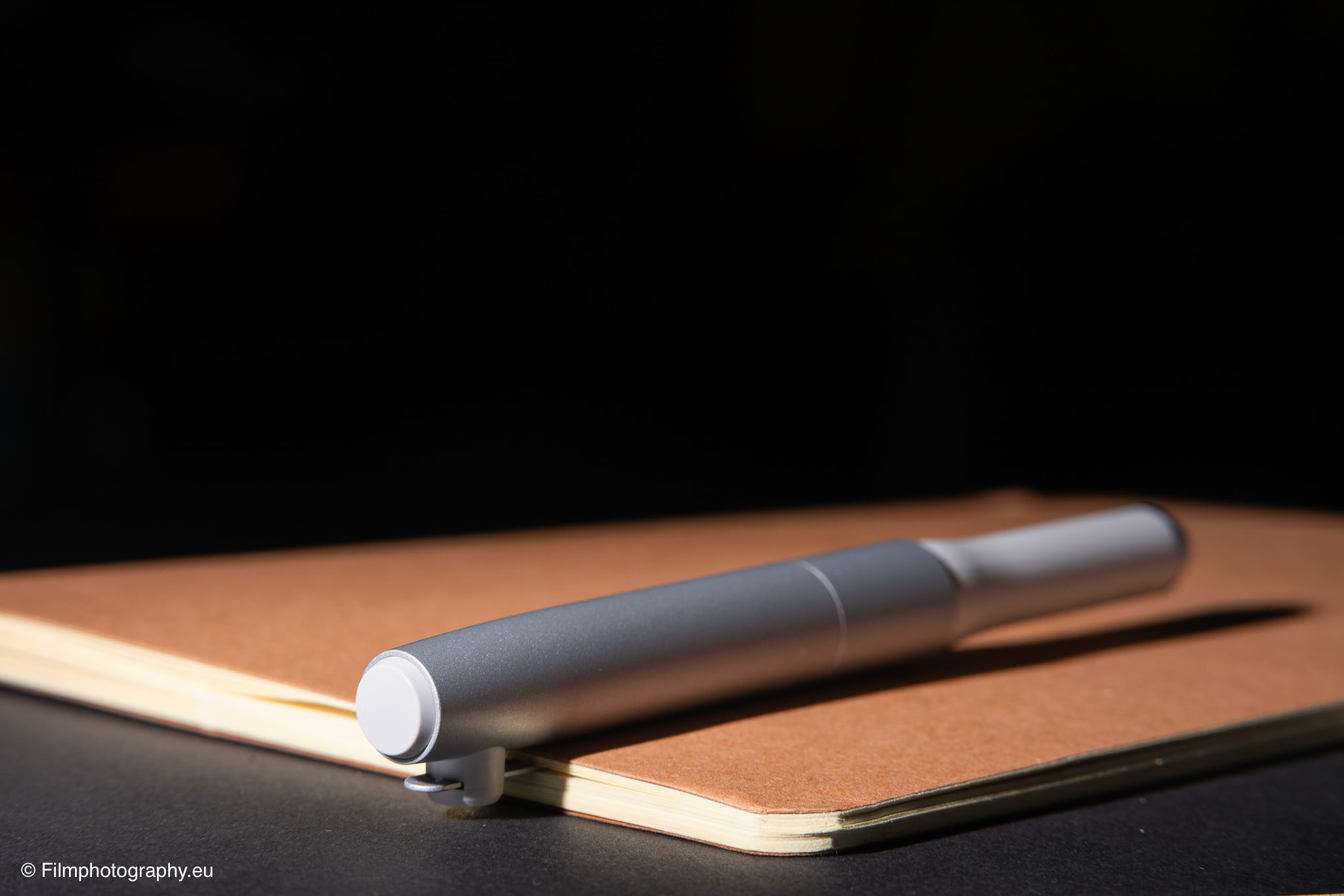
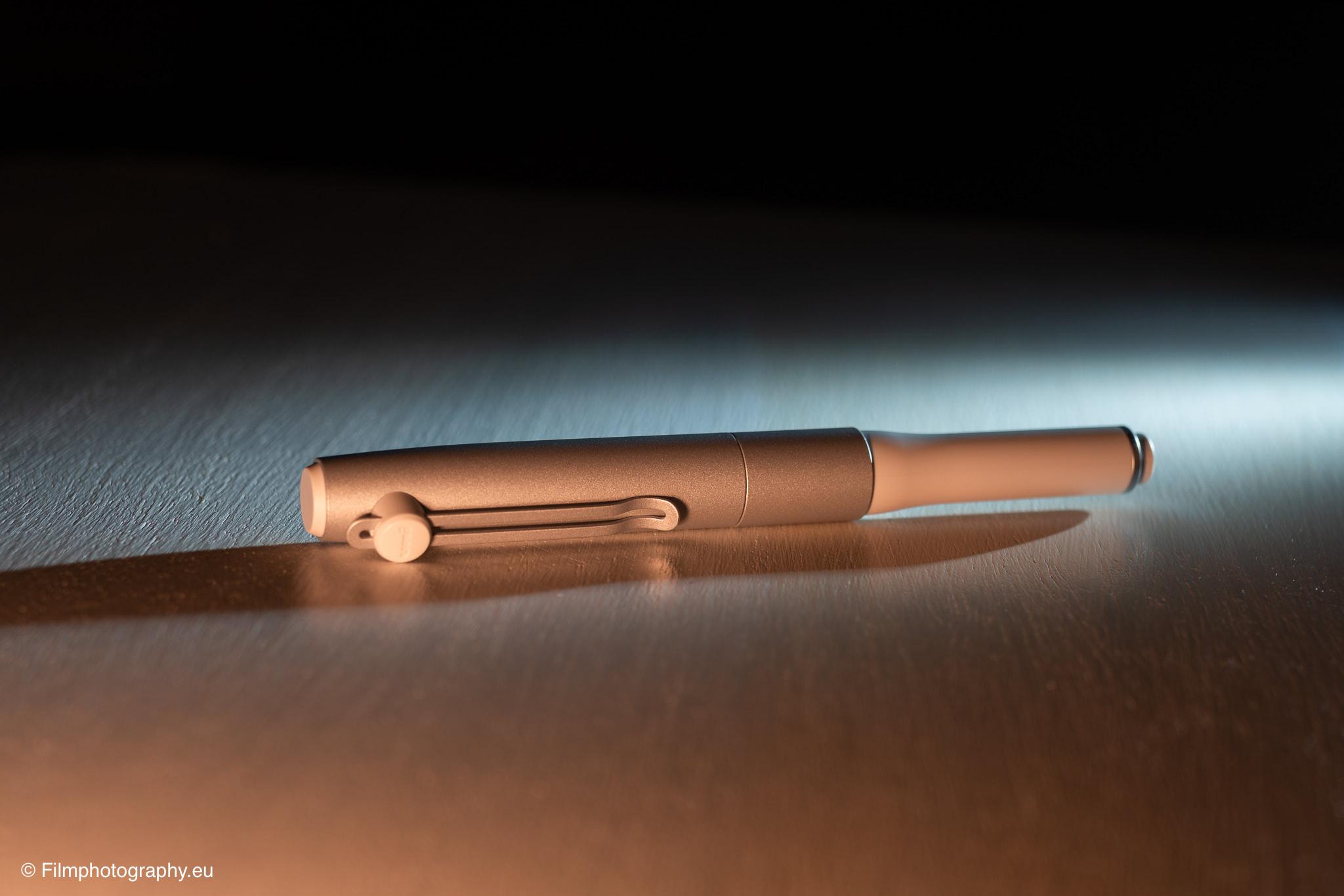
It is itself a "Mono," a thing with presence. The weight anchors the hand without tiring it, creating a physical connection to the moment of writing. A special detail is the magnetic cap. Its solid, almost ritualistic "click" when closing or posting marks the beginning and end of a thought.
In the Edo period, the scholar Motoori Norinaga argued that this feeling of Aware is the foundation of all great art. Norinaga taught us that grasping the world is not about moral lessons of good and evil, but about authentically sensing emotions. When the heart is moved, it does not measure by ethical norms, but by depth. This is precisely where the brilliance of the Zento Signature shows itself.
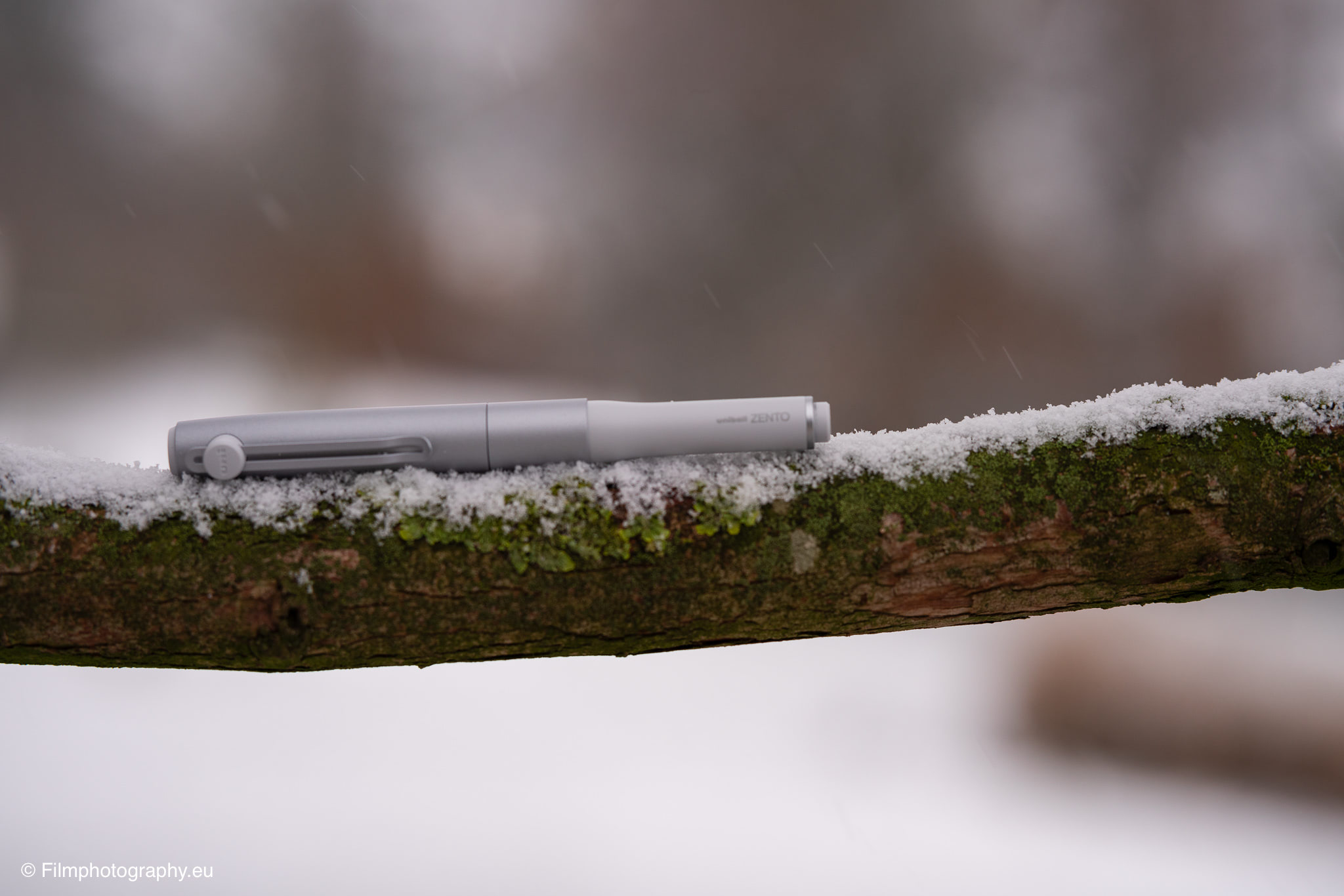
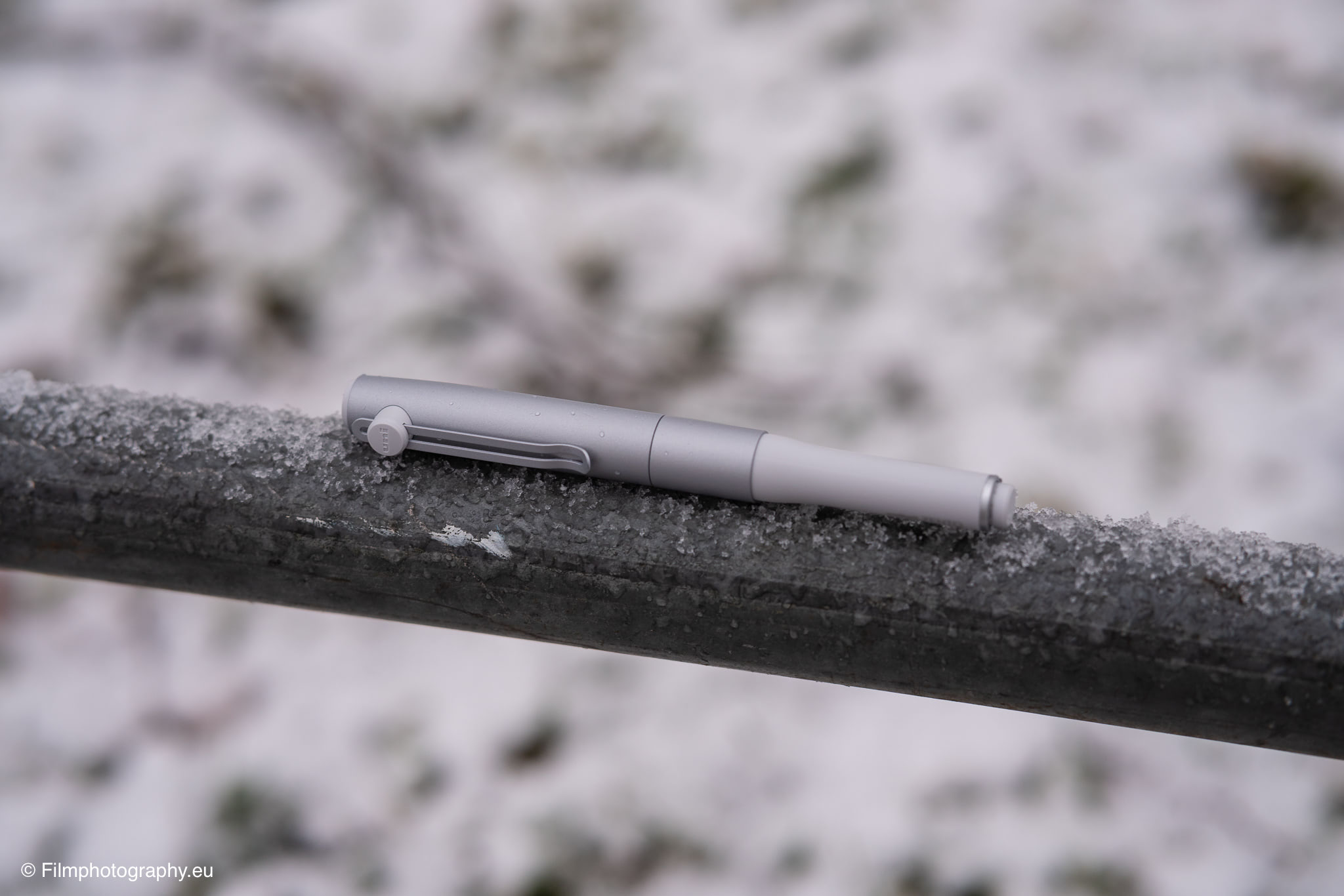
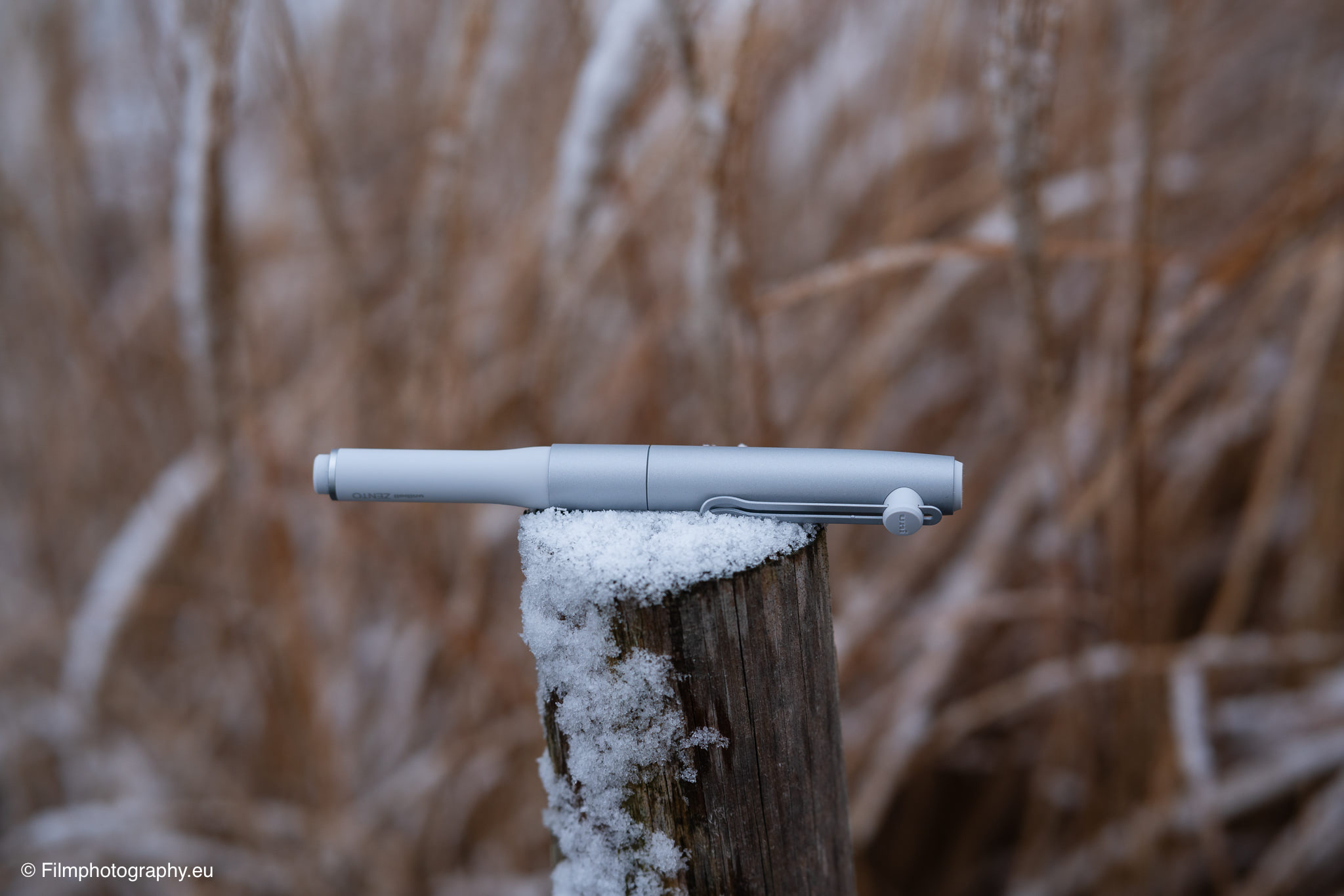
Behind this pen is the Mitsubishi Pencil Company, a company that has shaped Japanese writing culture since its founding in 1887. What began as a manufacturer of high-quality wooden pencils evolved over decades into a pioneer of ink technology.
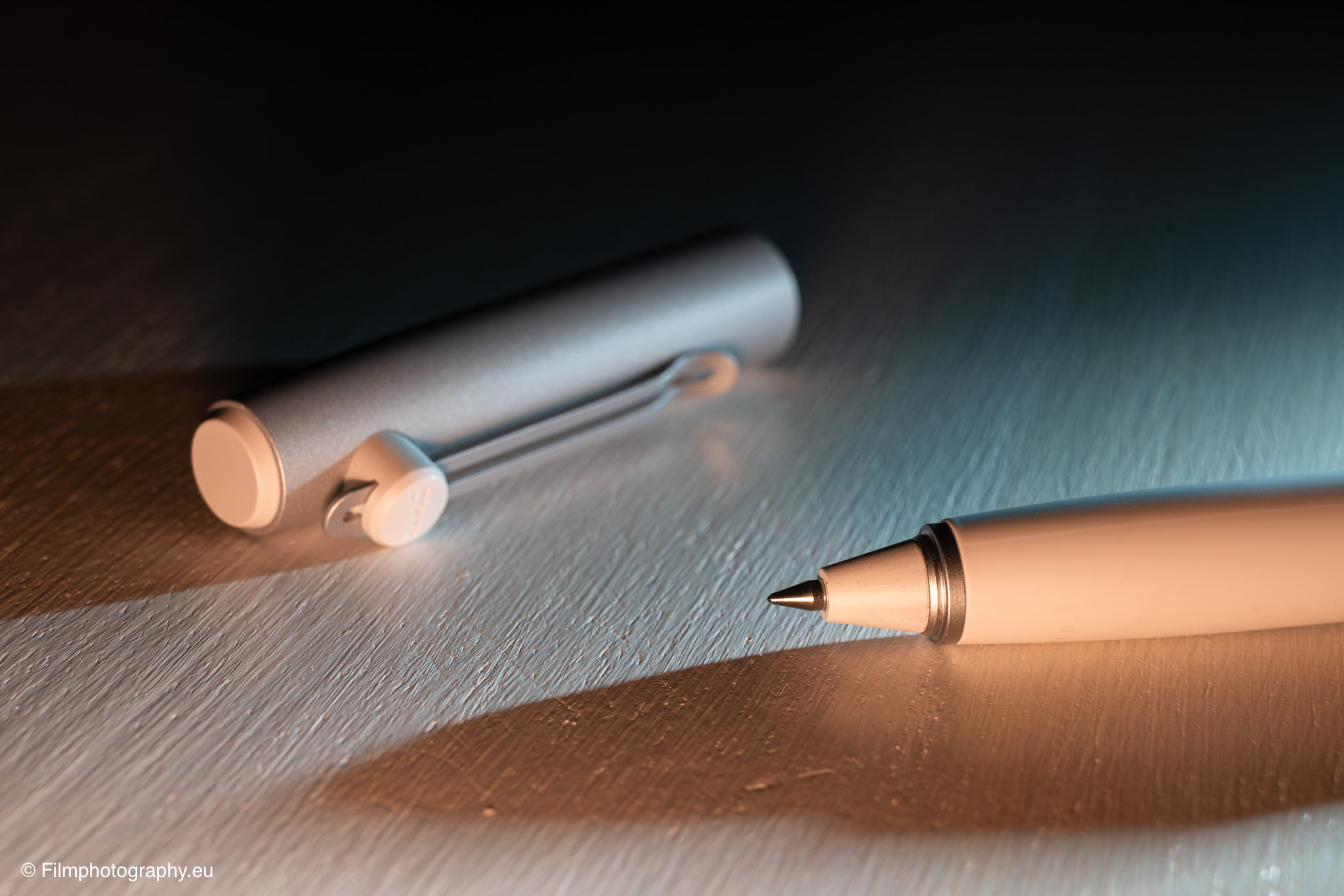
With the introduction of the first "Uniball" rollerball pen in 1979, the company revolutionized writing by combining the consistency of a ballpoint pen with the fluidity of a fountain pen. The Zento Signature is the provisional culmination of this evolution spanning over a hundred years.
The heart of this pen is the newly developed "Zento" ink. The ink contains special "damping components" (POA surfactants) that reduce friction between the ballpoint tip and the paper by about 40 percent.
For the writer, this means: the pen doesn't scratch, it glides. It's as if the pen itself understands that the moment you want to capture is fleeting.
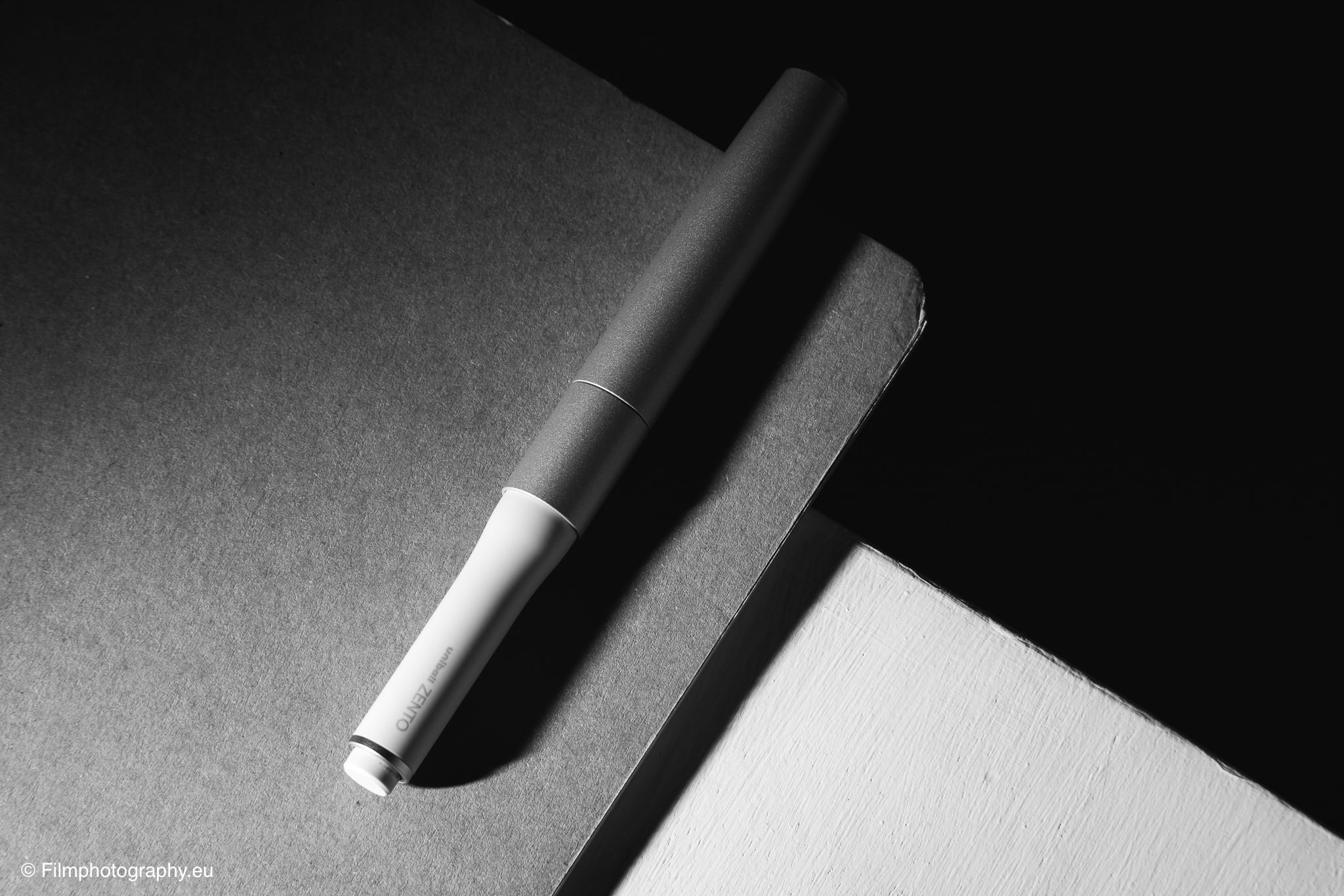
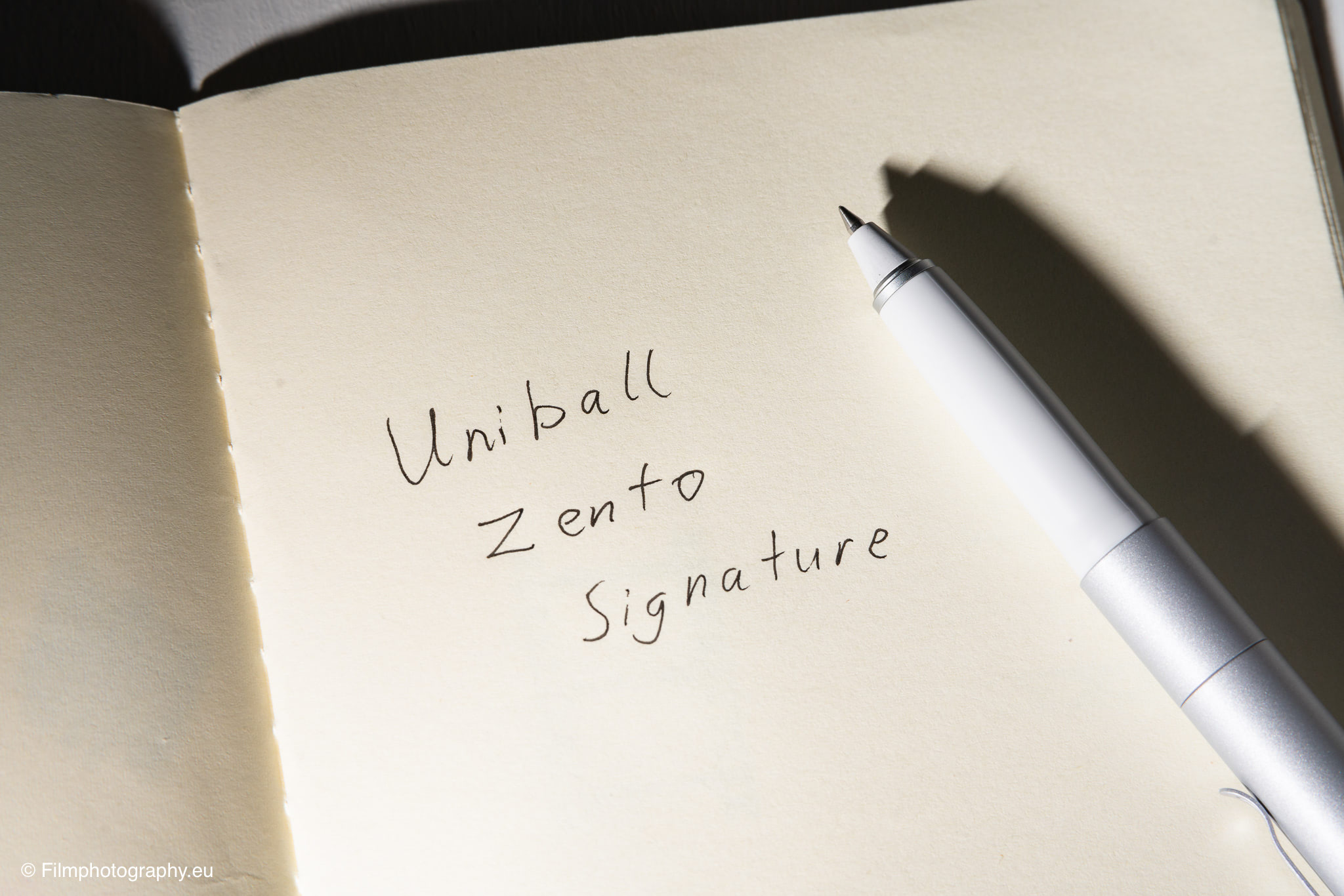
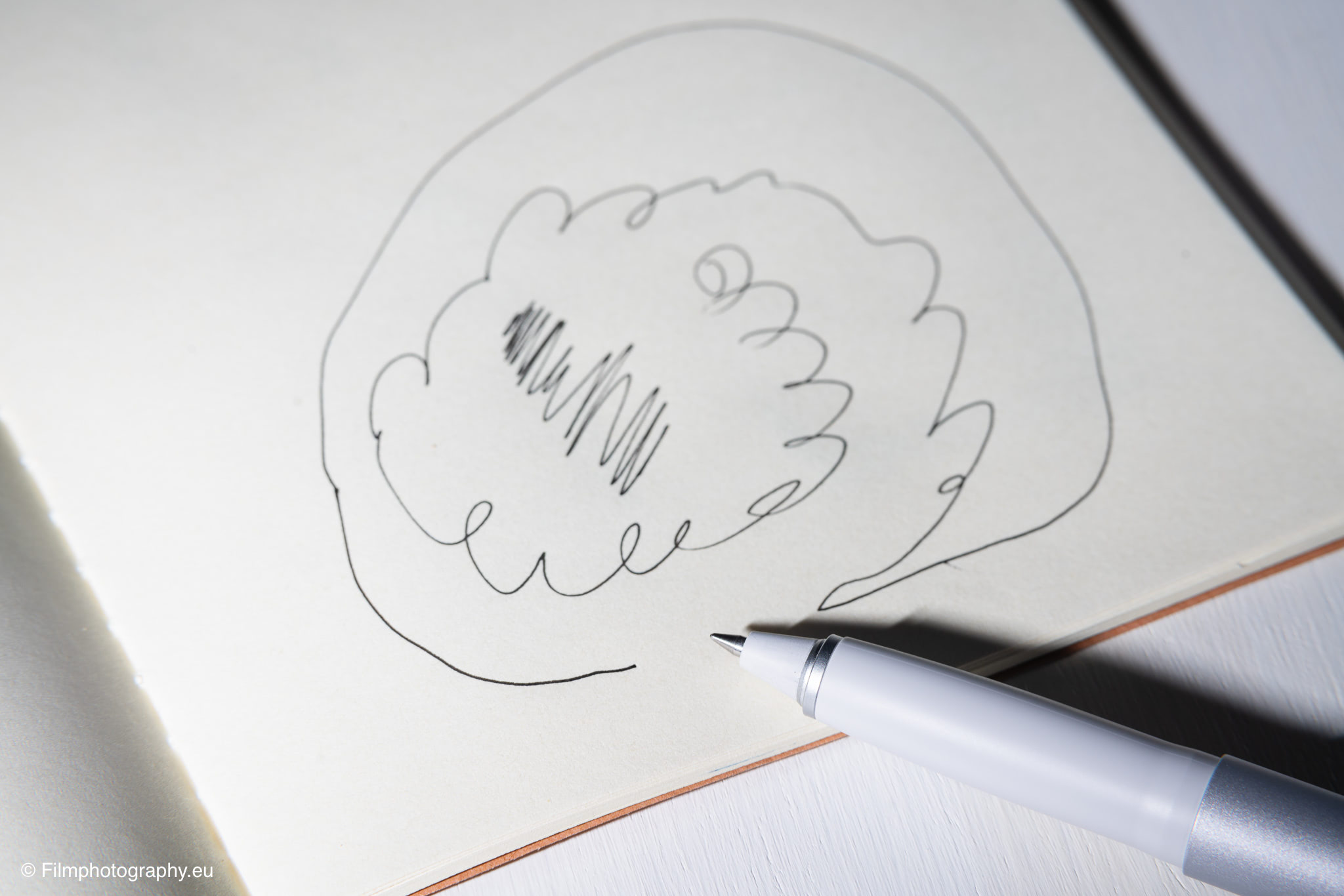
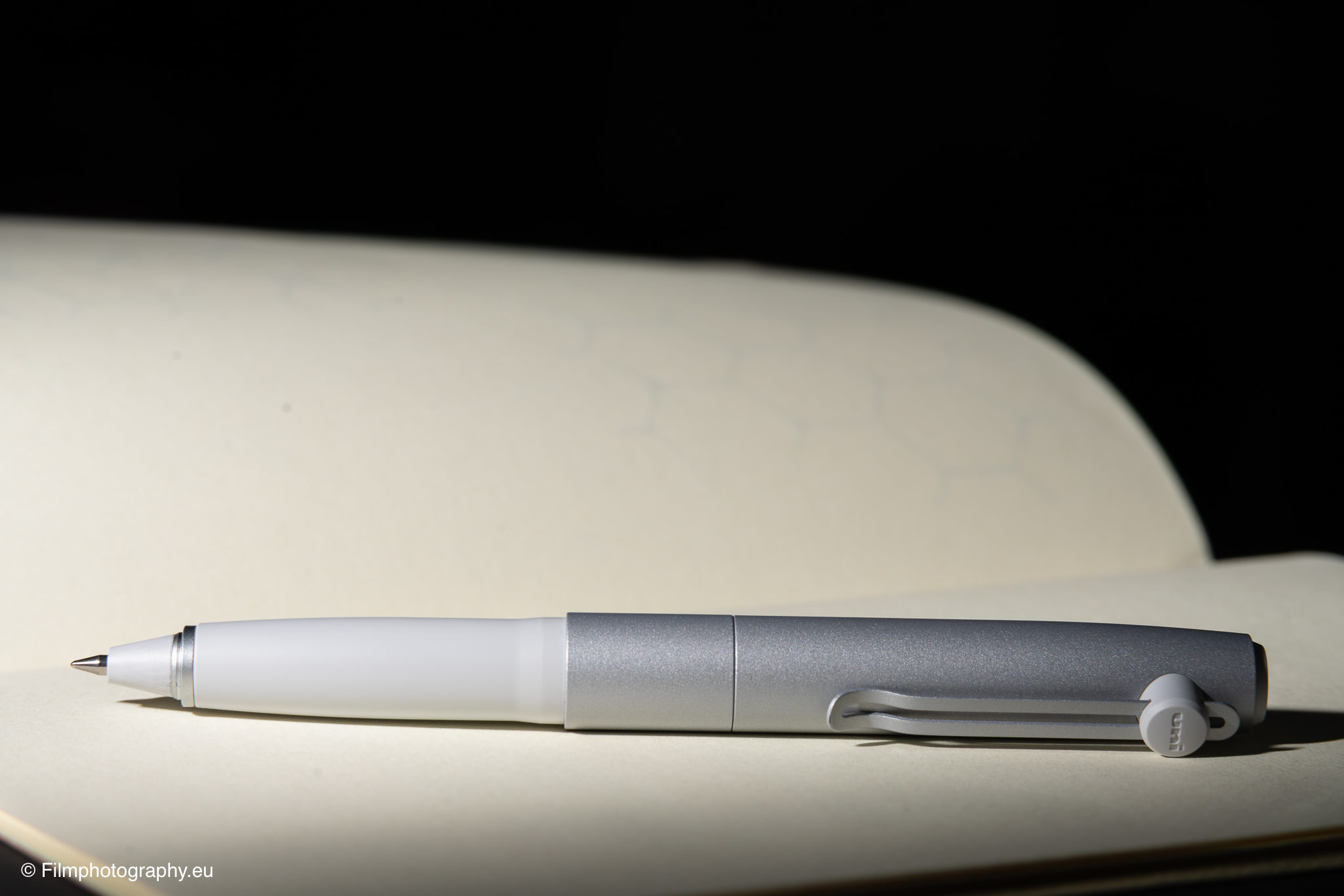
Furthermore, the engineers use so-called "Attraction Particles" in the pigmentation. These ensure that the ink does not bleed into the paper fibers, but remains precisely in place. The result is lines of absolute clarity. Whether in the fine 0.38 mm variant in the silver body or the slightly bolder 0.5 mm tip in the black barrel. The refills can be used in both bodies.
In the earliest texts, such as the Tosa Diary from the year 934, sensitivity to the fine tones of life was highly valued. It was said there that Japanese poetry takes a single, deeply felt emotion as its seed.
When you write with the Zento Signature, you feel strangely close to this tradition. The low center of gravity and the matte texture of the grip area offer exactly the hold you need to compose longer passages without fatigue.
It may sound profane to link a modern high-tech writing instrument with the aesthetics of the ancient Heian-period court life, but the principle remains the same. Whether in photography or writing: The essence of Mono no Aware lies in being sensitive and attentive to subtle emotional shifts.
Technology continues to evolve, tools change, and the pace of the world accelerates relentlessly. But the most important part of art and human expression has not changed.
We are still searching for ways to make the unsayable sayable and to preserve the fleeting beauty of the transient. Mono no Aware reminds us that we should not judge, but feel.
And when we want to put this feeling down on paper, the Uniball Zento Signature proves to be a good companion. It helps us create art that feels authentic, written with an ink that dries, yet preserves the moisture of emotion.