Anyone who photographs while traveling often searches a long time for a companion that protects the camera without looking like bulky expedition gear. On a multi-week trip through Asia, the PGYTECH OneGo Lite with 16 liters of capacity got to accompany me. How did the backpack perform?
The PGYTECH OneGo Lite is offered in several sizes. Besides a very compact 12-liter version and a roomier 22-liter model, there is also the 16-liter middle size tested here. In terms of color, alongside plain black and a dark forest green, a light cream version is available.
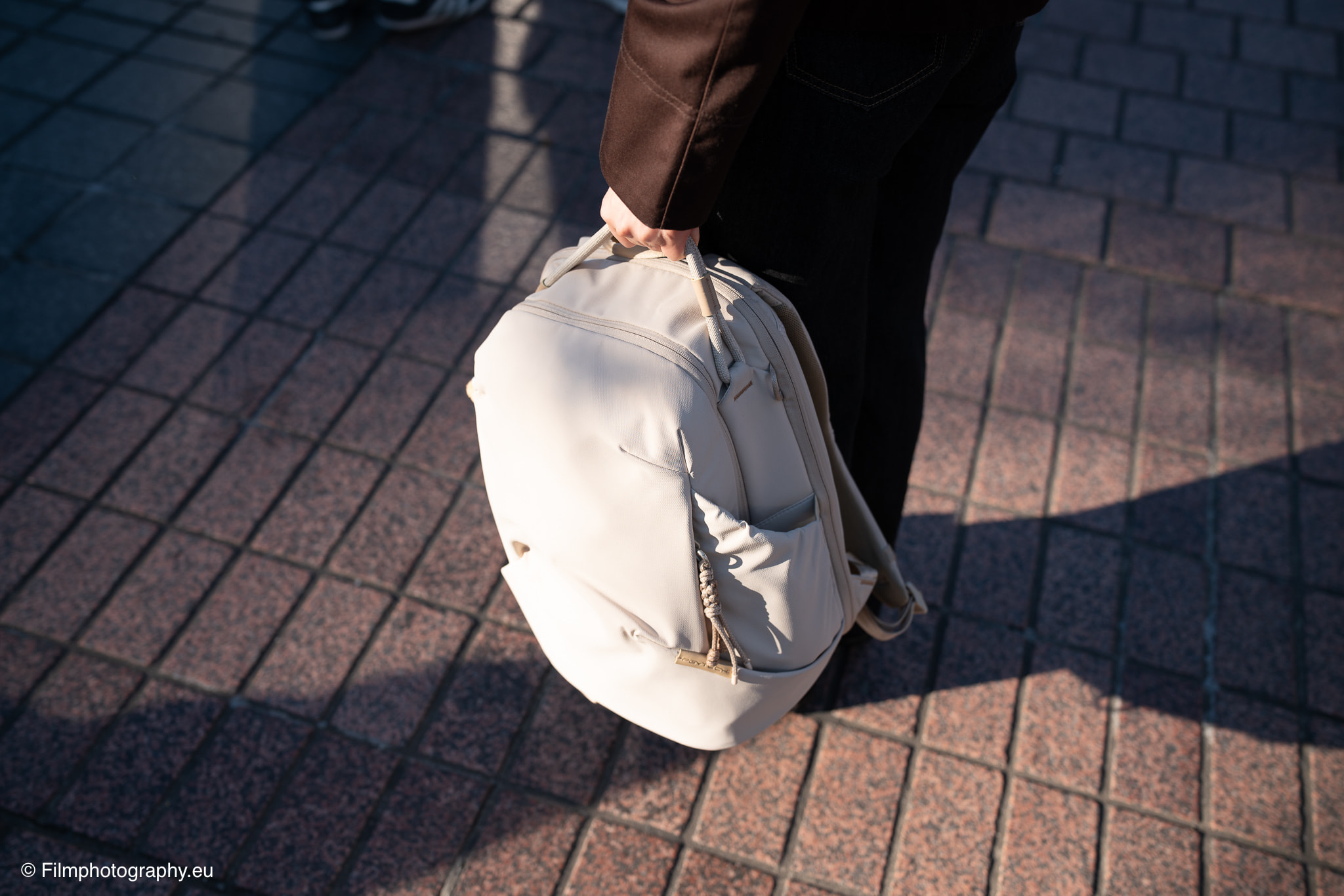
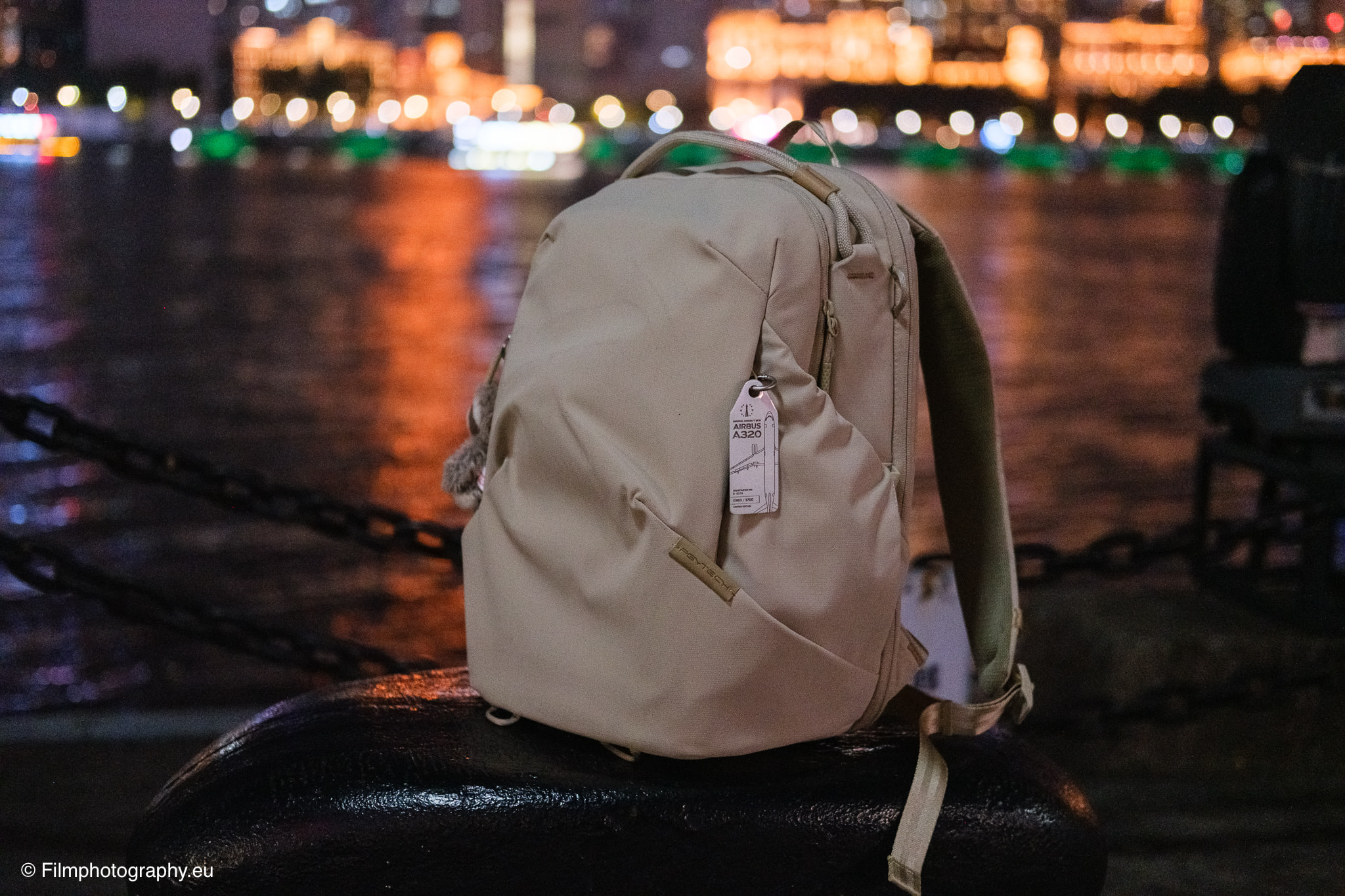
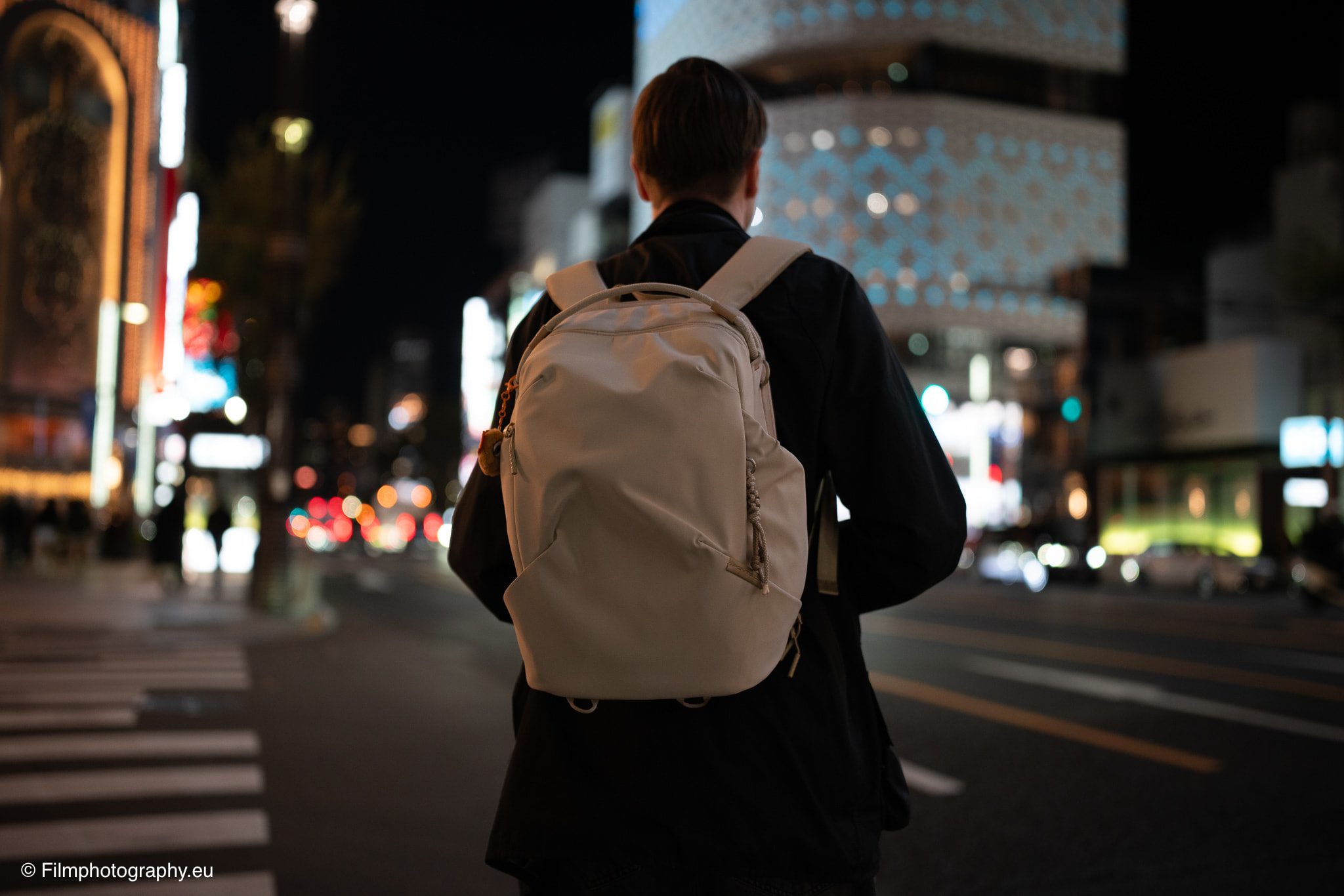
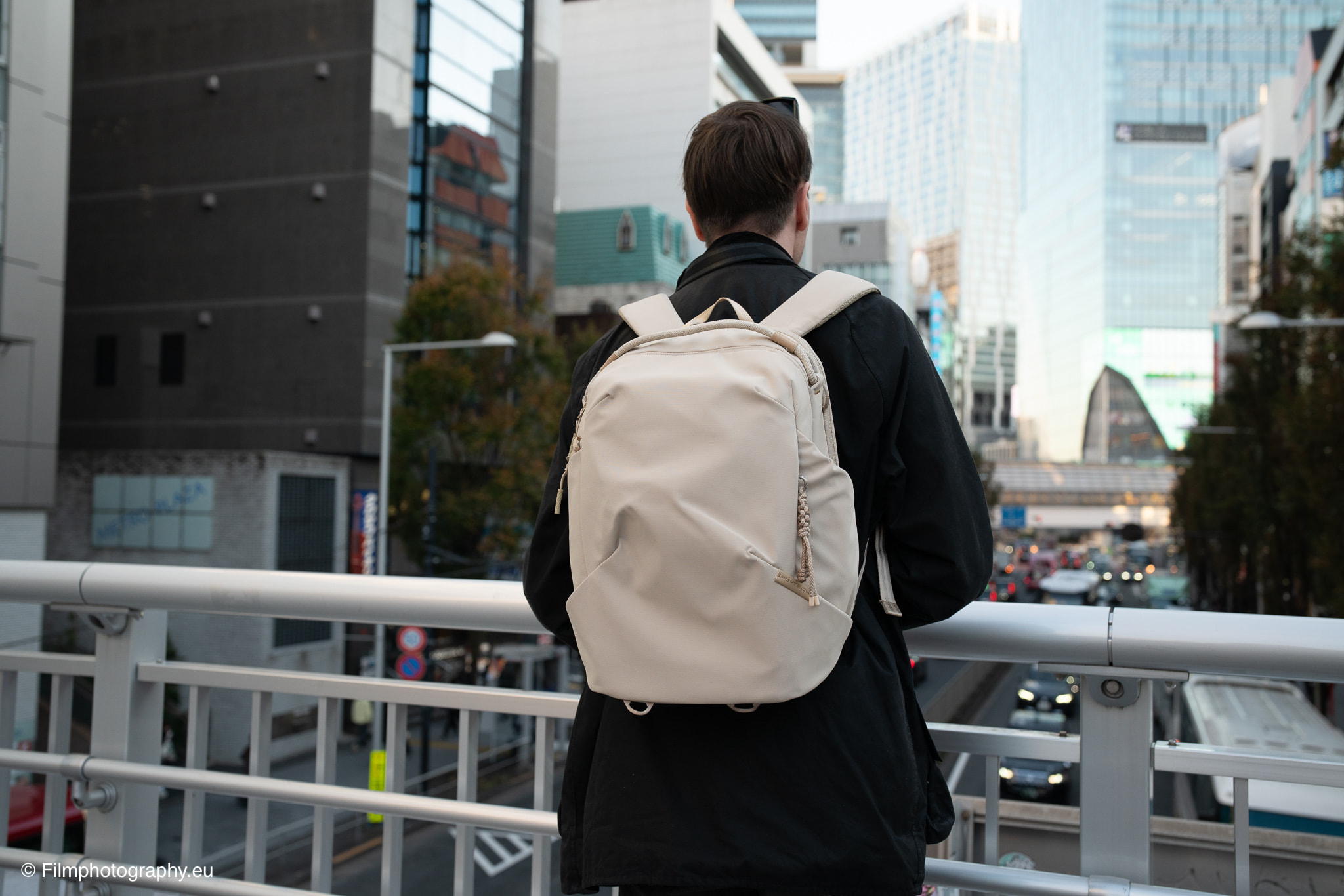
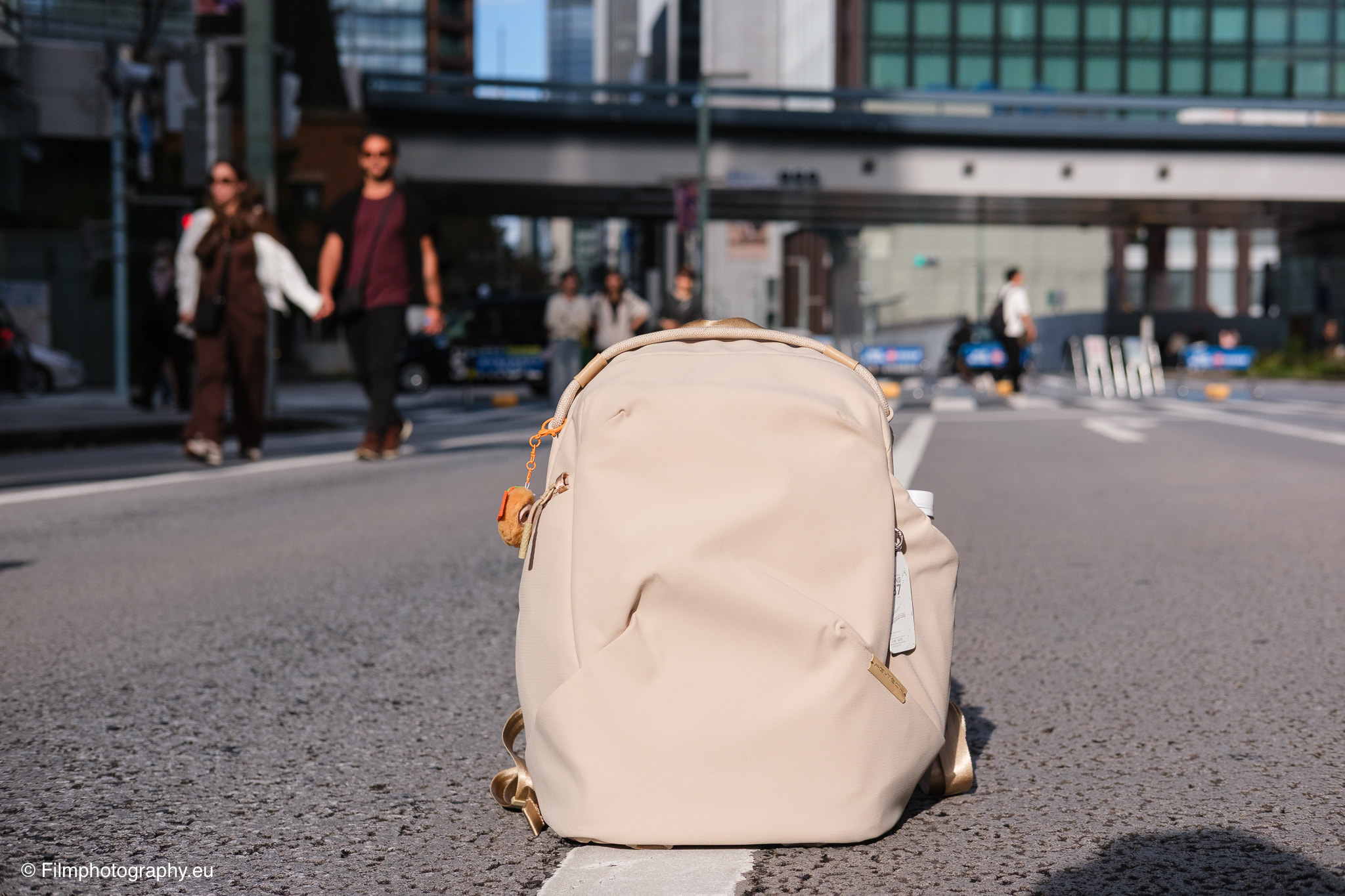
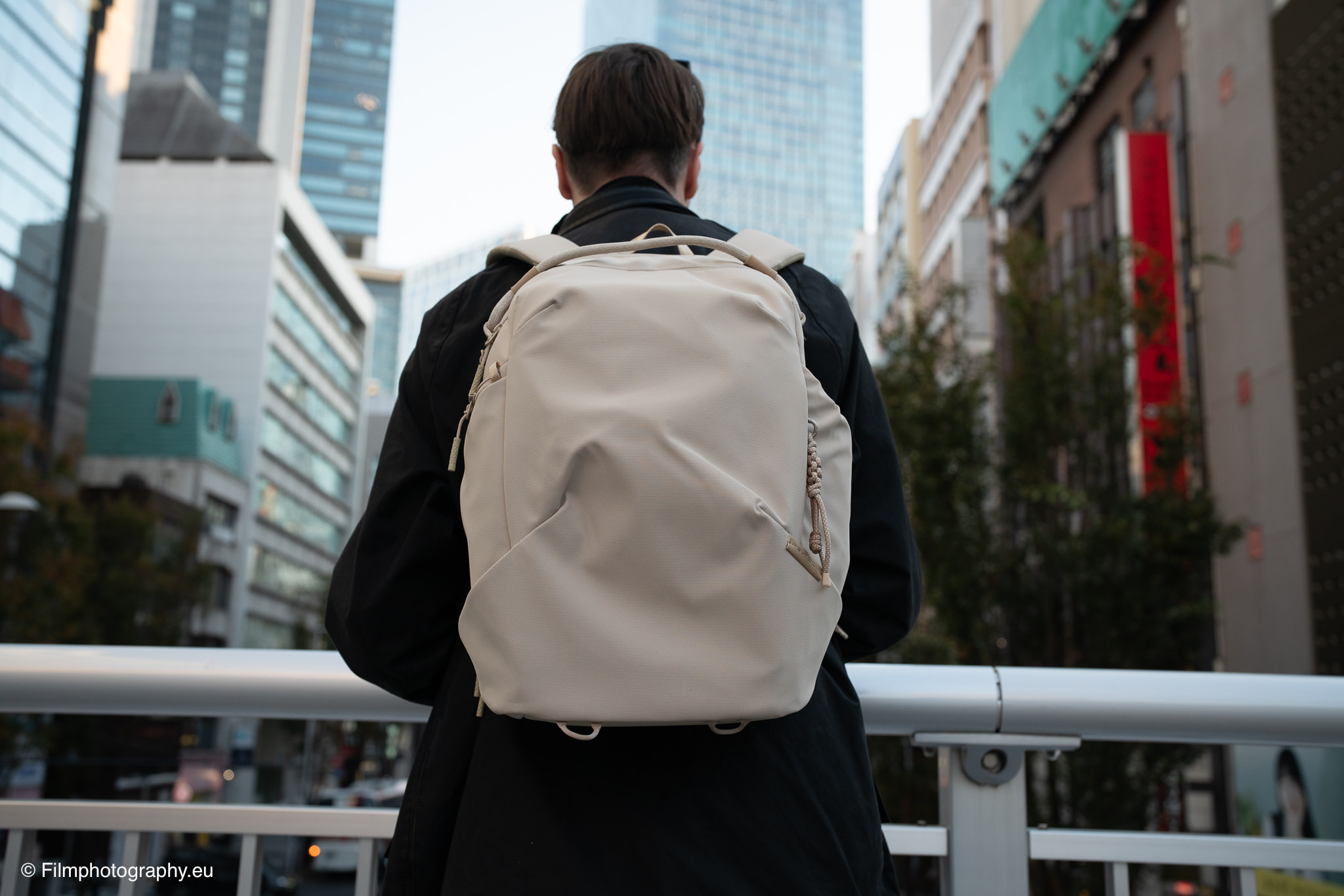
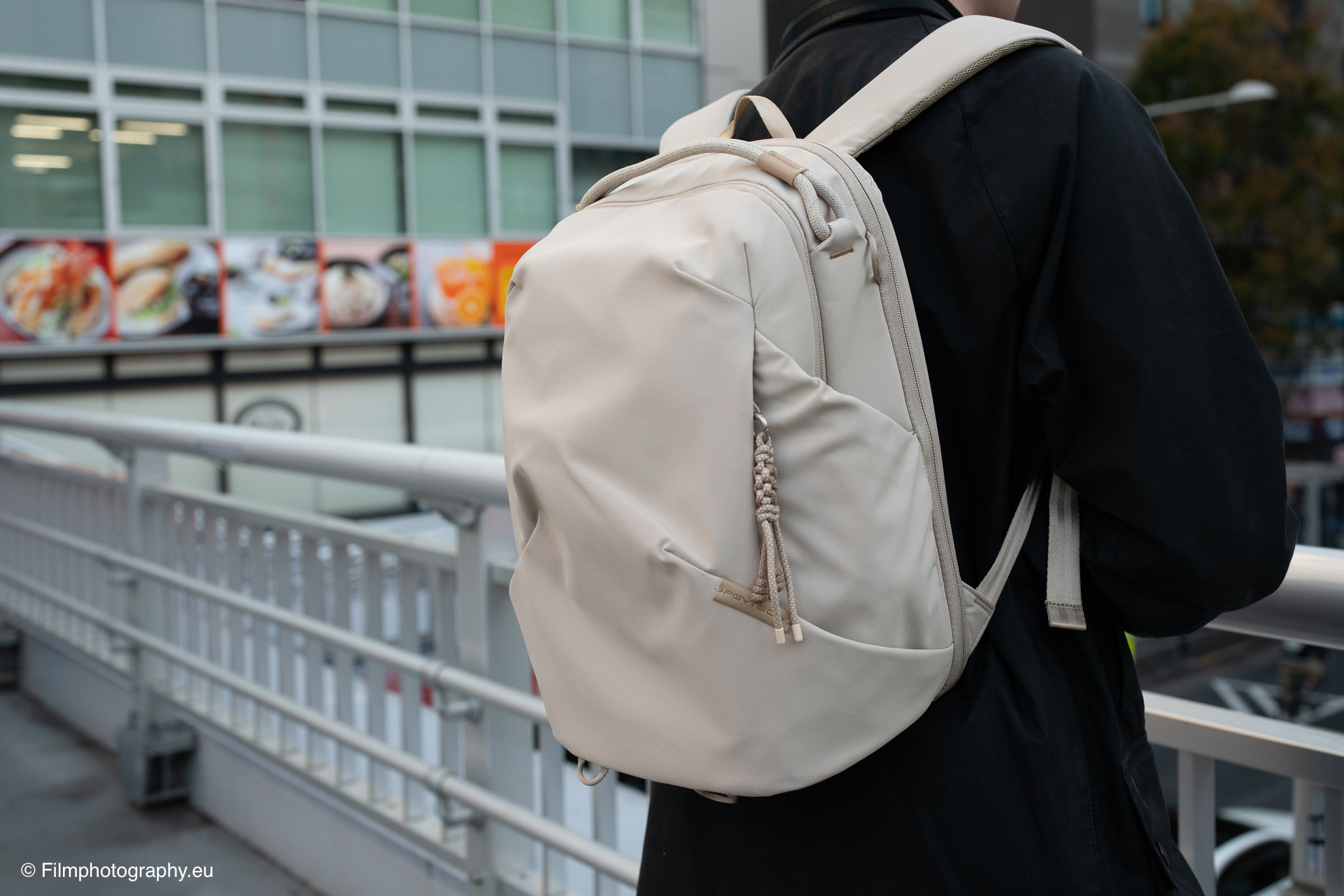
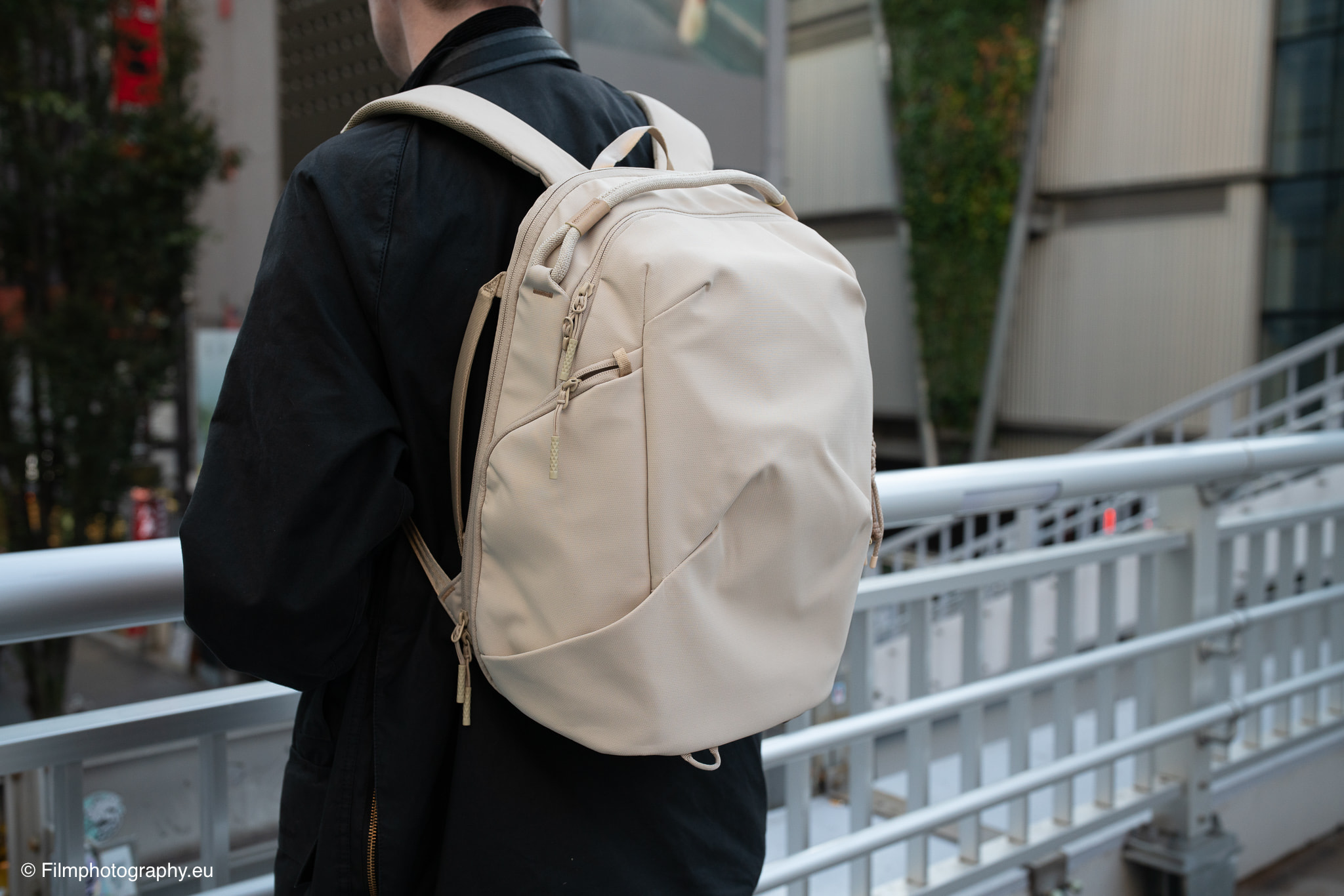
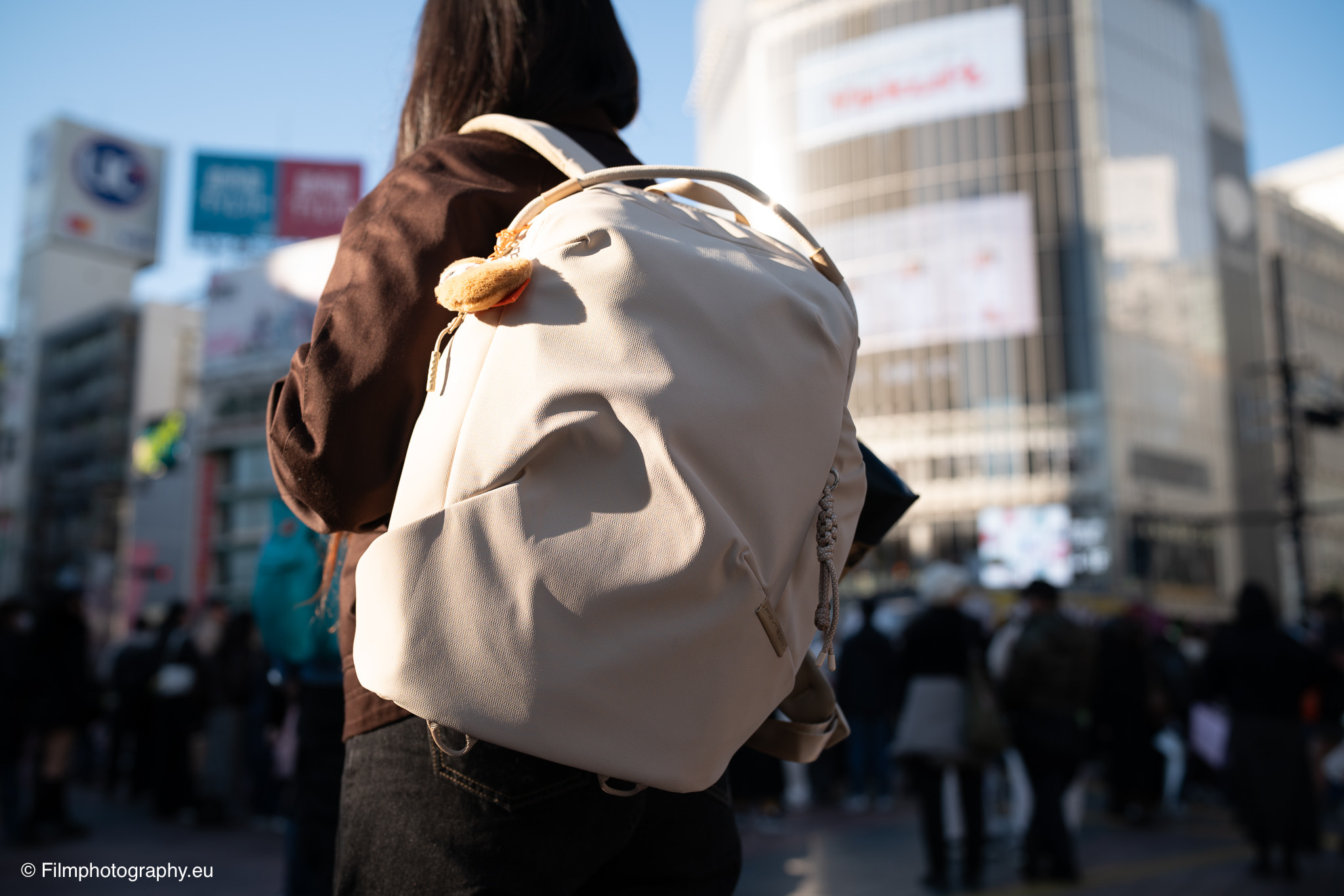
This light shade was the one that came along on the trip, as it looks refreshingly understated and stands out pleasantly from the typical blackness of classic camera bags. The design blends harmoniously into any setting without immediately revealing the expensive gear inside to curious eyes. The branding is also rather discreet.
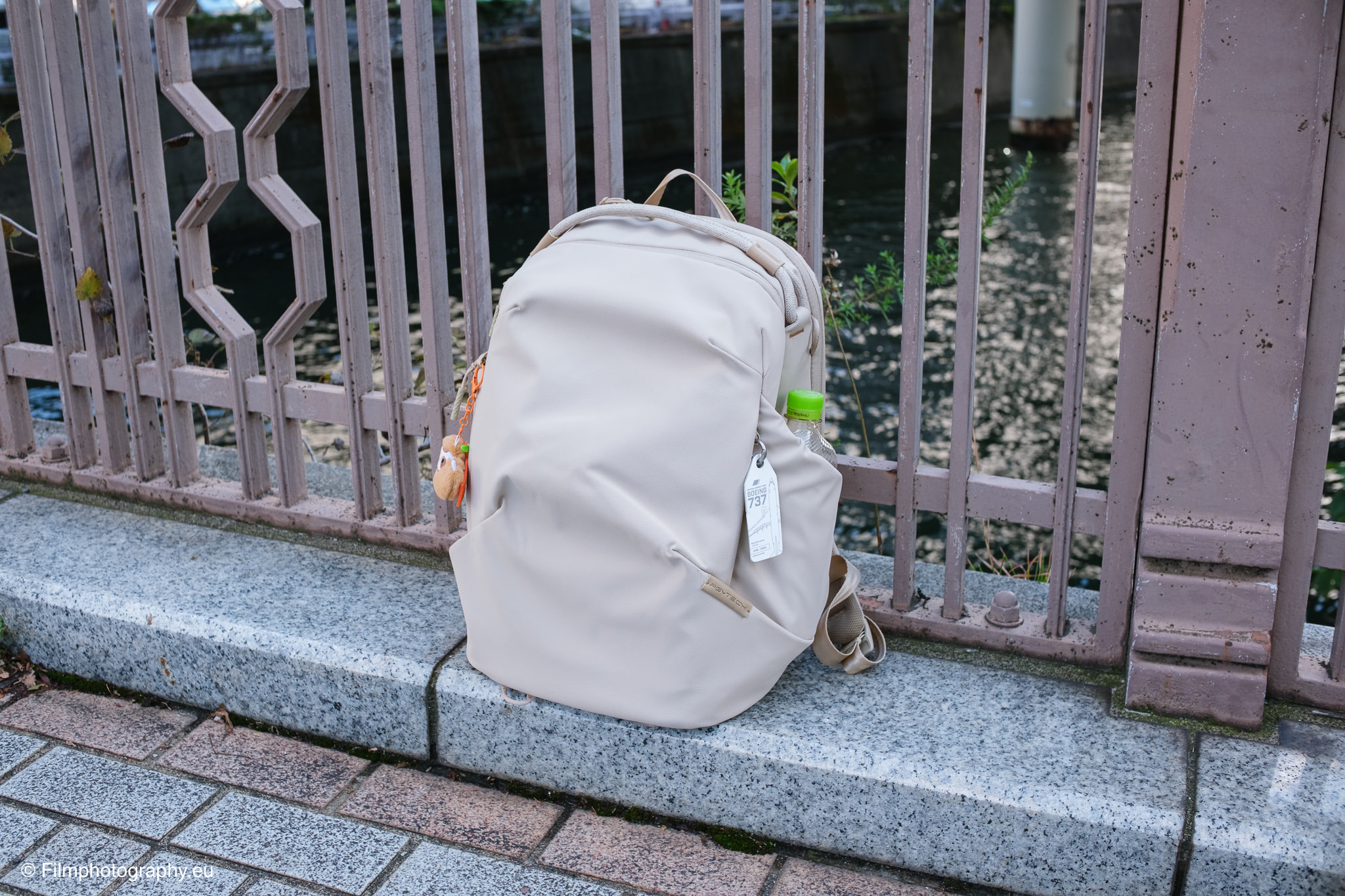
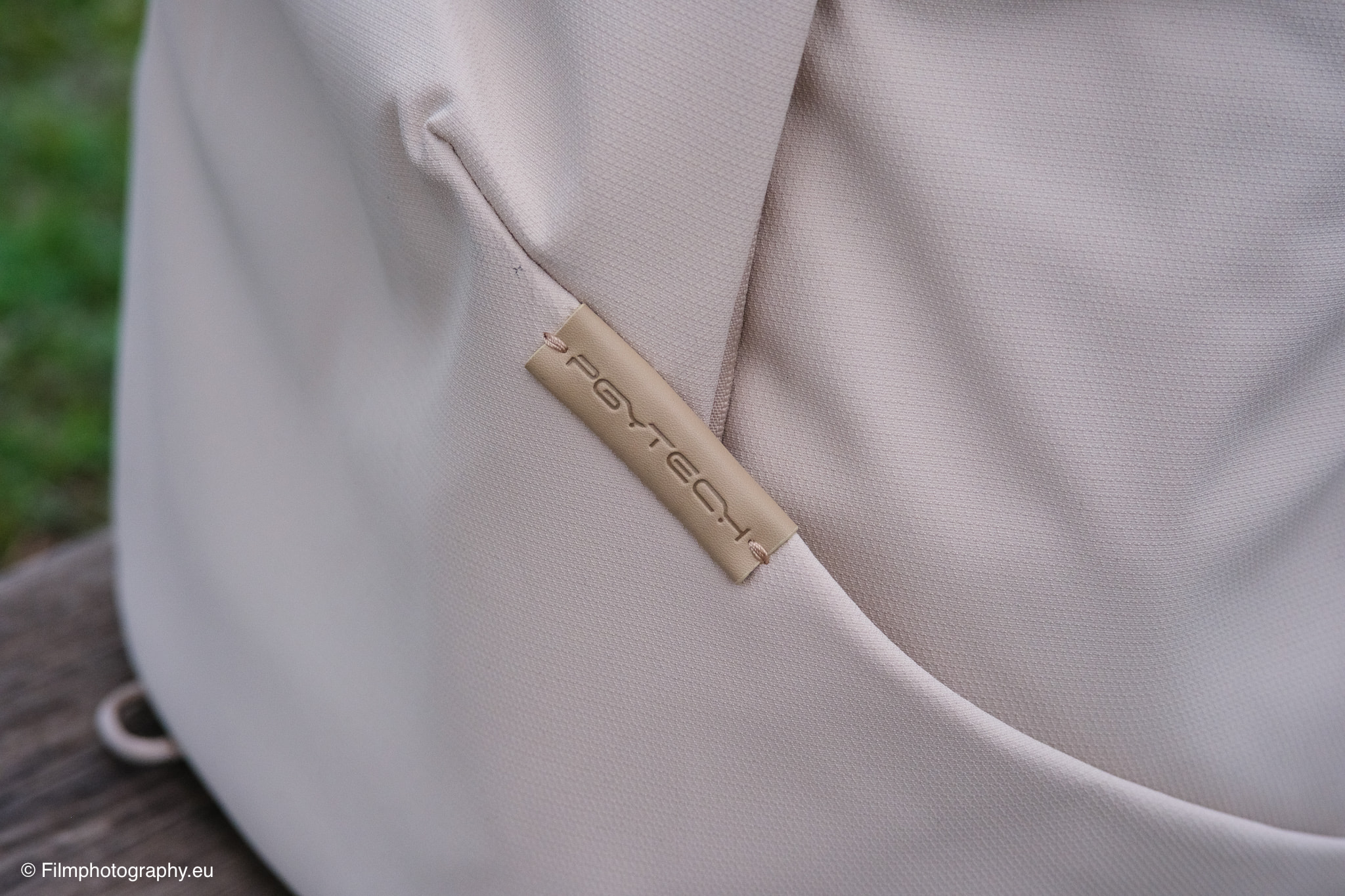
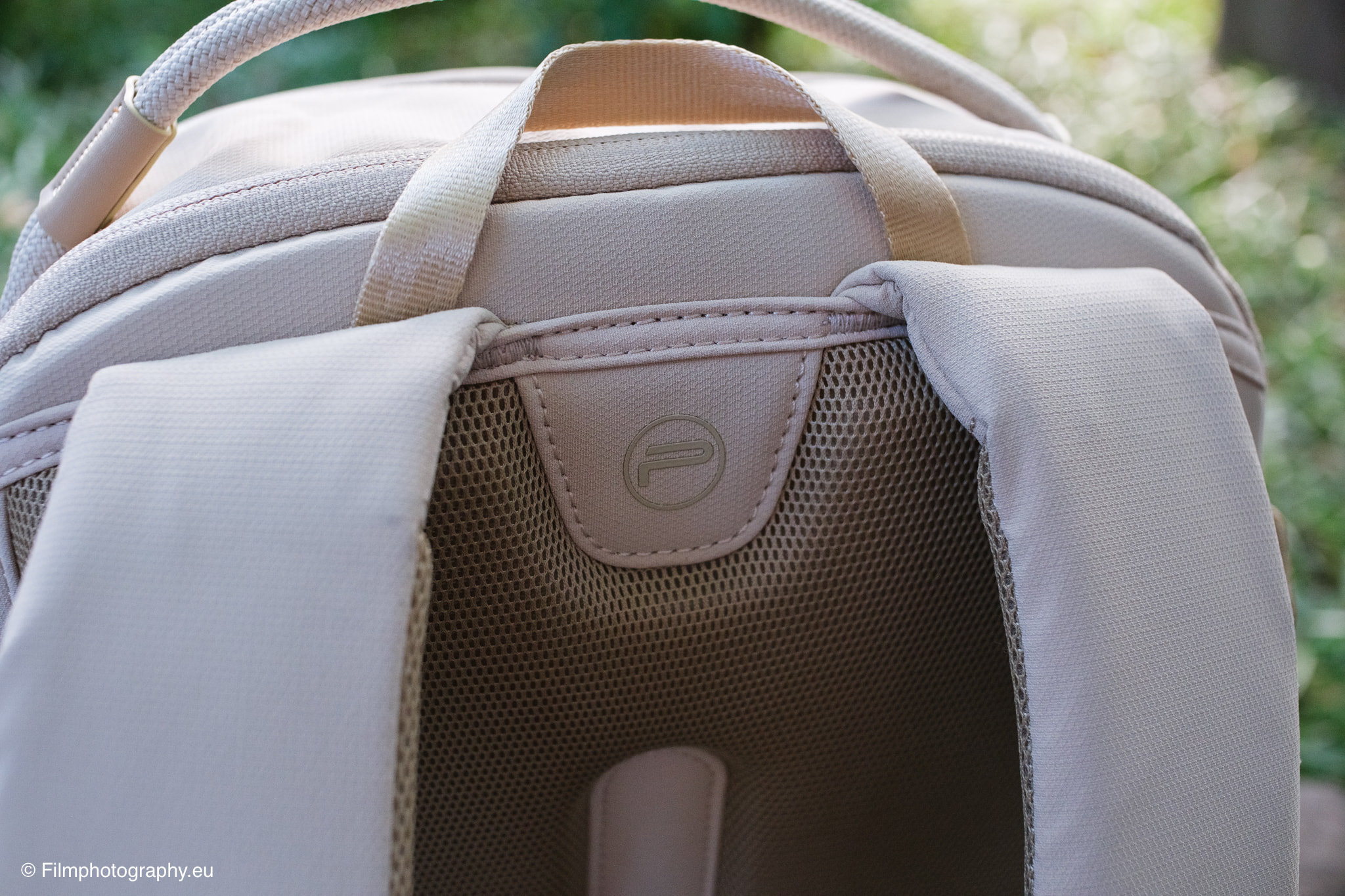
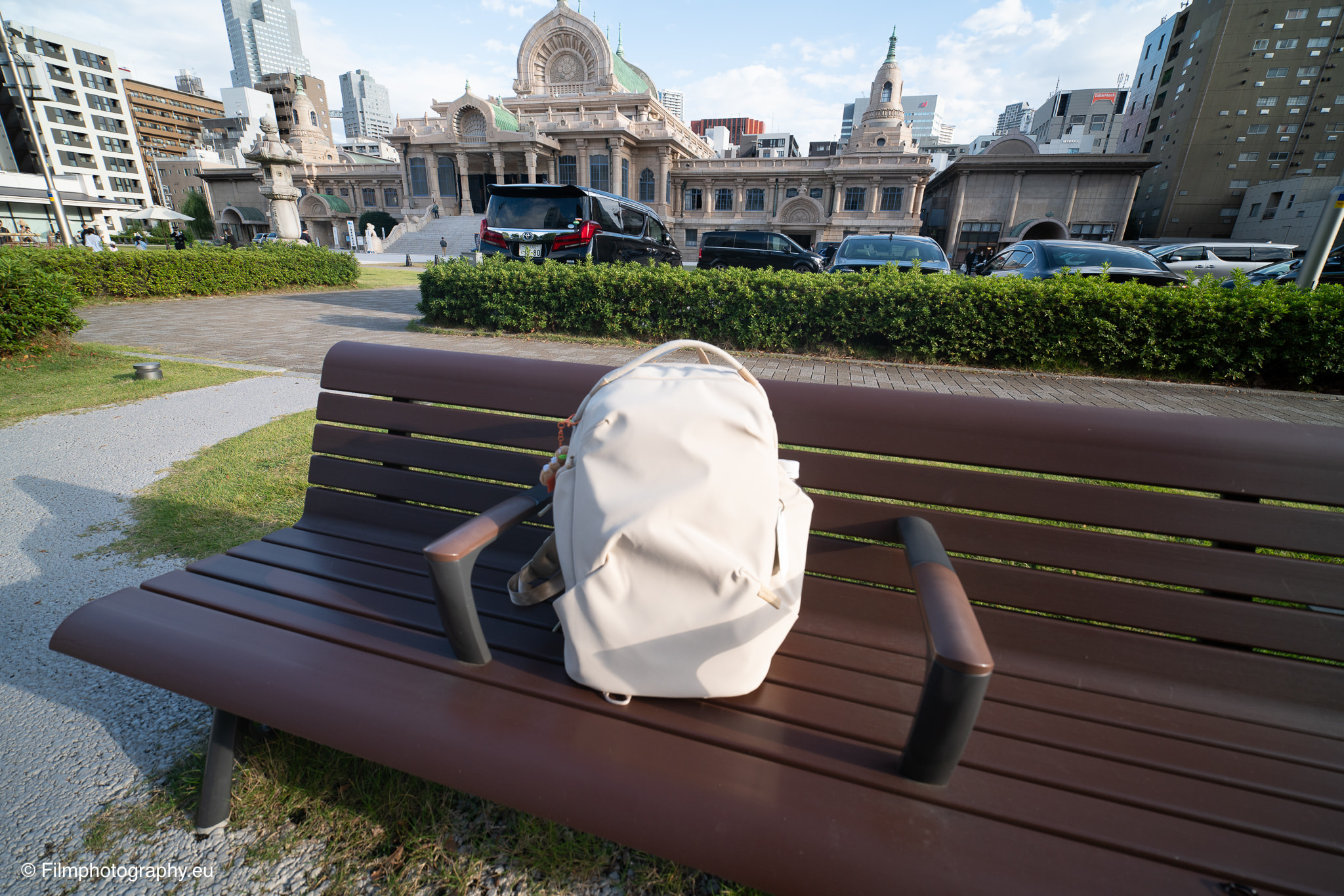
With its external dimensions of 41.5 cm in height, 31 cm in width and 18 cm in depth, the 16-liter version remains pleasantly compact. The interior measures roughly 40 × 28 × 16 cm. The backpack also holds up well on the scale. With all dividers in place it weighs only about 1.16 kilograms. Removing the dividers for everyday use lowers the weight to roughly 990 grams. A low empty weight is naturally an advantage, especially when traveling.
For both the outer shell and the inner lining, the manufacturer relies entirely on durable polyester. The fabric feels high quality, reliably repels splashes and is resistant to dirt.
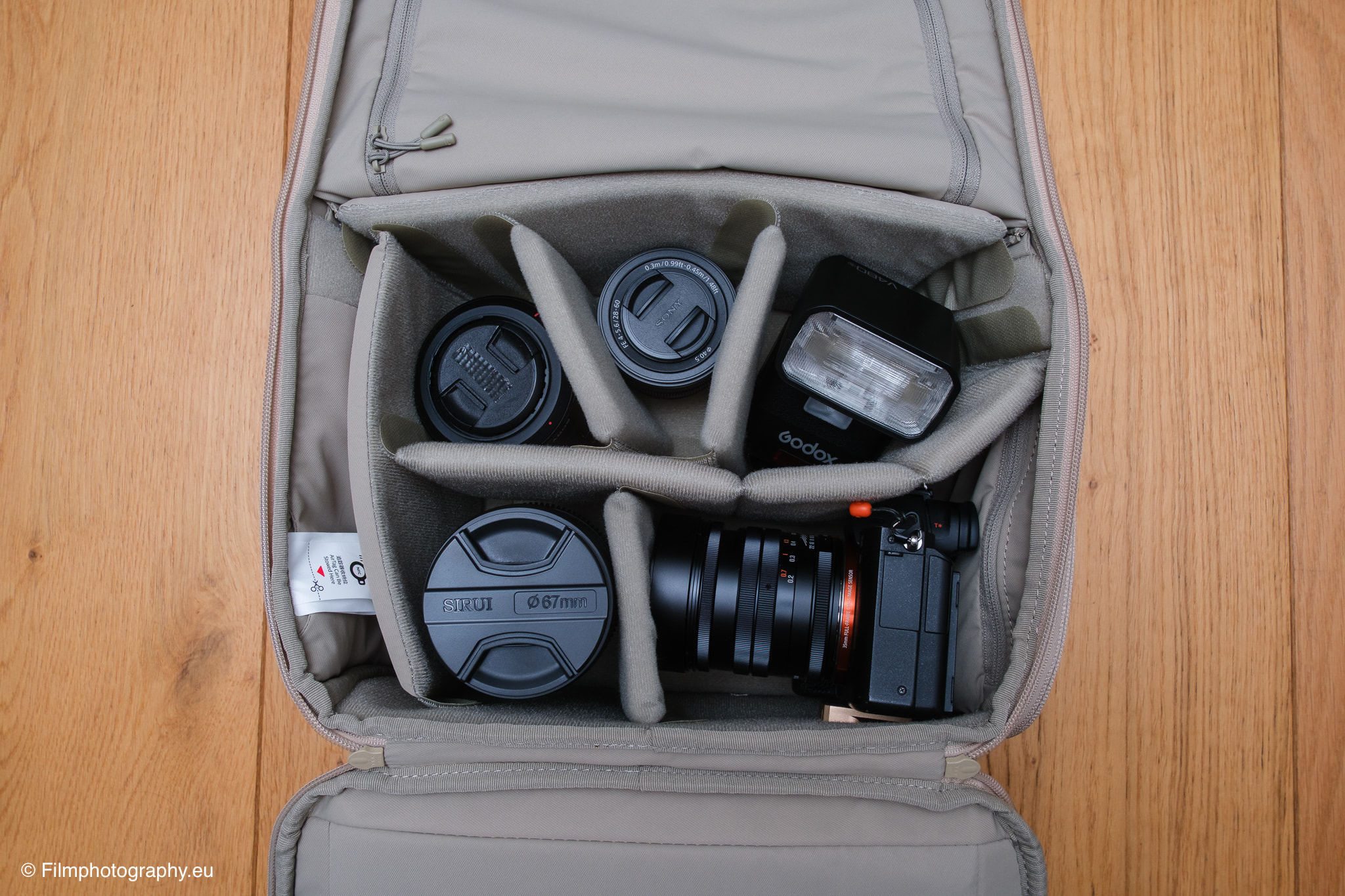
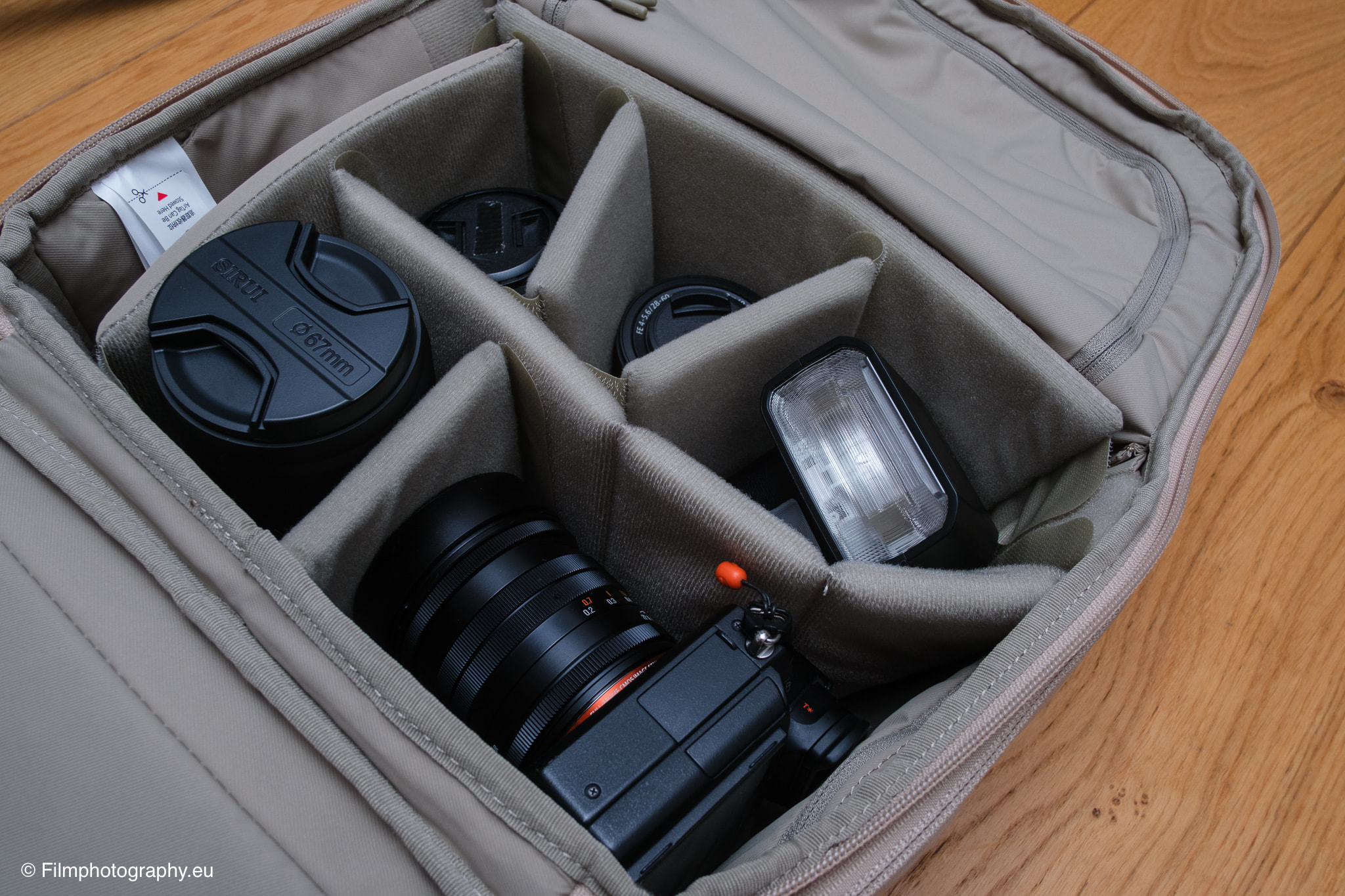
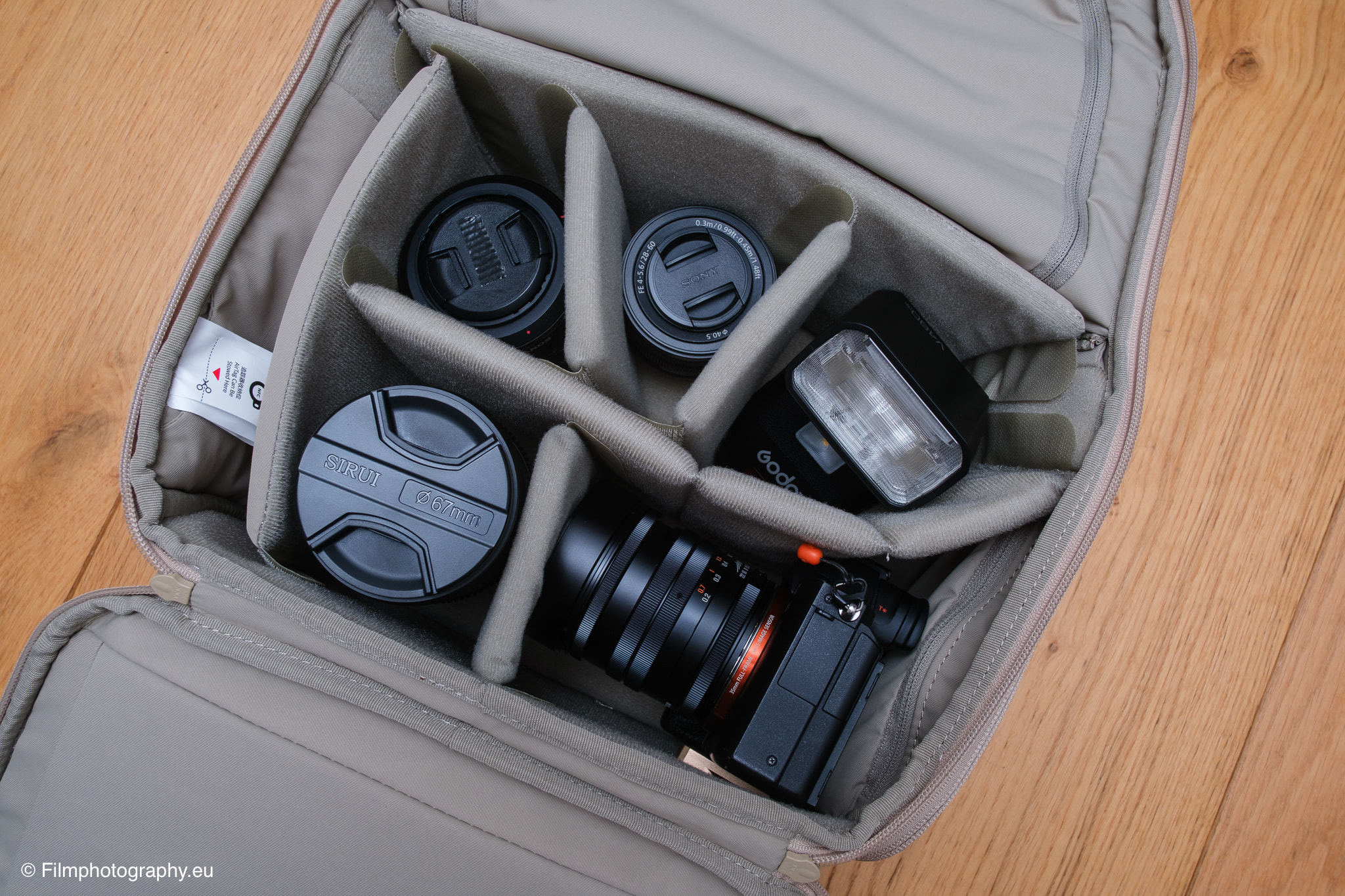
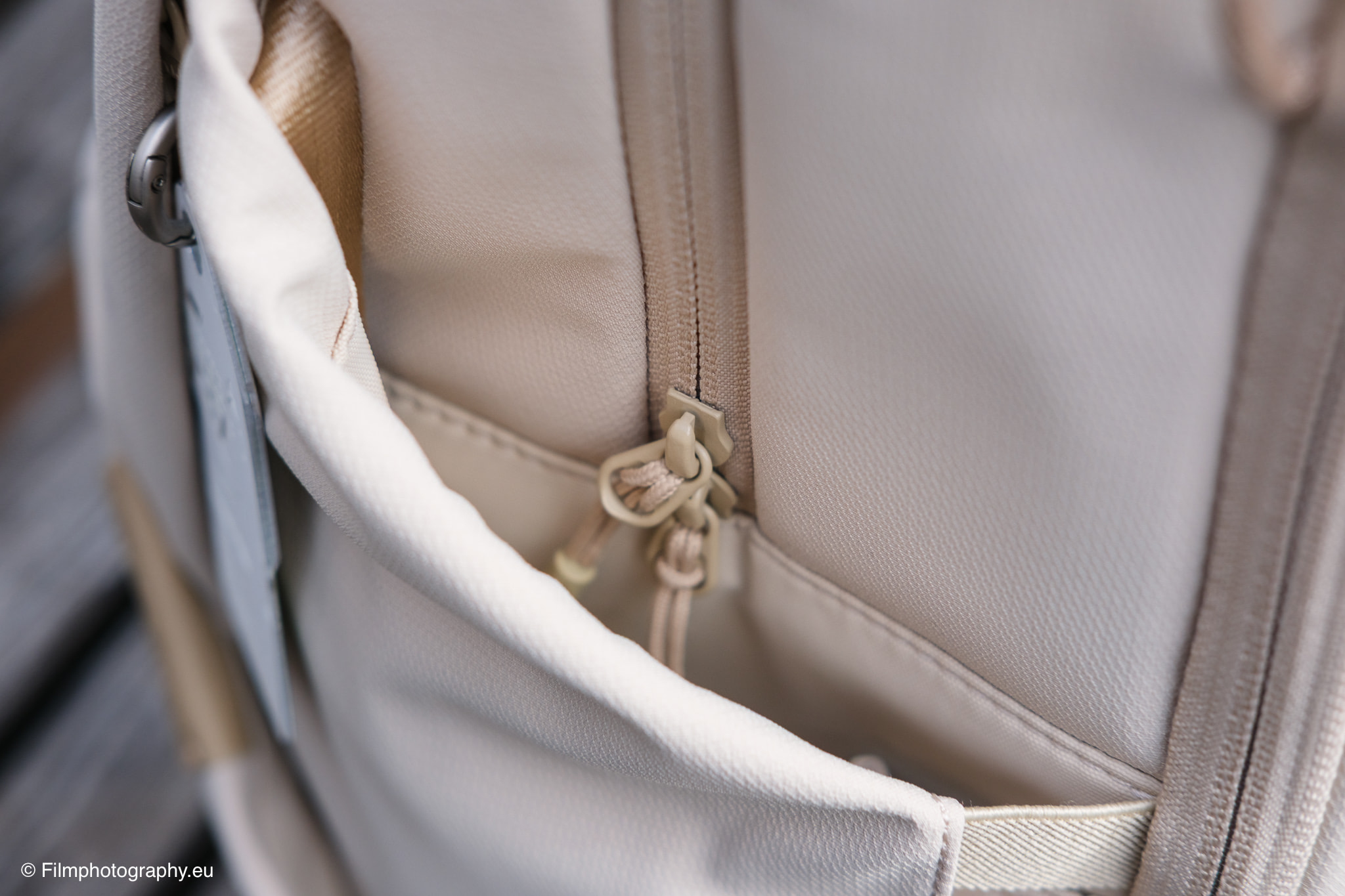
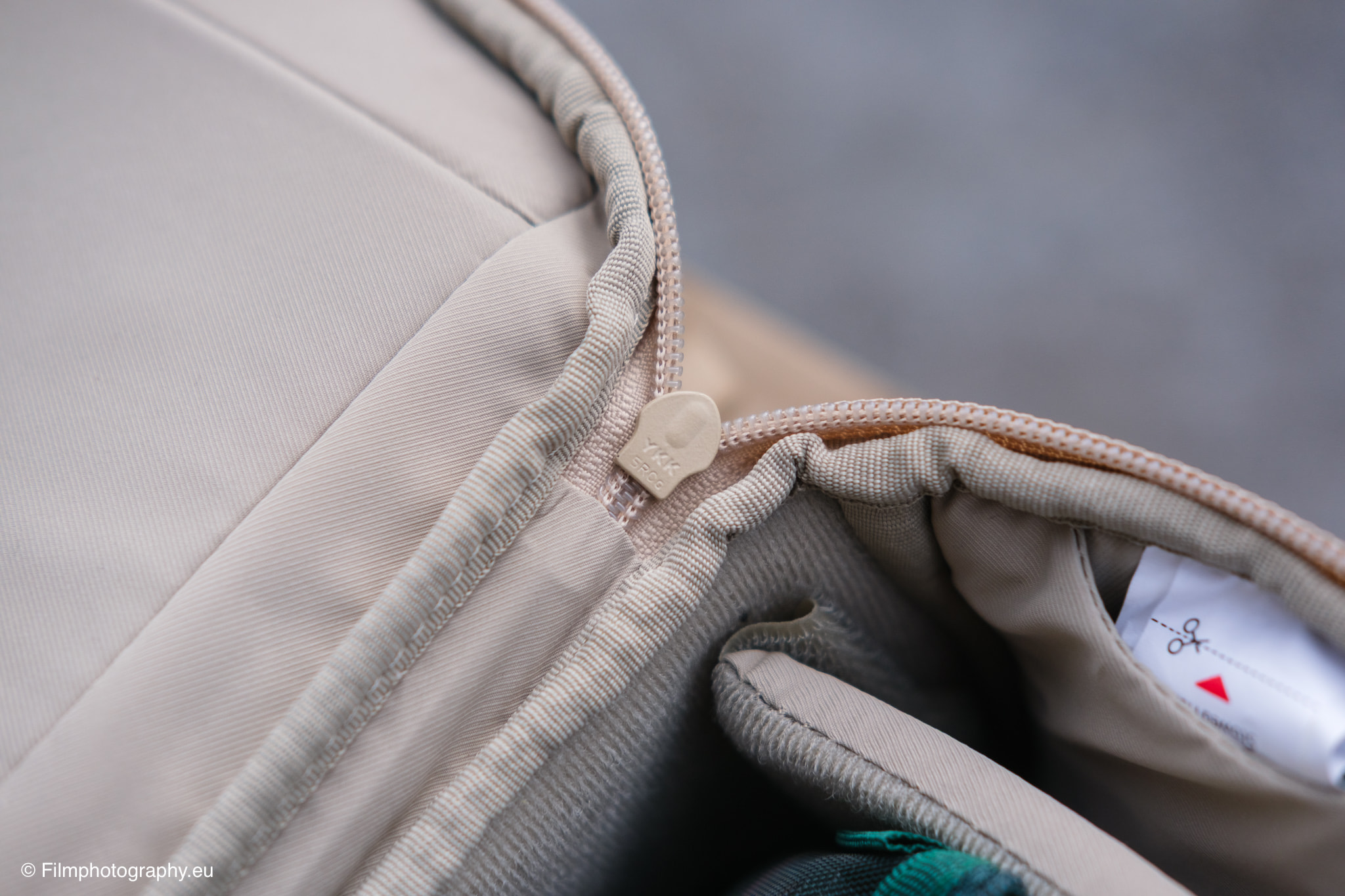
For the zippers, PGYTECH forgoes the stiff, rubberized profiles of the well-known YKK AquaGuard. As a result, the sliders run very smoothly and without the risk of a sealing lip becoming brittle over time. This does mean the zippers are not waterproof. A light shower is no problem thanks to the water-repellent fabric, but in prolonged steady rain you should be careful and, to be safe, pull a separate rain cover over the backpack.
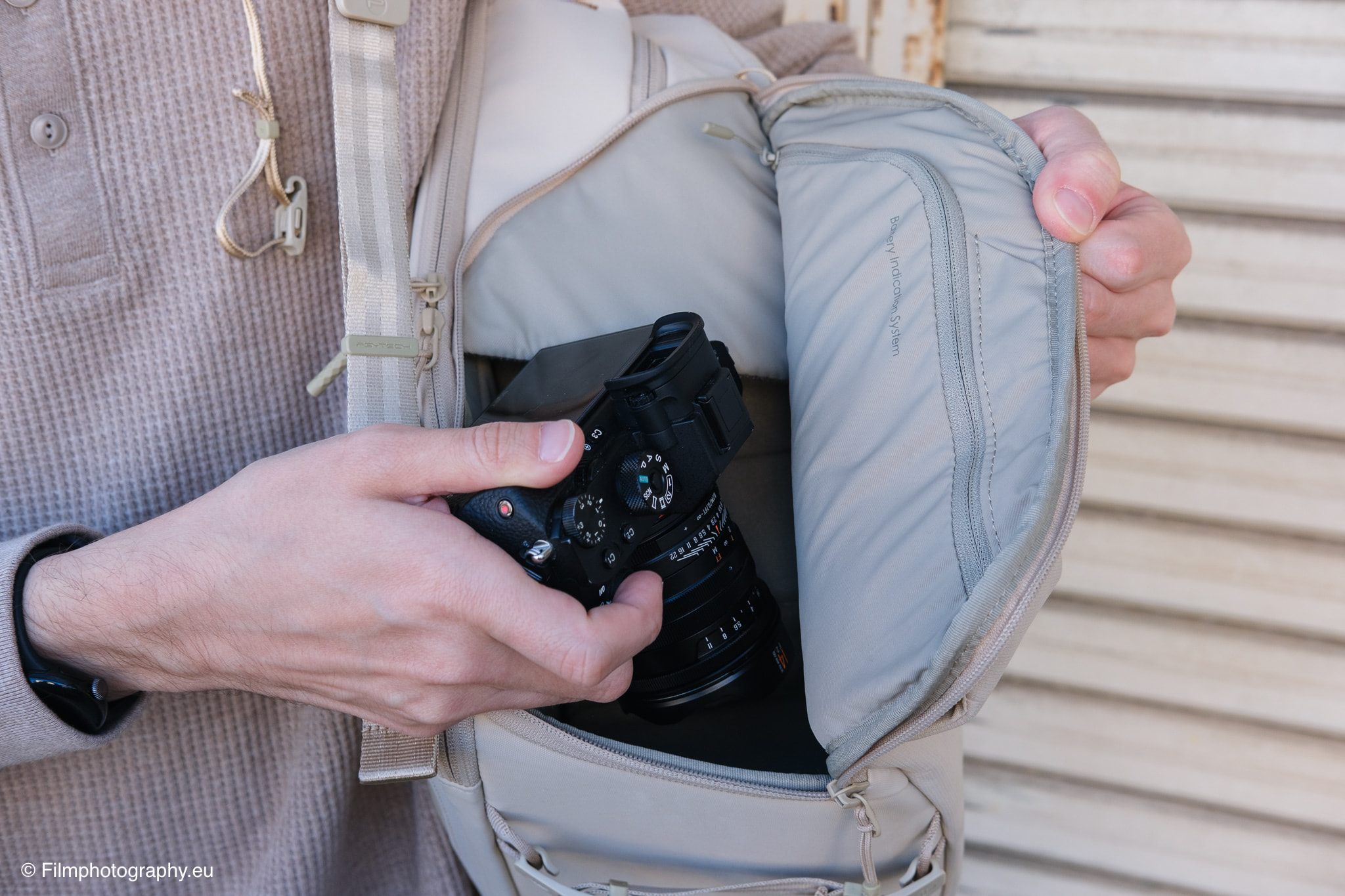
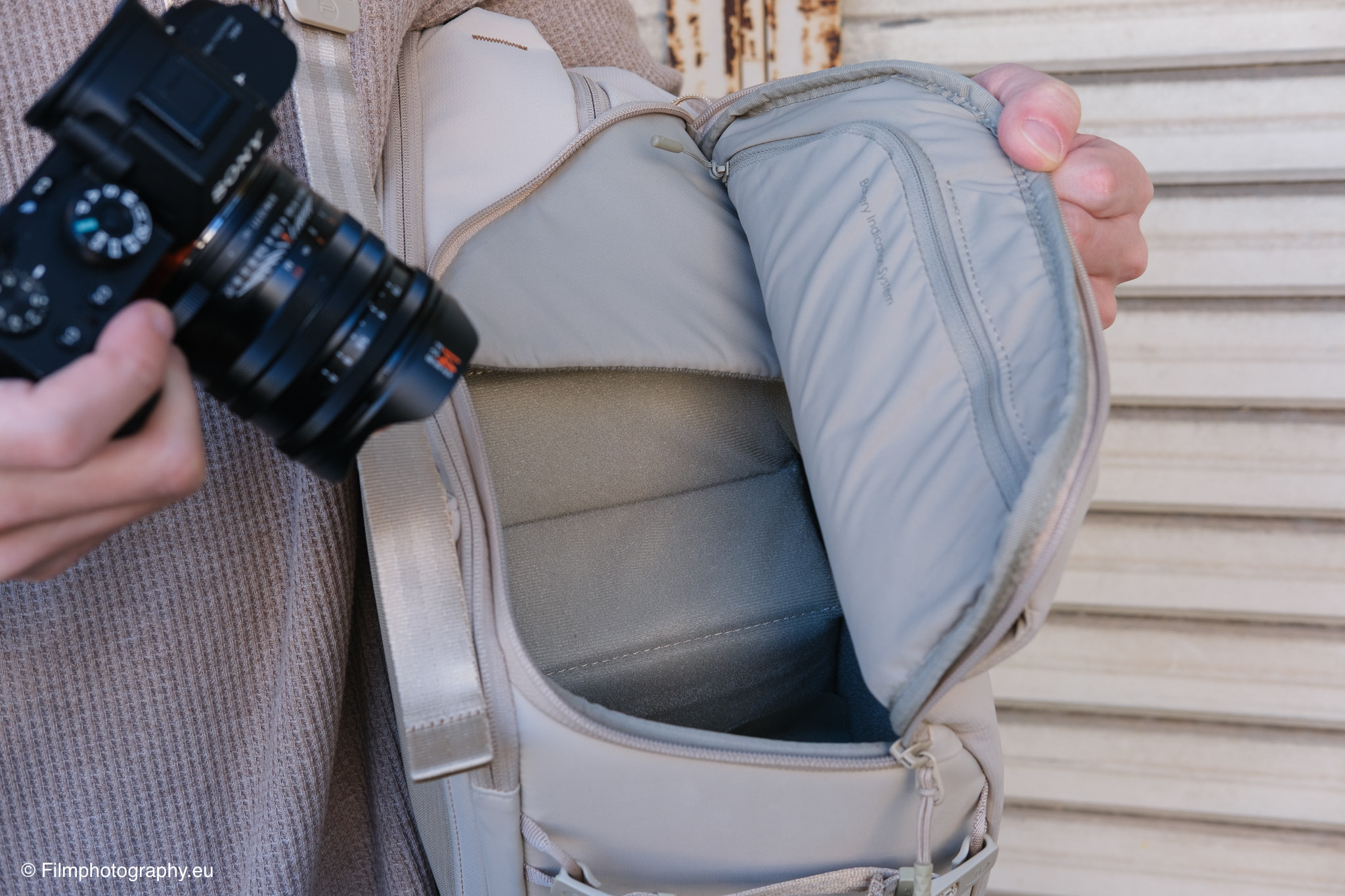
The backpack balances everyday practicality with quick access to camera gear. Especially noteworthy is the ability to open it fully like a suitcase. This clamshell design makes packing remarkably easy and means you never have to fish blindly through the depths of the backpack for equipment.
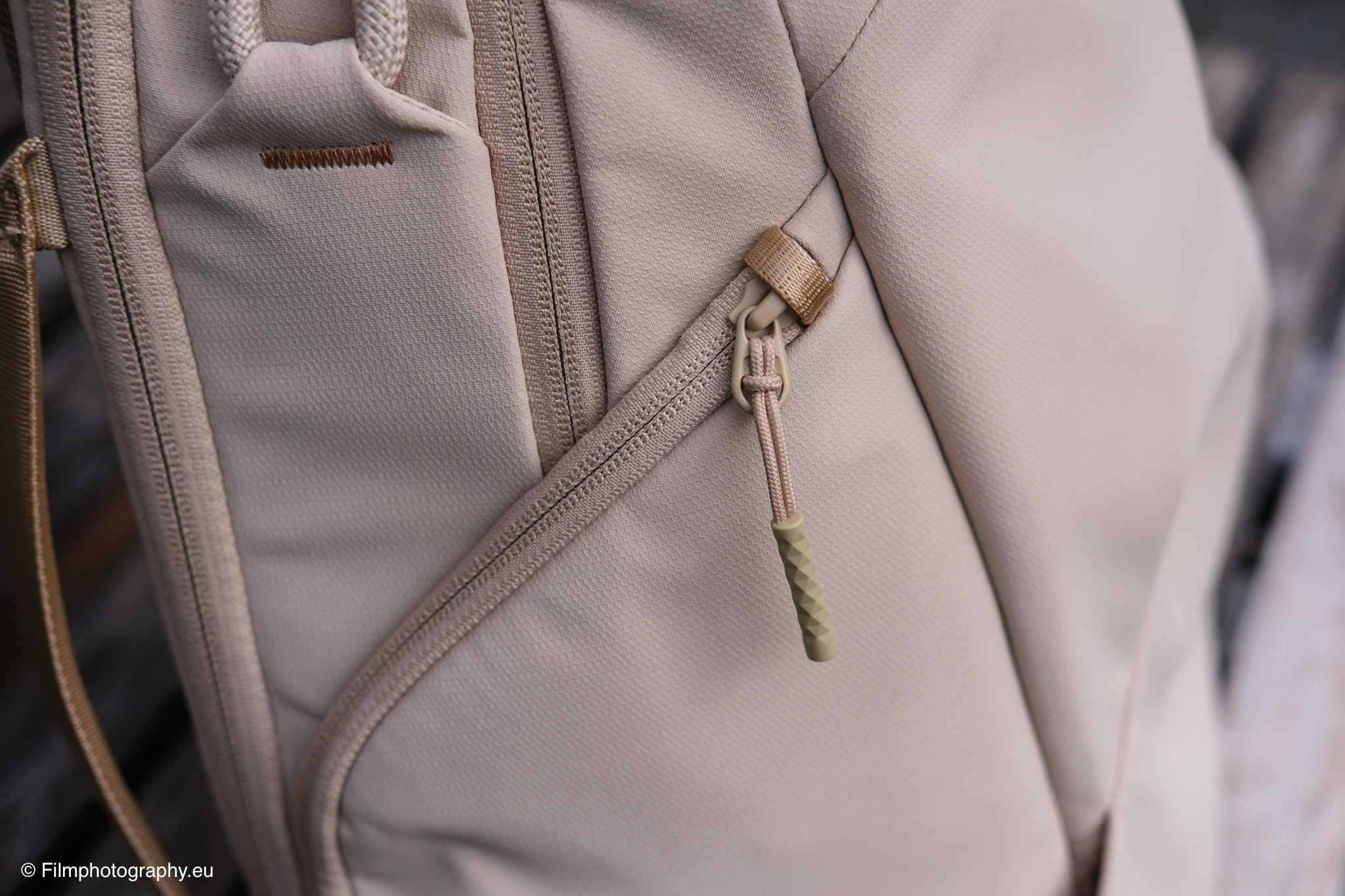
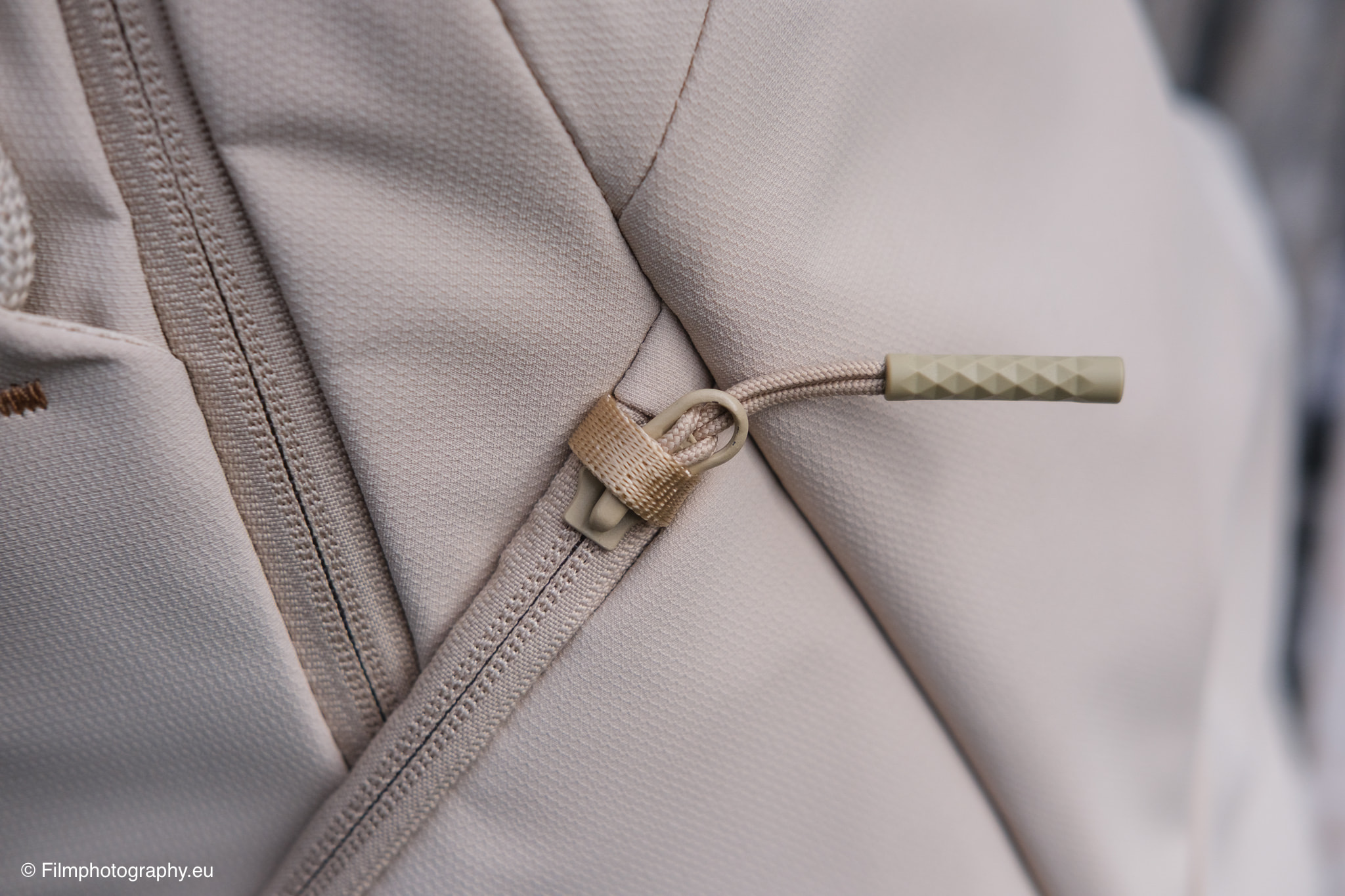
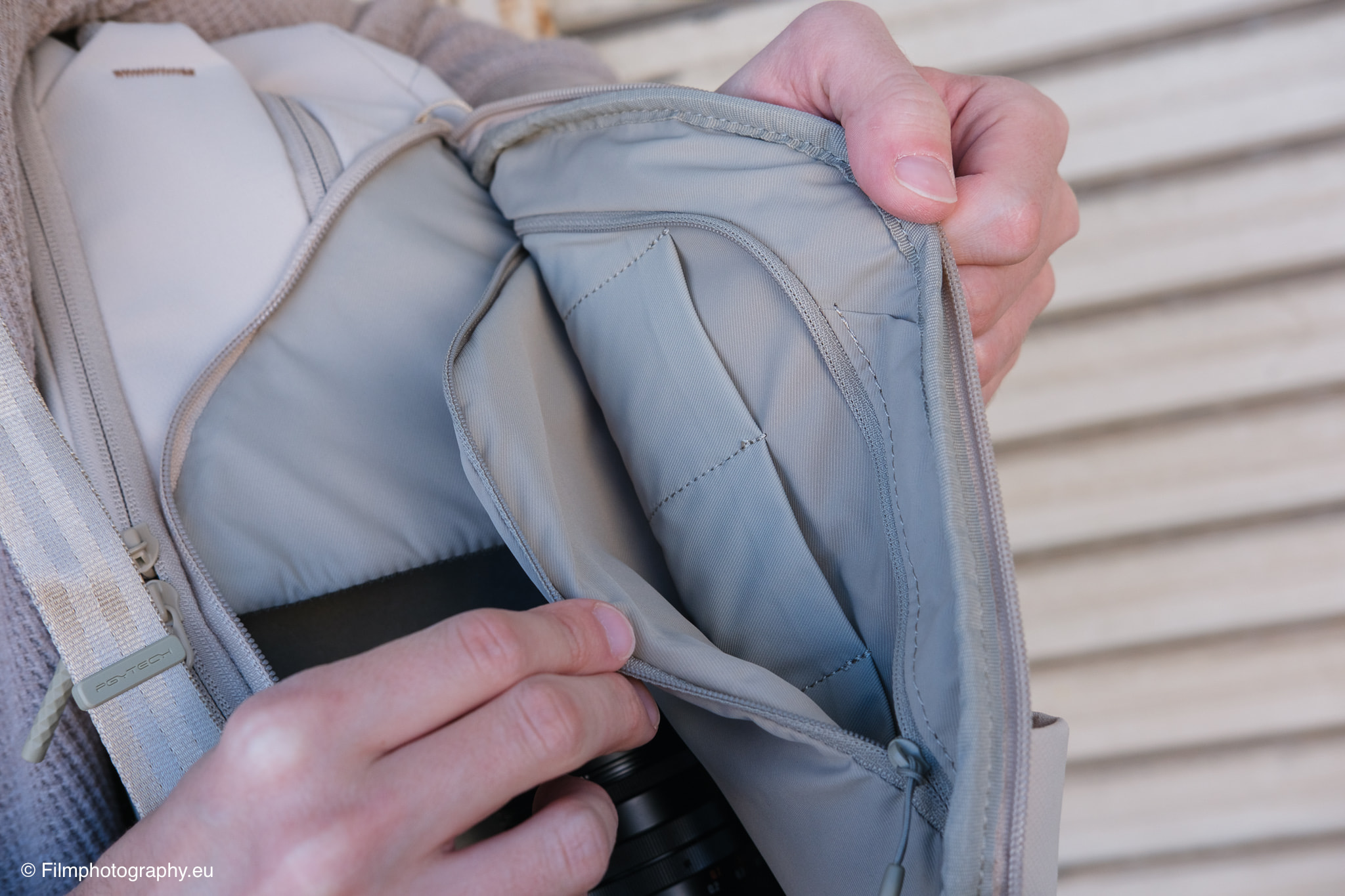
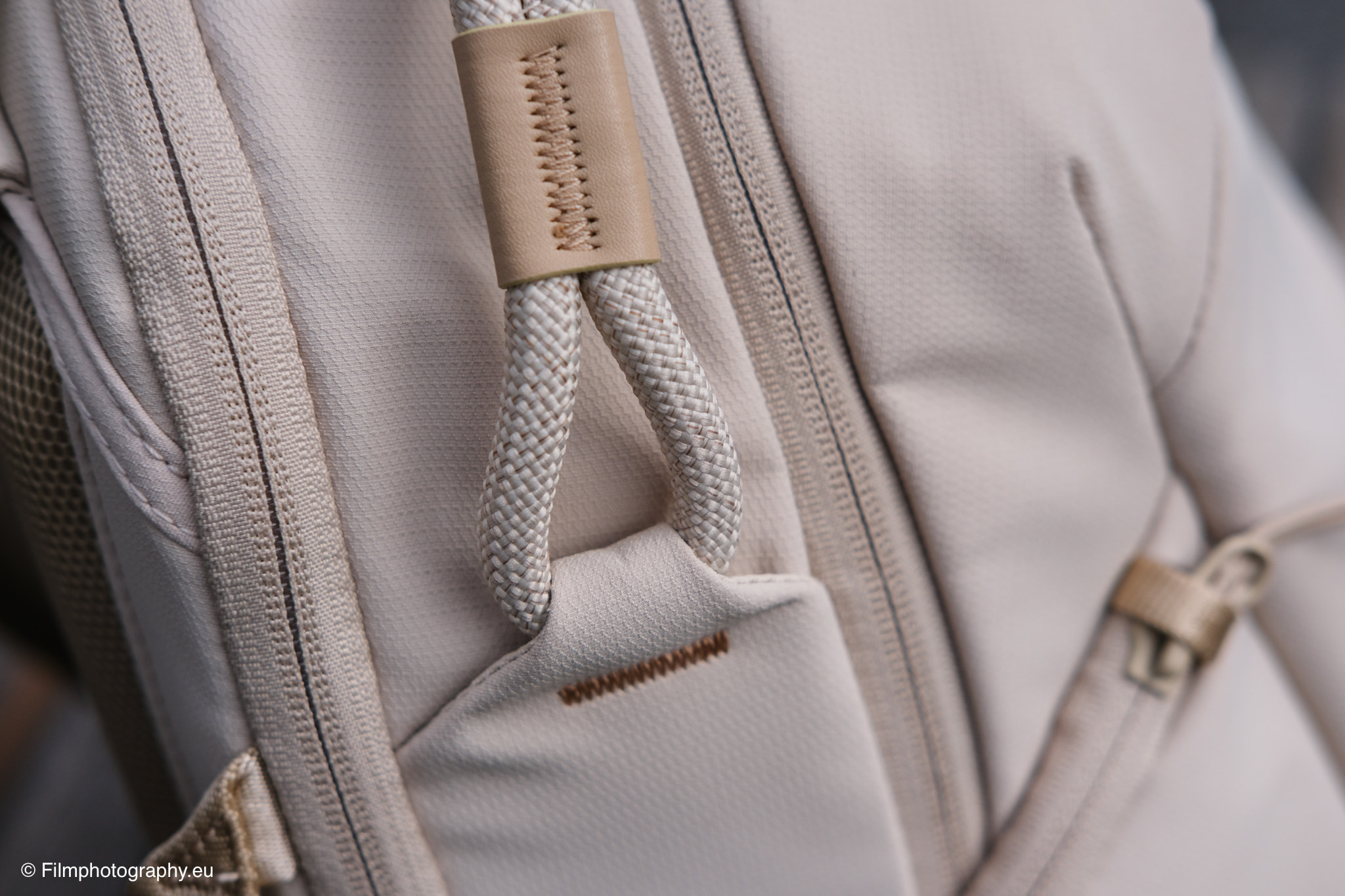
For quick access on the go, the camera can be removed via a side access panel without having to set the backpack down completely. To keep this side compartment from opening accidentally in a crush, the zipper has a small loop for securing it. Directly inside the side opening is also a separate battery pocket, so spare batteries are at hand when reaching for the camera, and you don't have to open the main compartment before the next subject moves on.
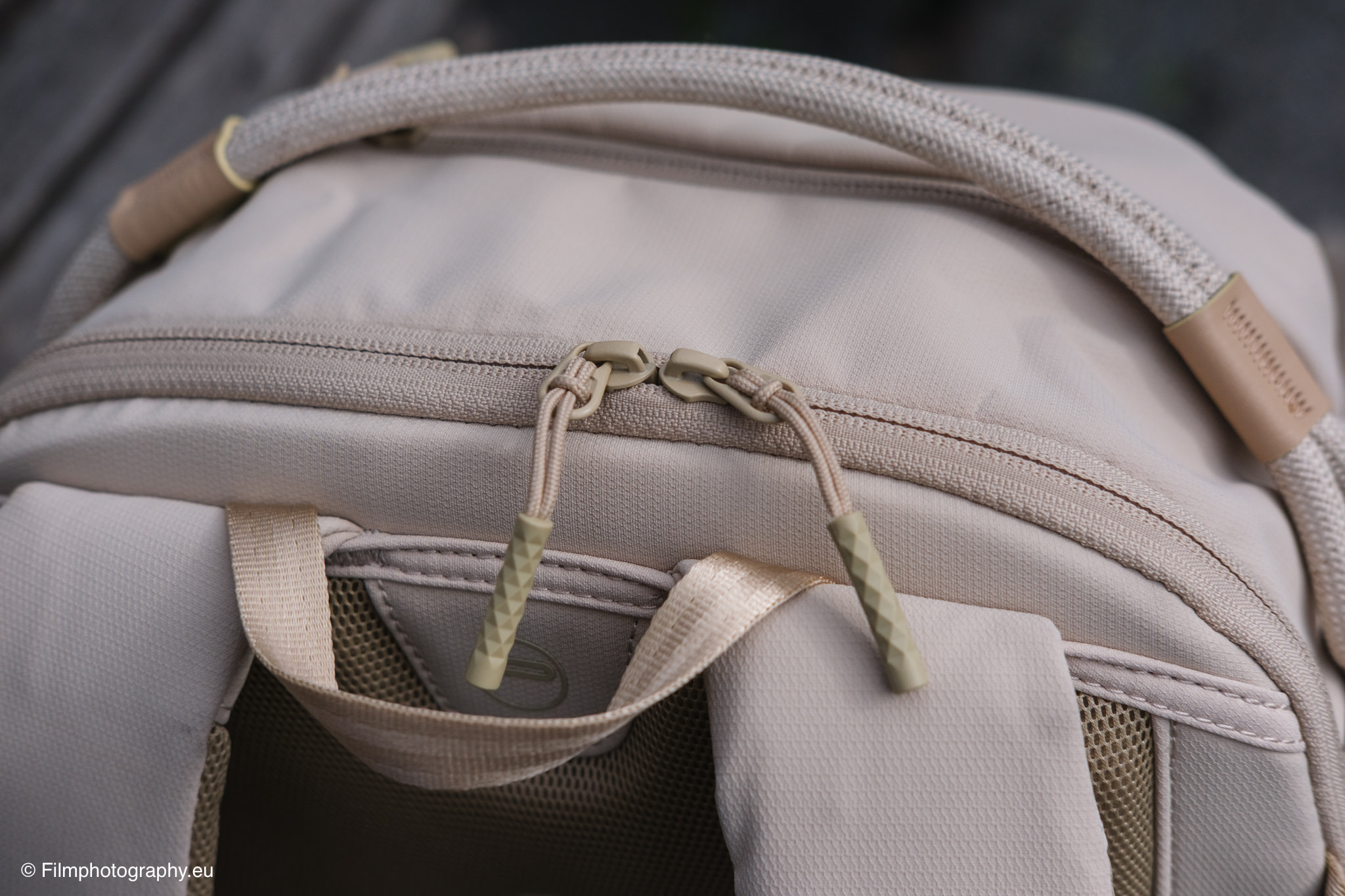
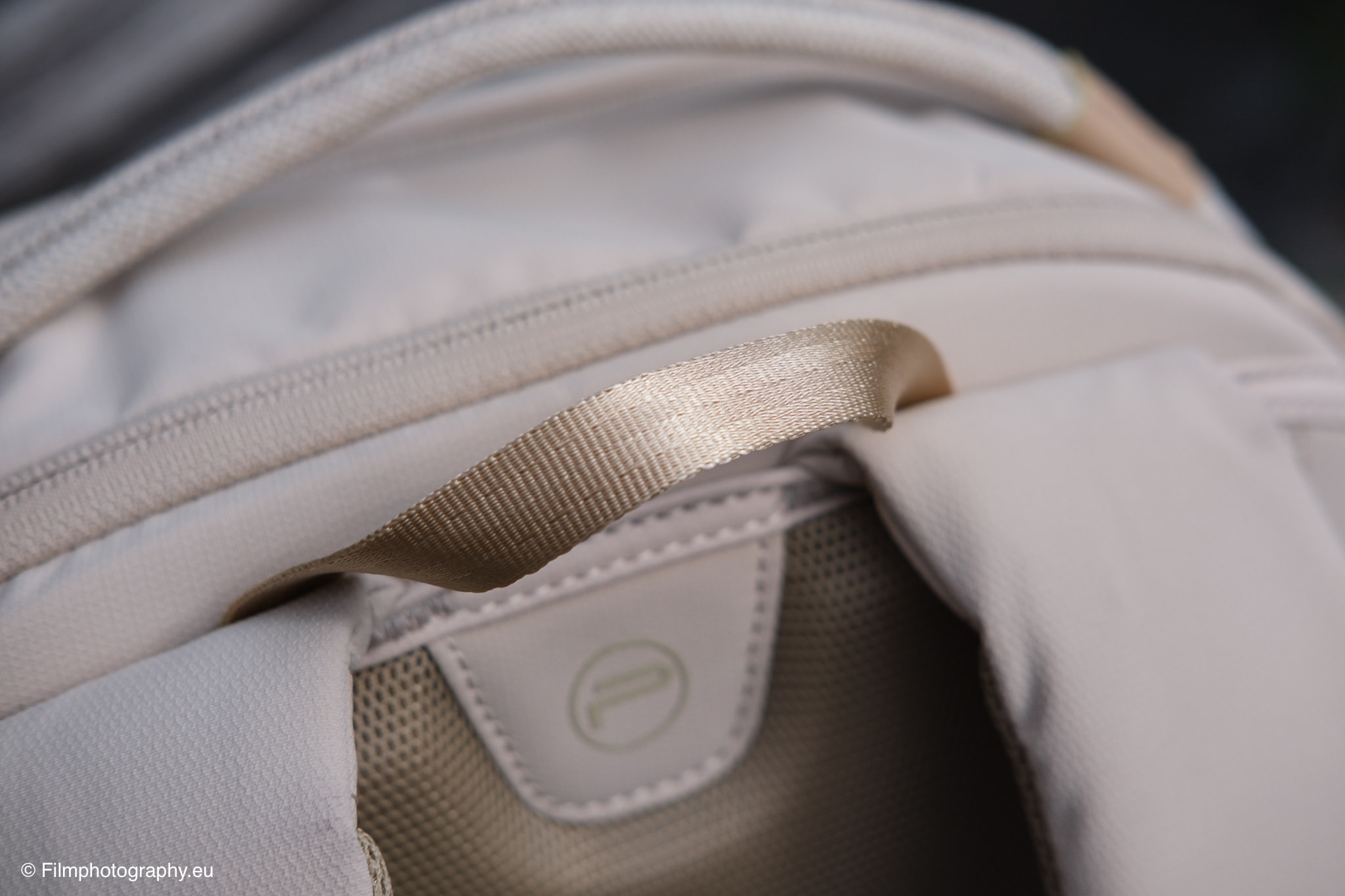
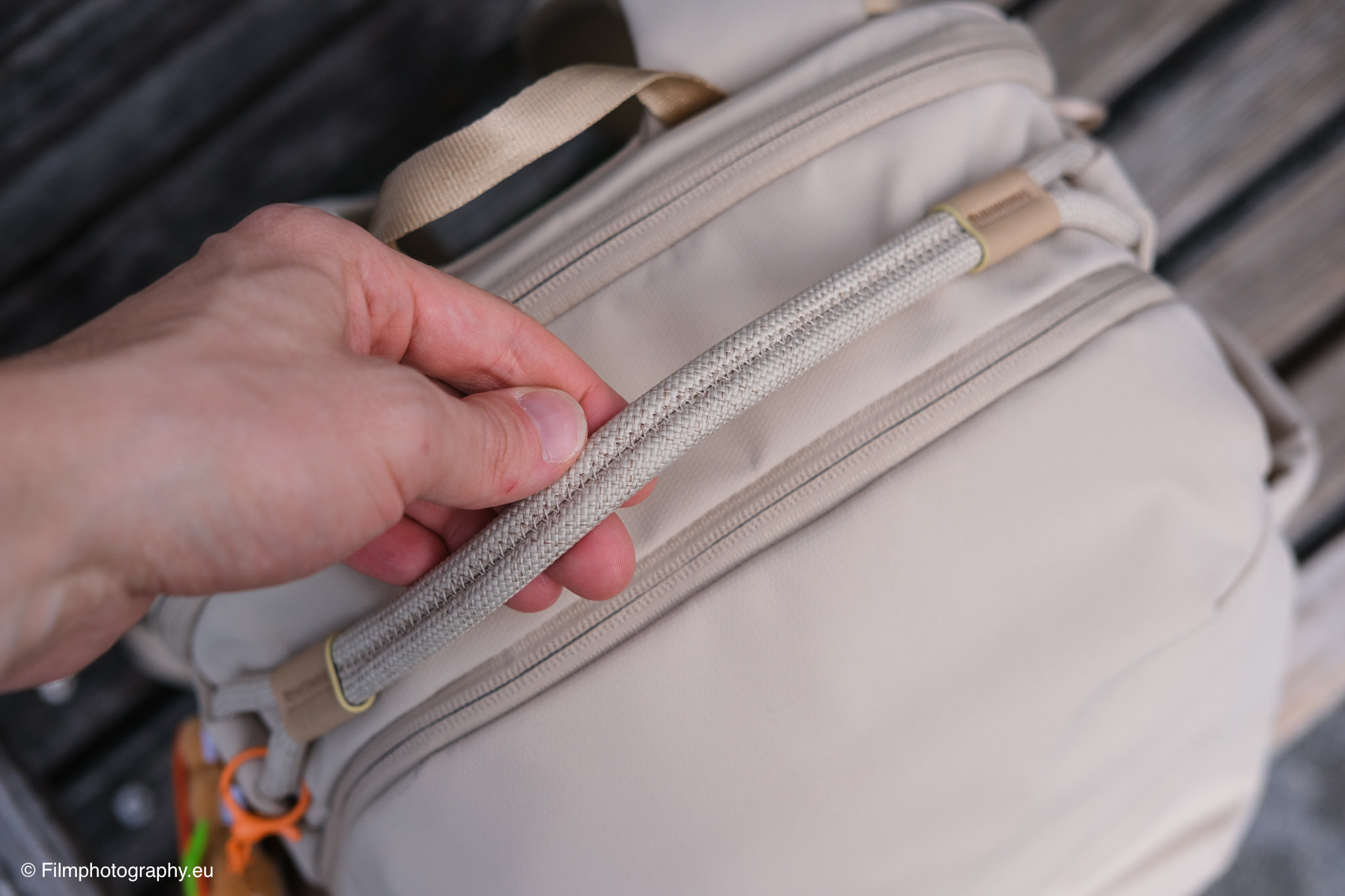
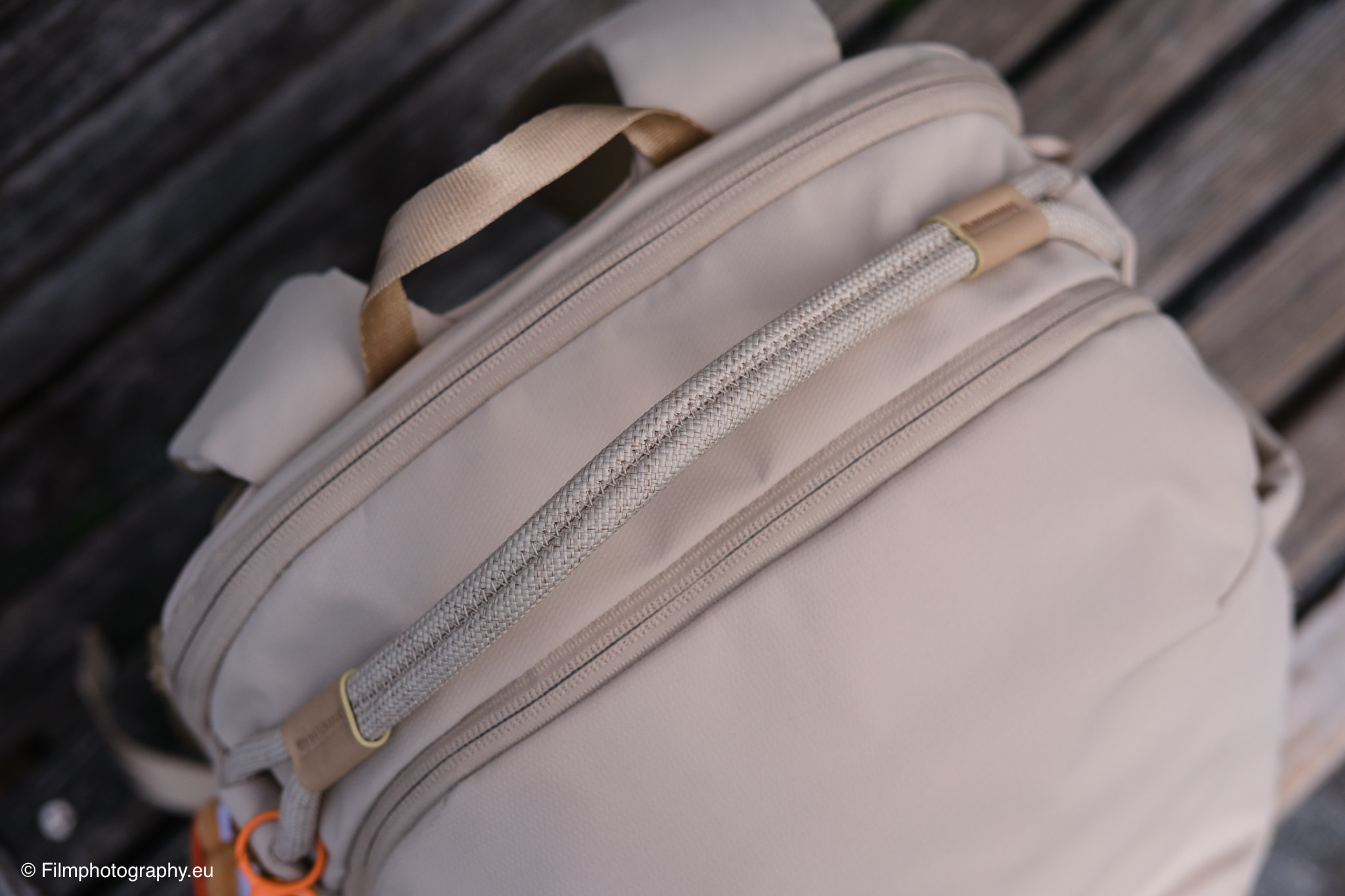
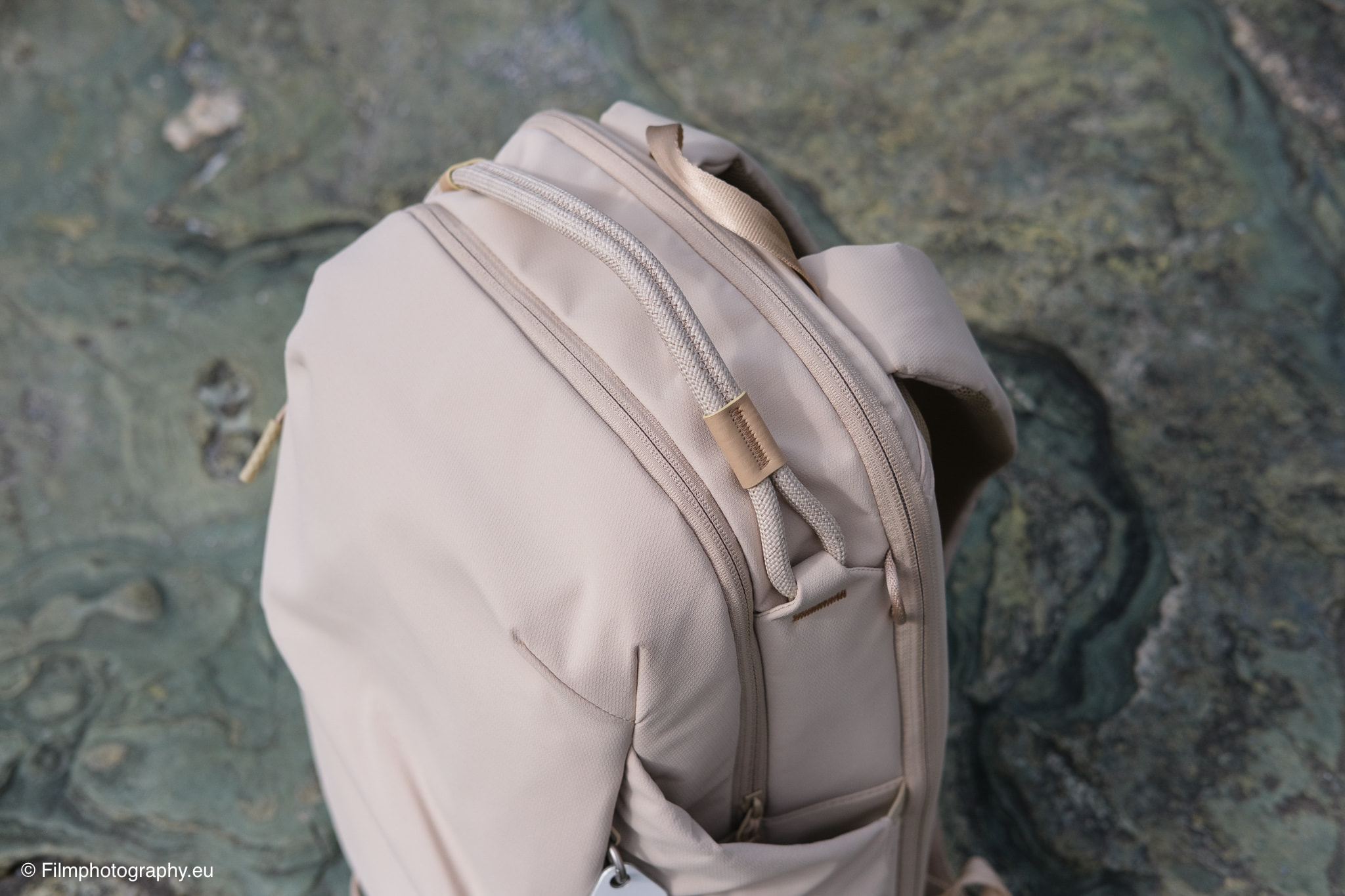
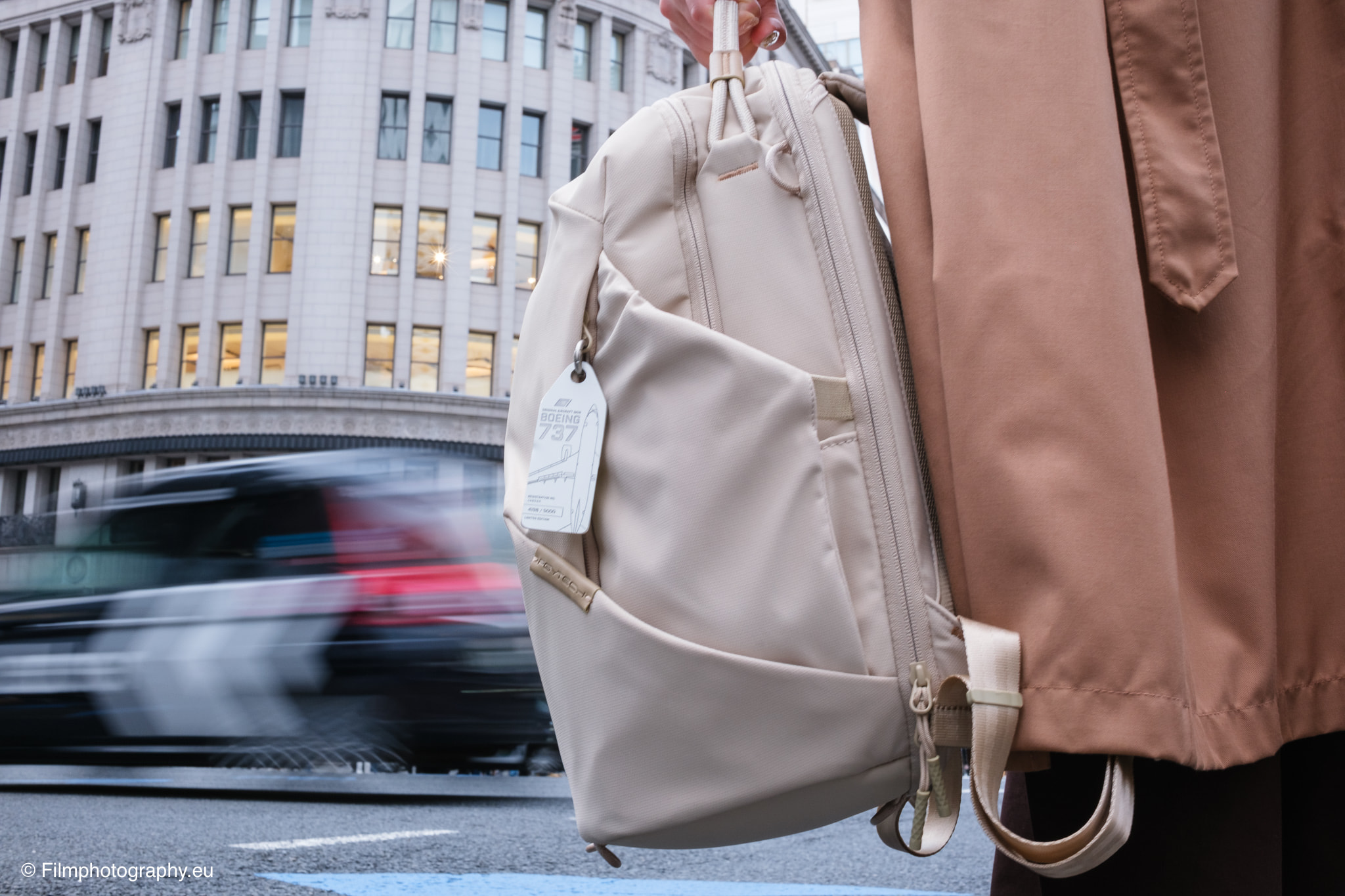
A discreet carry handle on the top completes the design. This small handle proves very practical while traveling, as you can easily hang the backpack on wall hooks or attach it with a carabiner. Anyone who dislikes putting their light-colored bag on the floor of public restrooms will quickly appreciate this detail.
Inside, PGYTECH uses flexible hook-and-loop dividers to partition the main compartment as needed. These dividers do their job flawlessly, but in my opinion they could be made a bit thinner, similar to what you know from the Roamer backpack. Such padding thickness isn't strictly necessary inside, and thinner dividers would create valuable space for slim accessories.
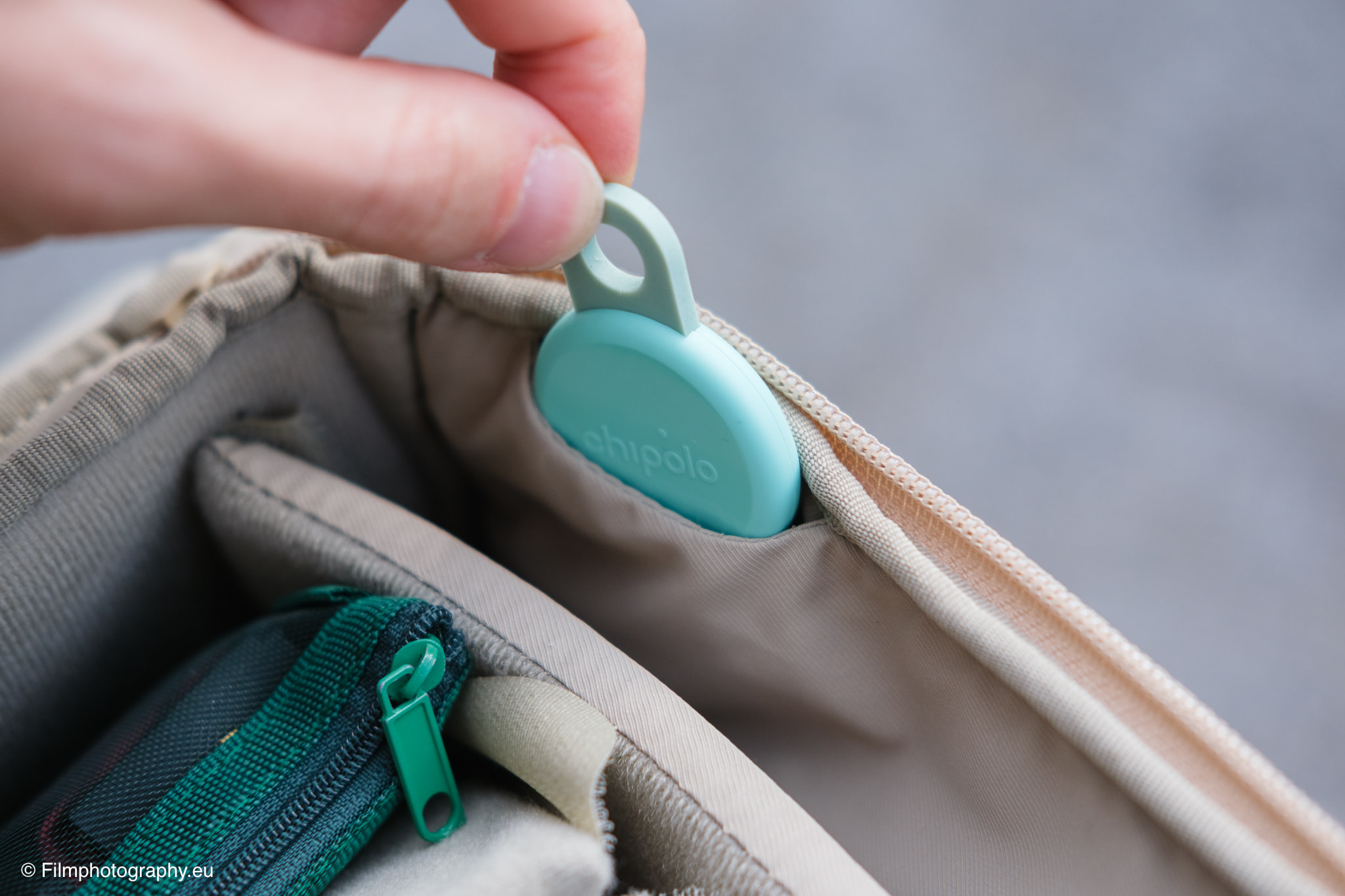
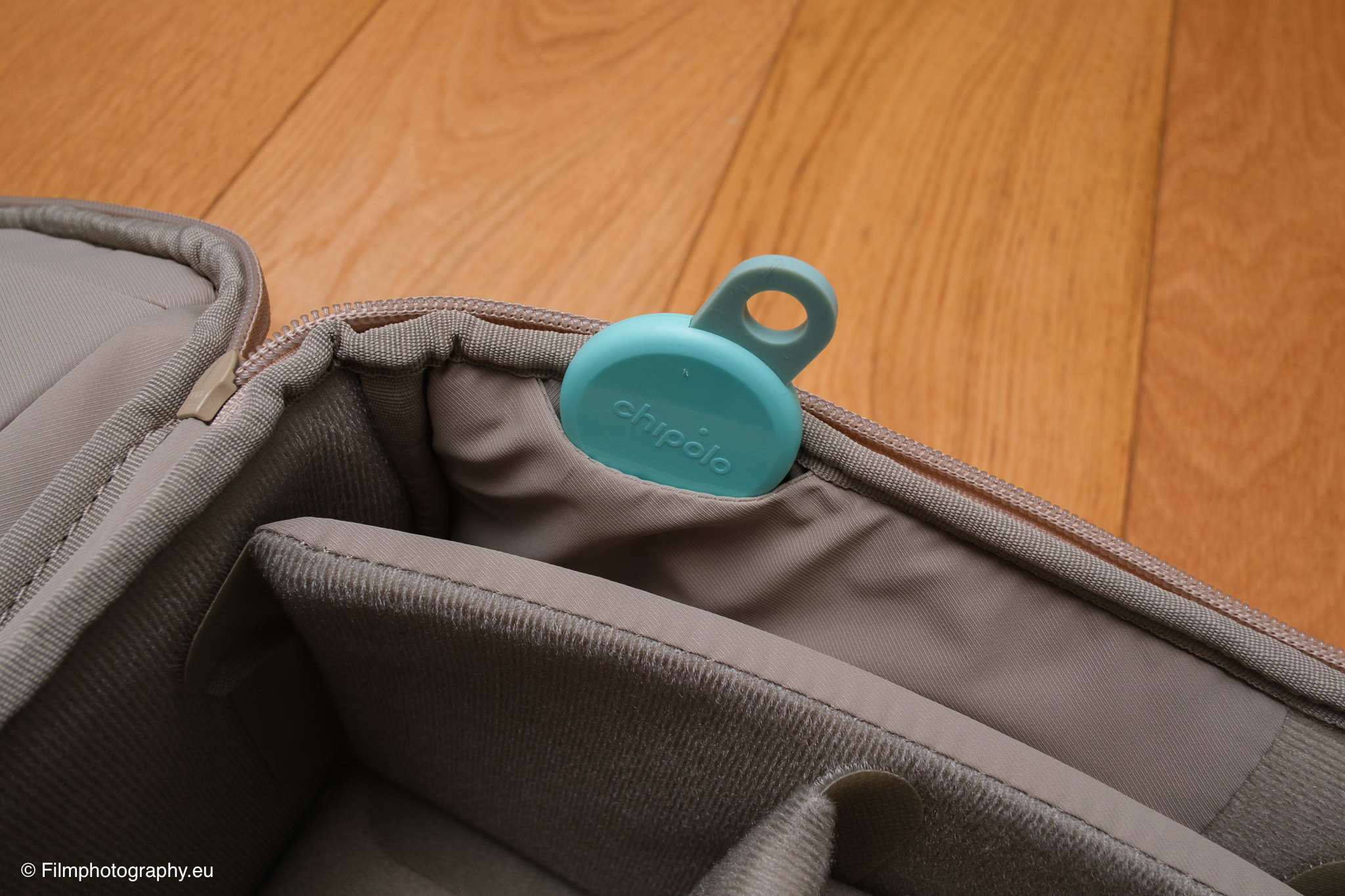
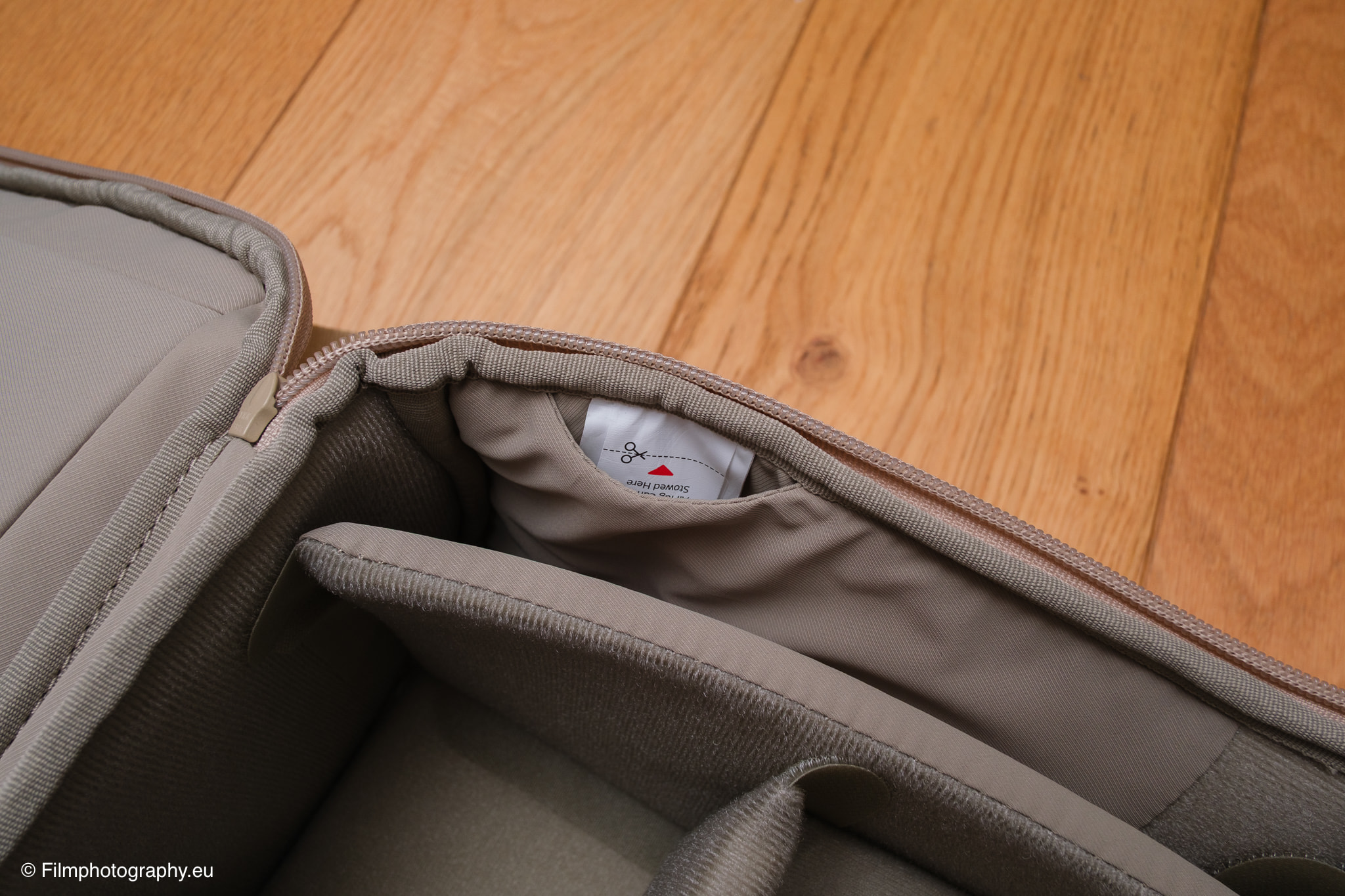
Inside, PGYTECH has also discreetly housed a compartment for a smart tracker such as a Chipolo Tracker. While traveling, this offers peace of mind should luggage briefly drift out of sight at the airport or on a train.
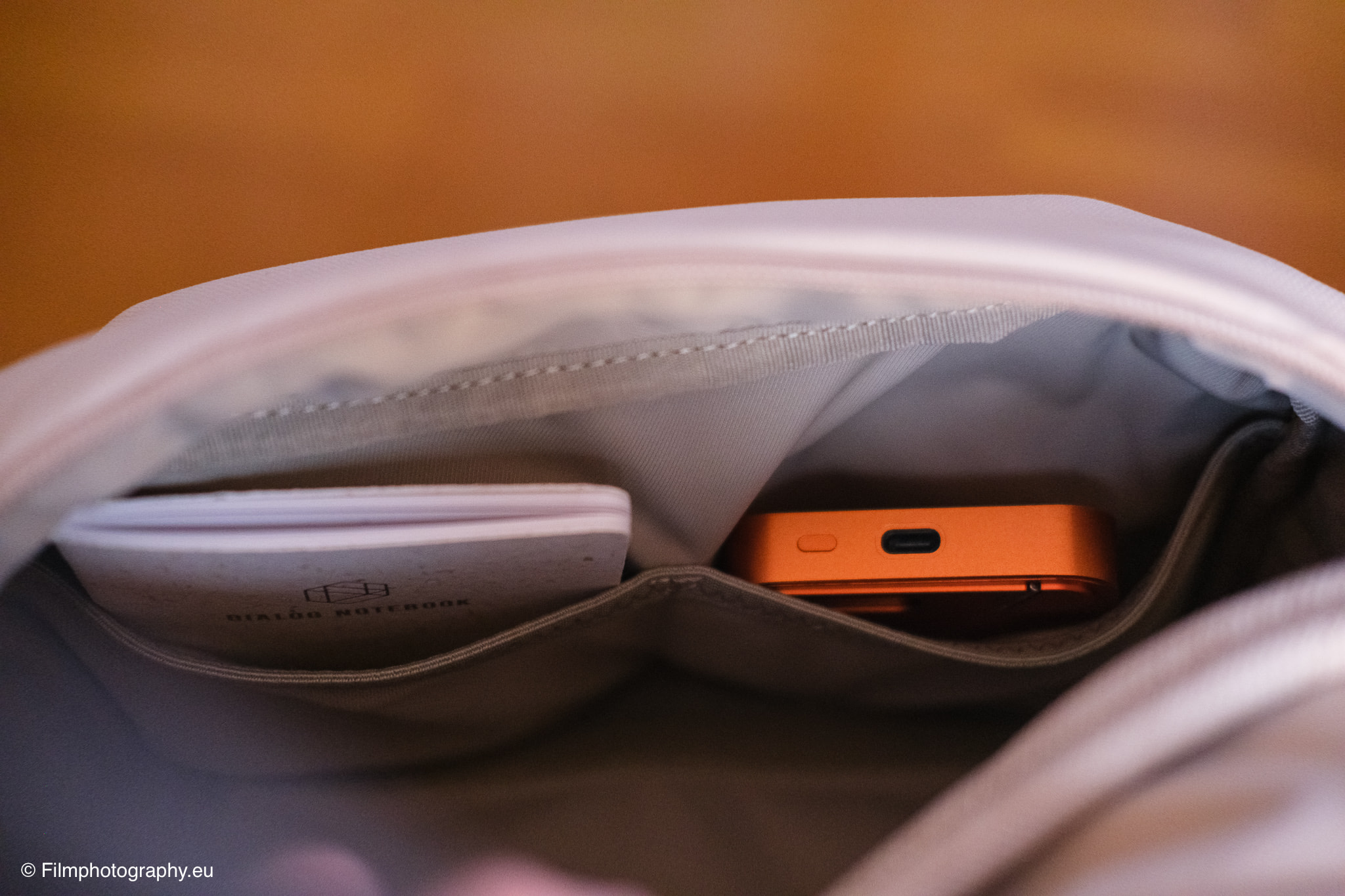
Above the camera area is a separately accessible section. Other items can be stowed freely there. Within it, there are only two stretch pockets as subdivisions.
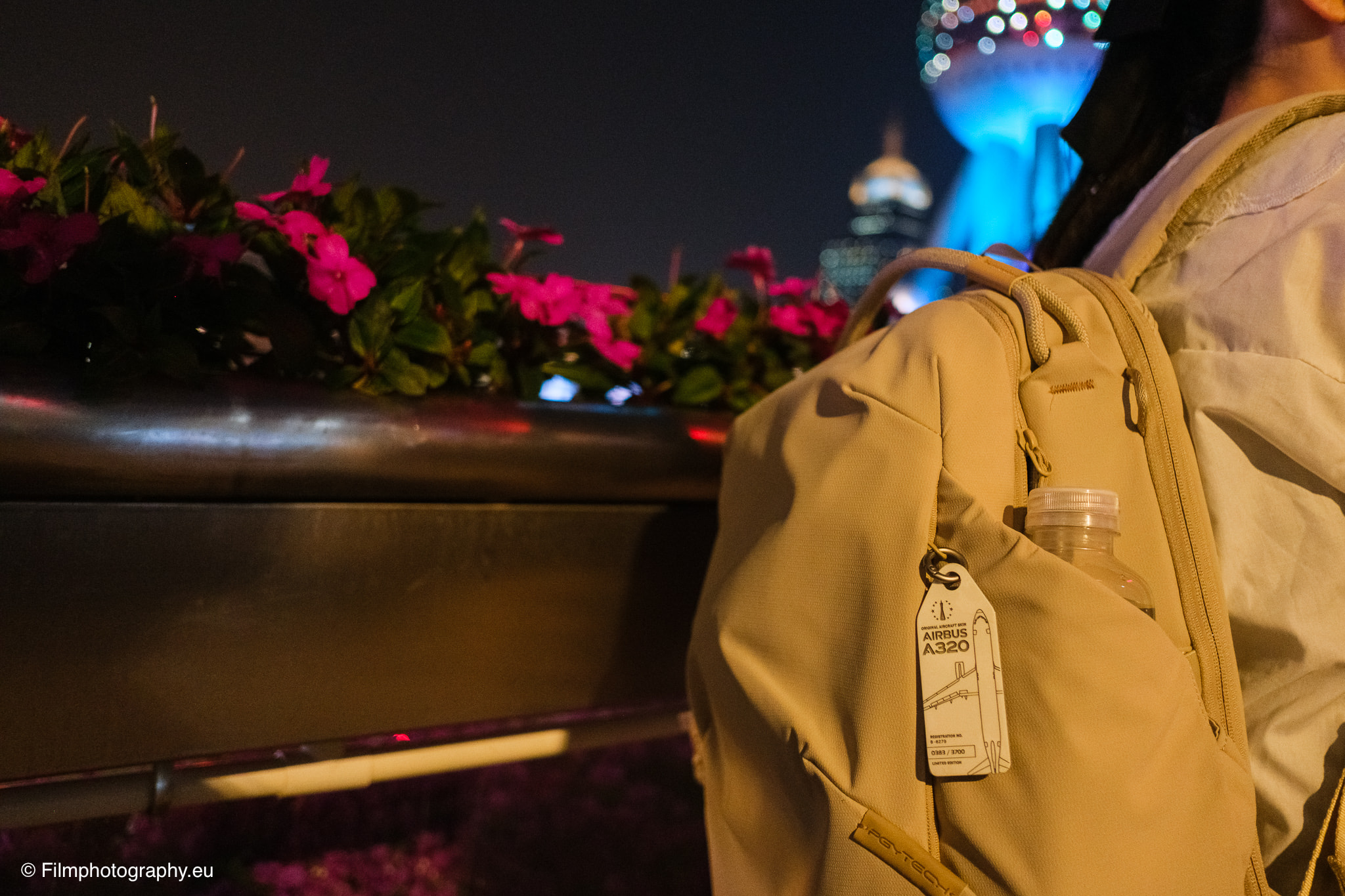
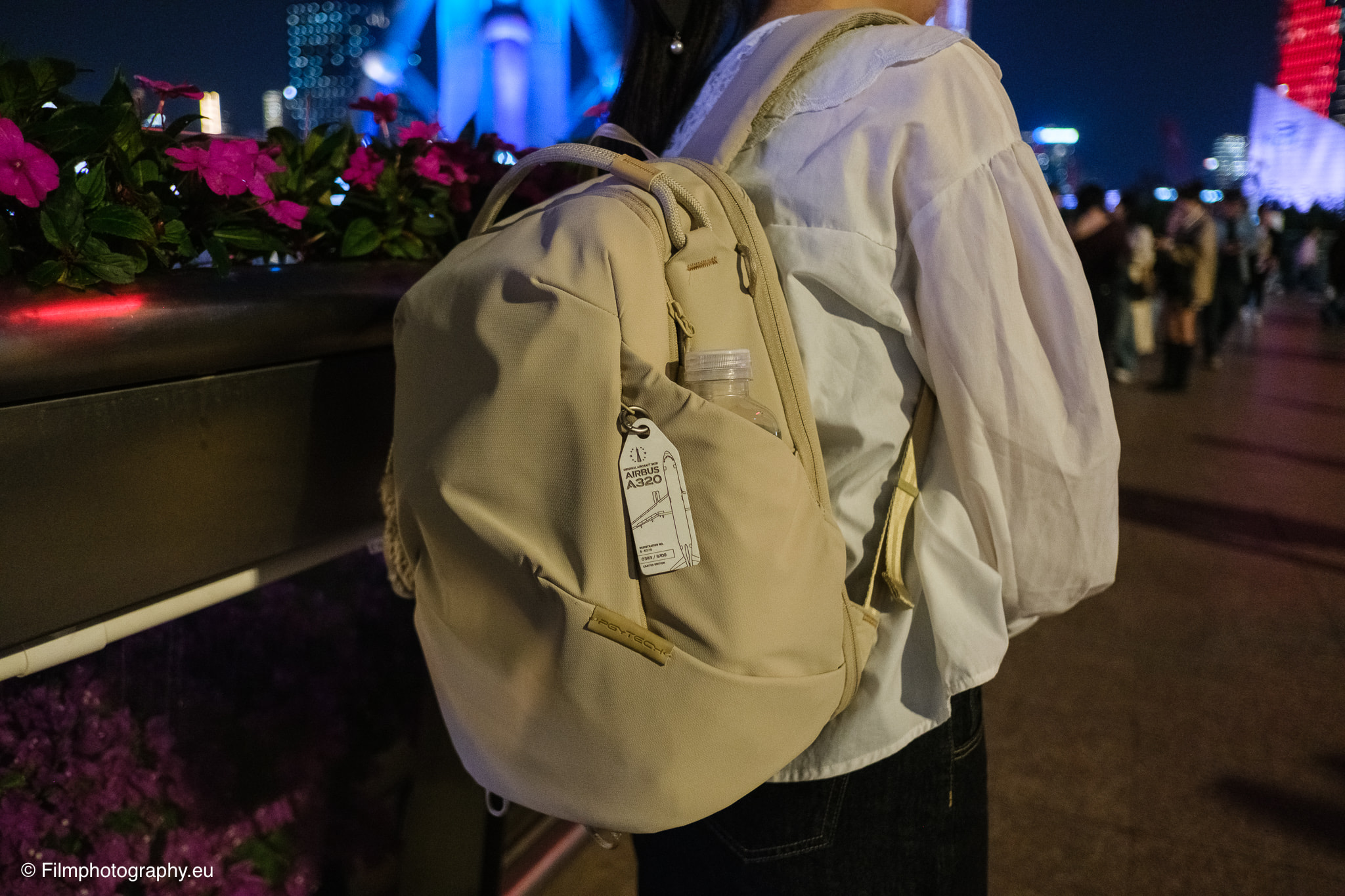
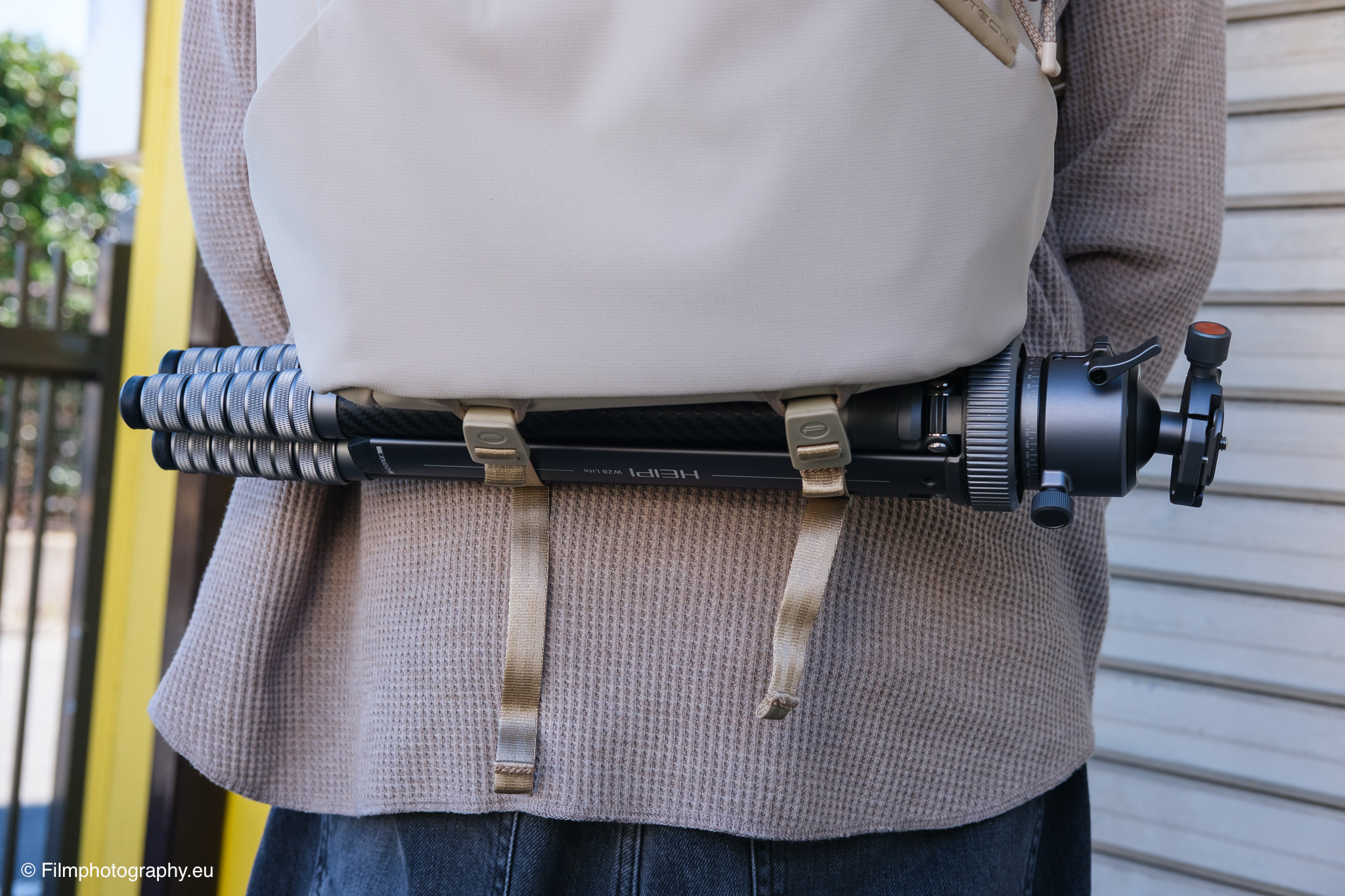
On the side of the backpack there's room for a tripod, umbrella or water bottle. This item can be secured even better with a strap.
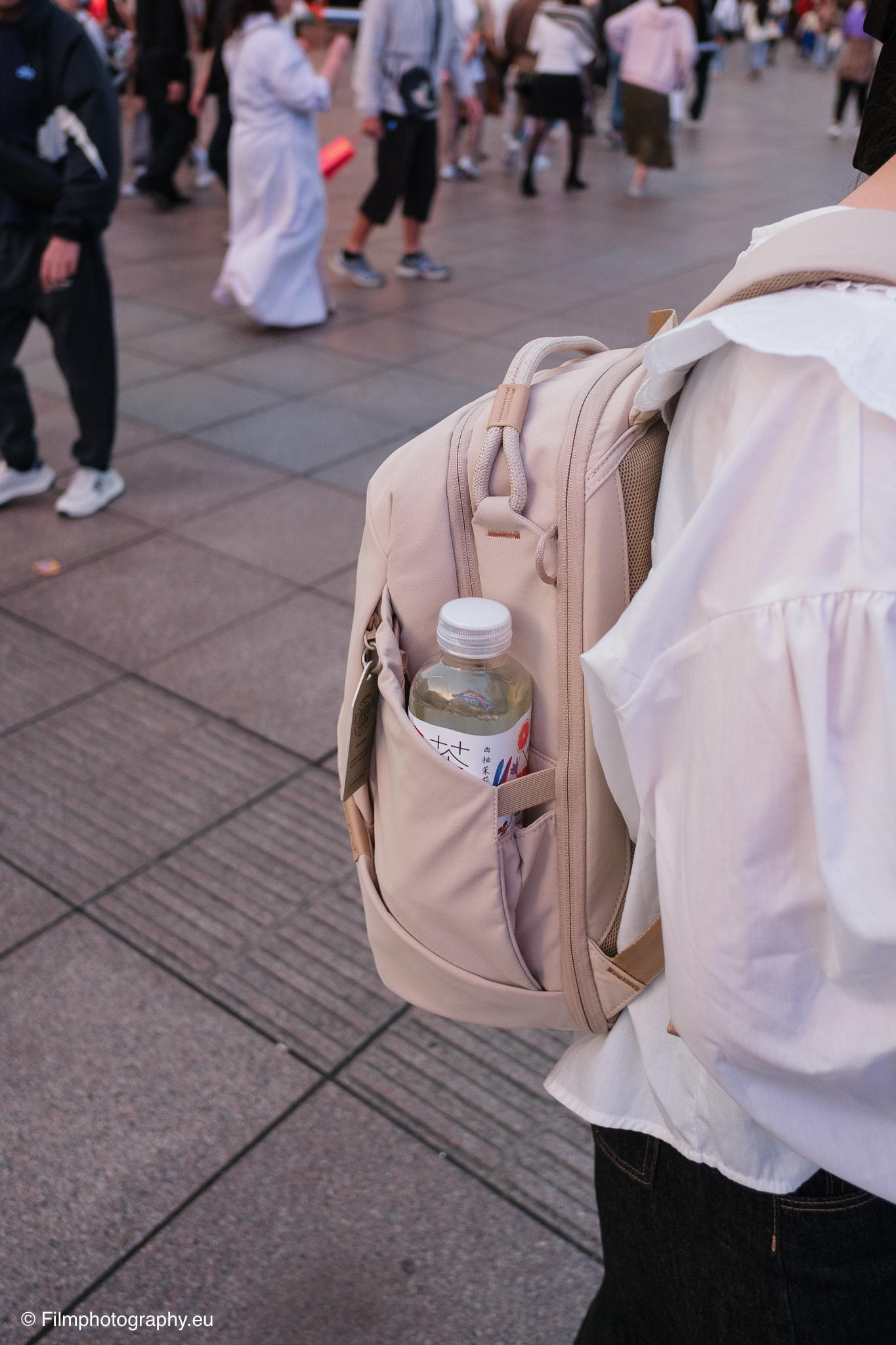
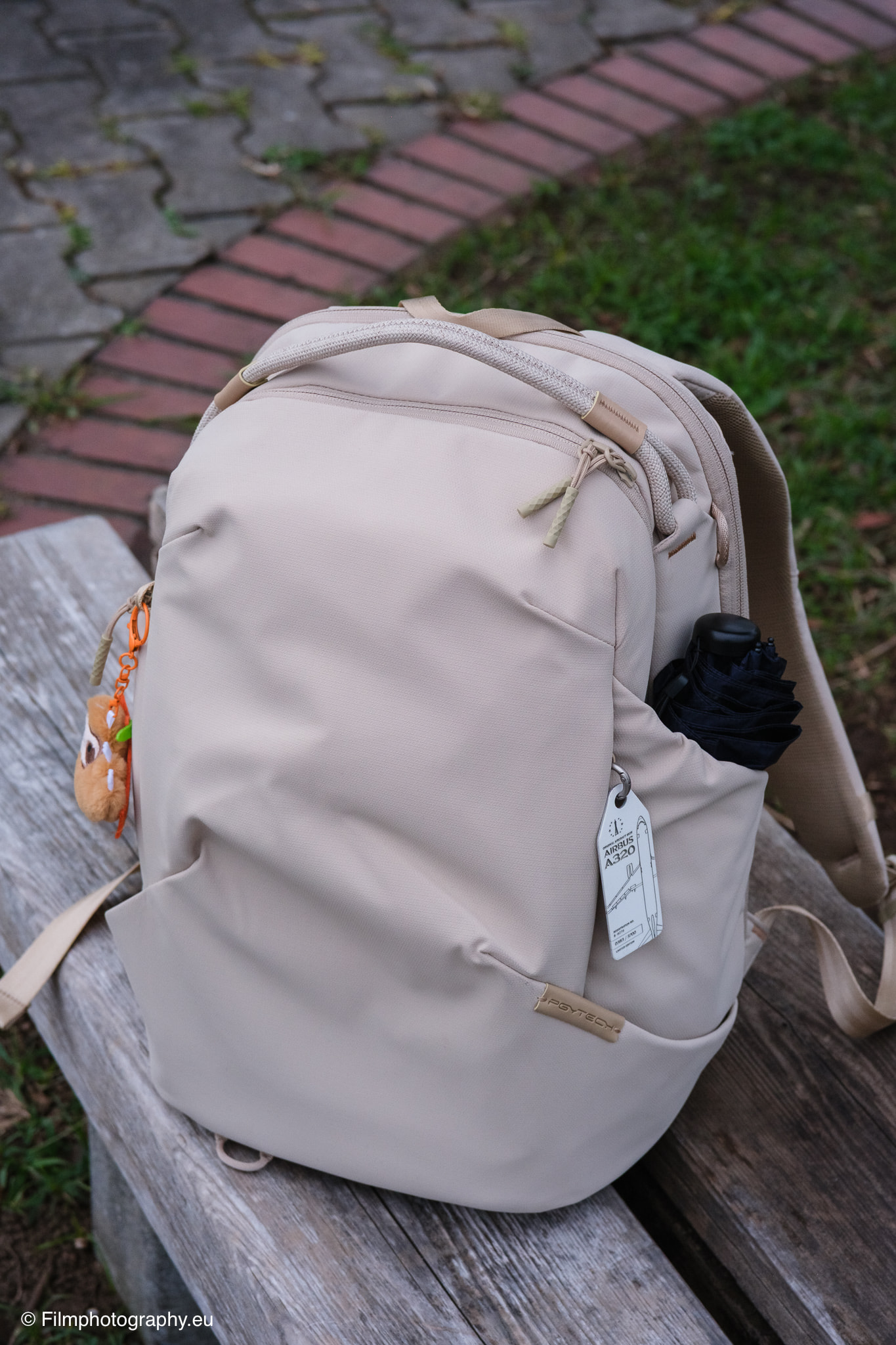
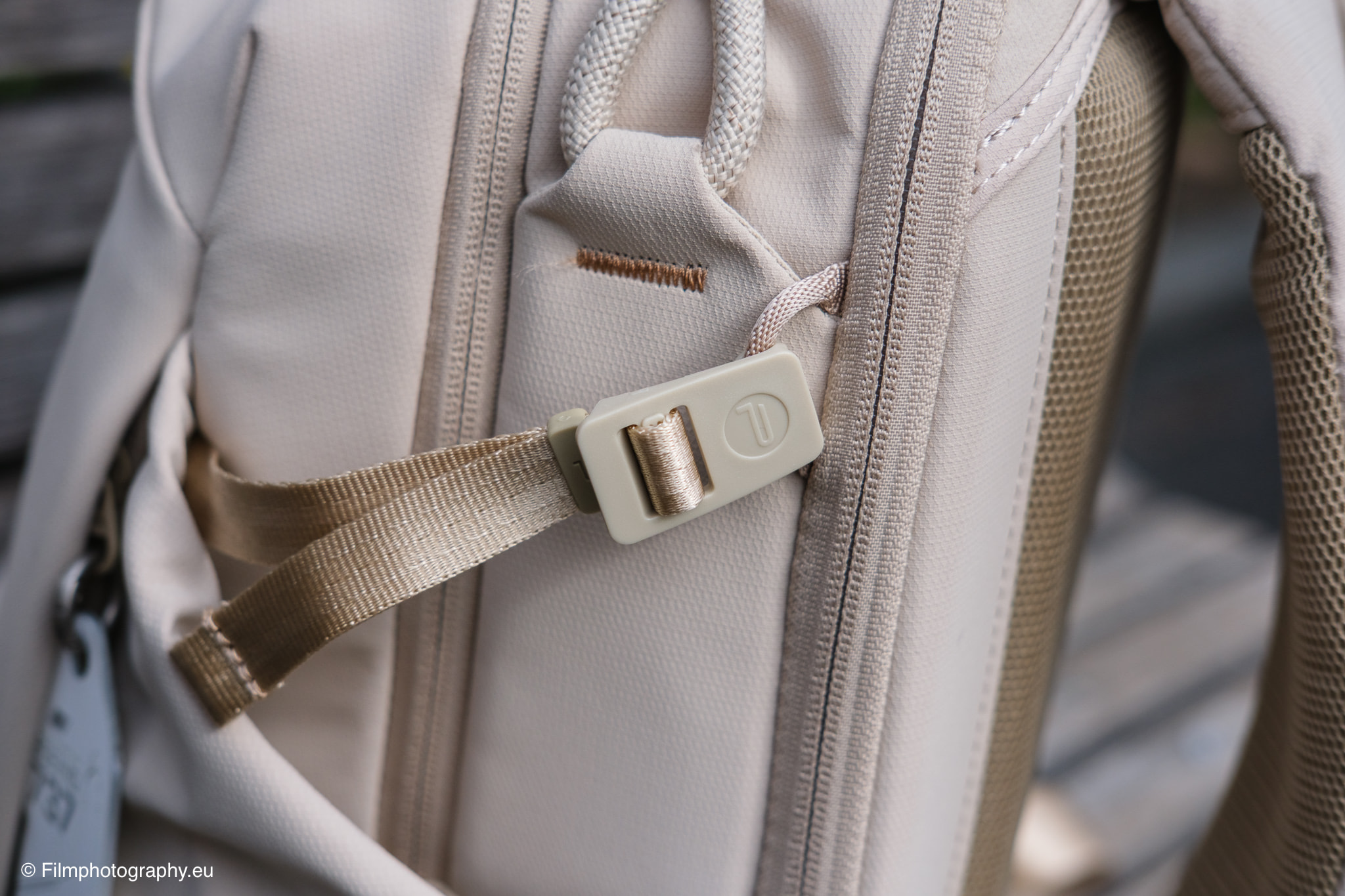
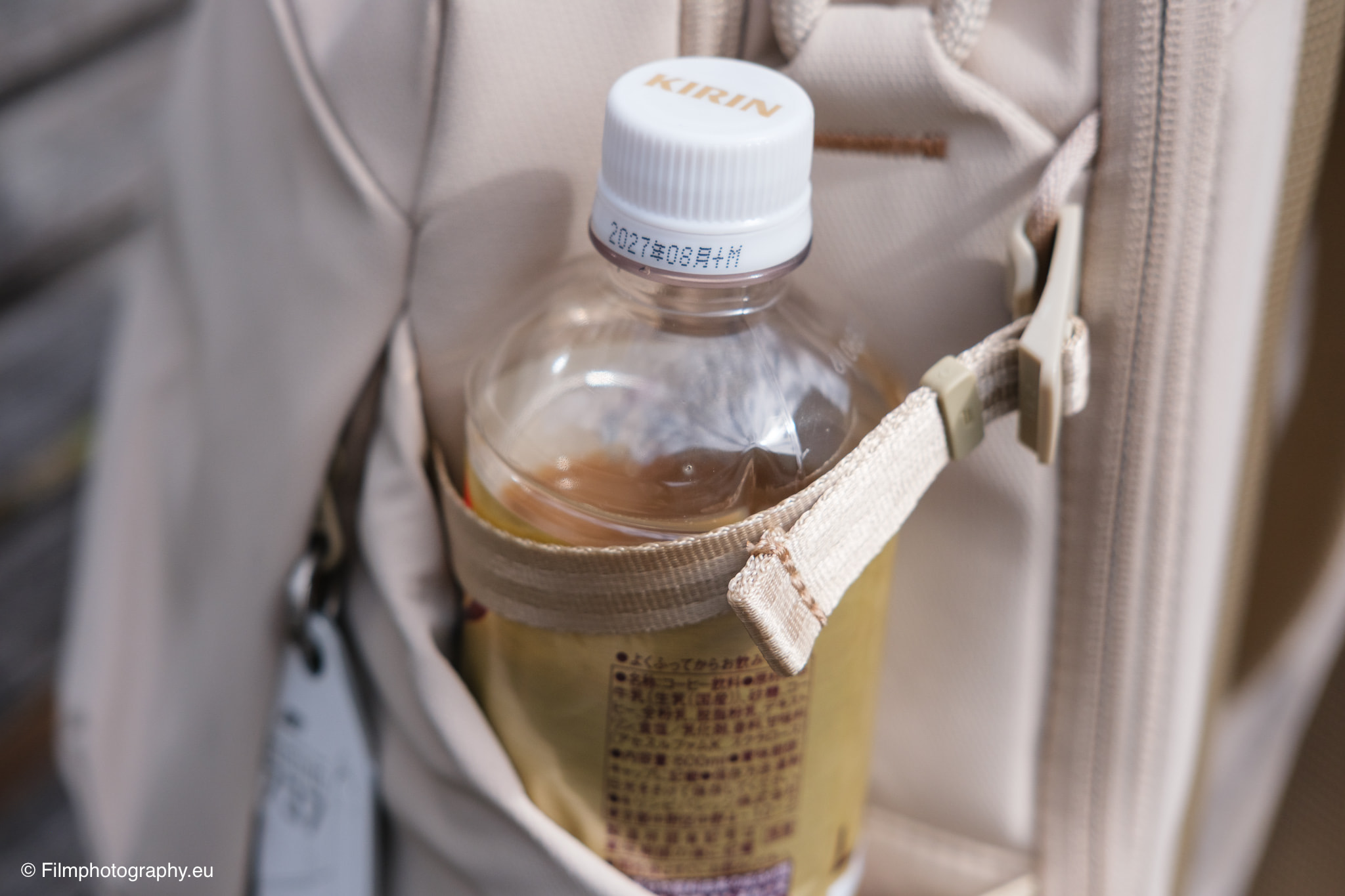
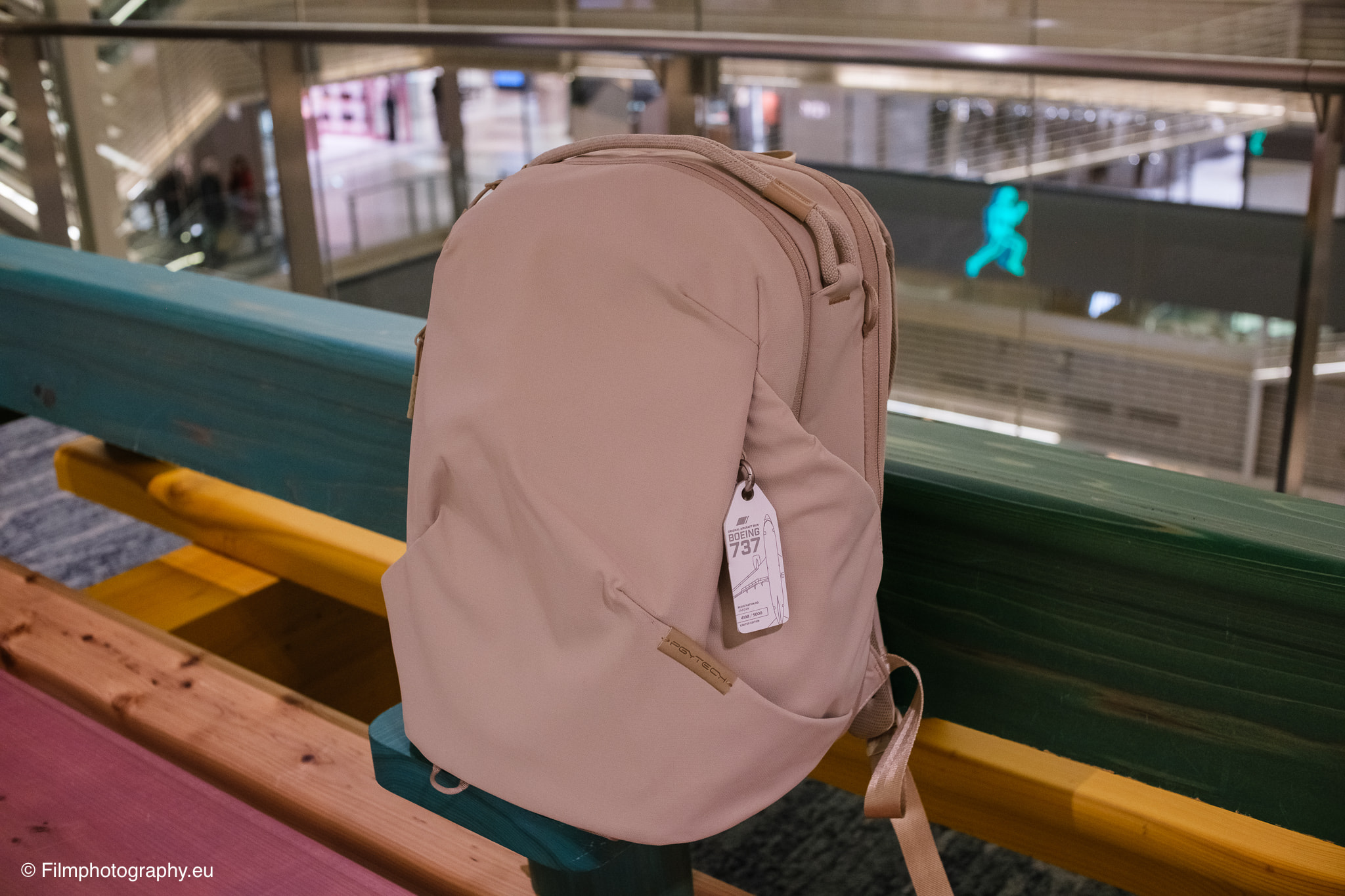
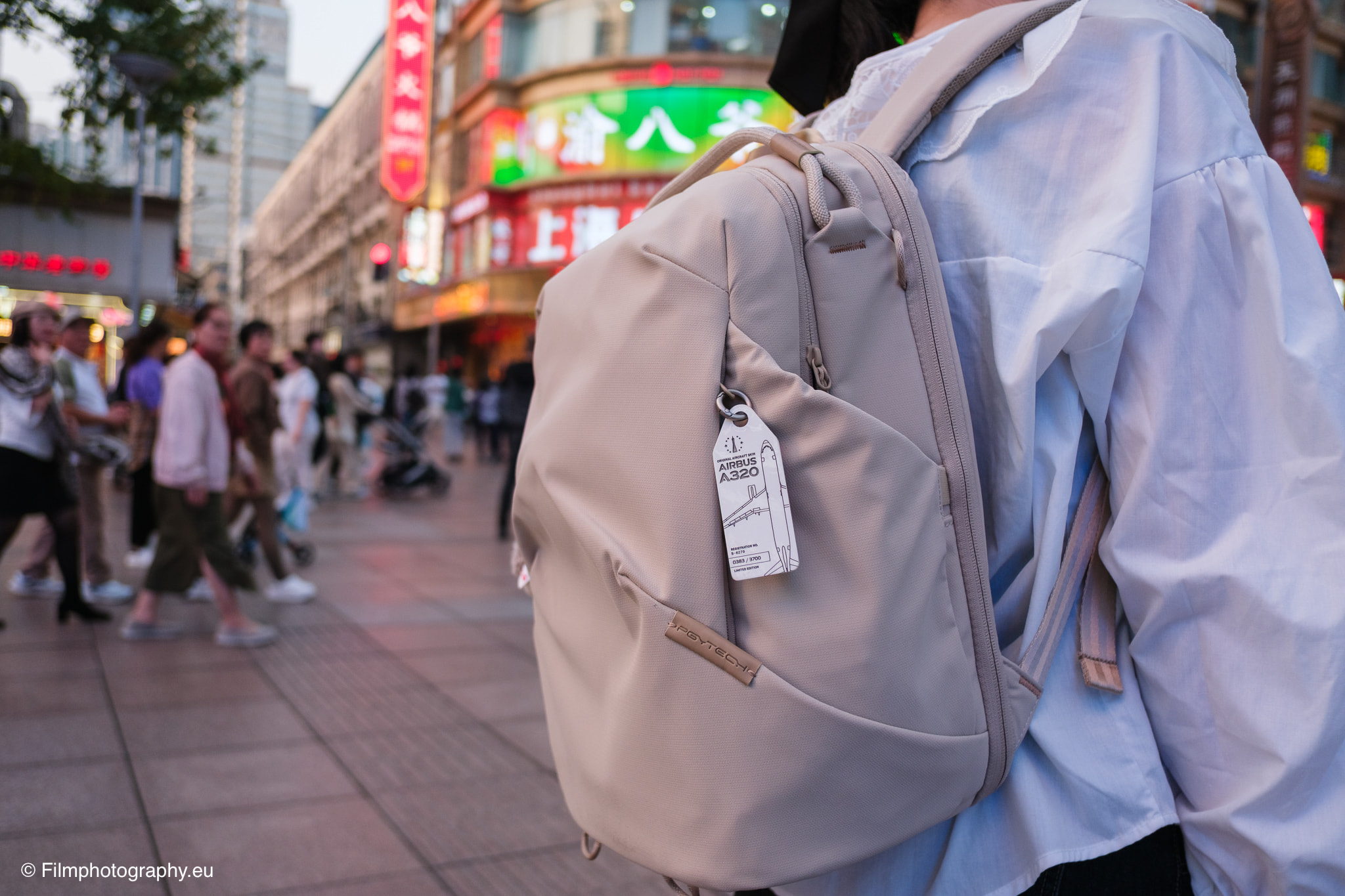
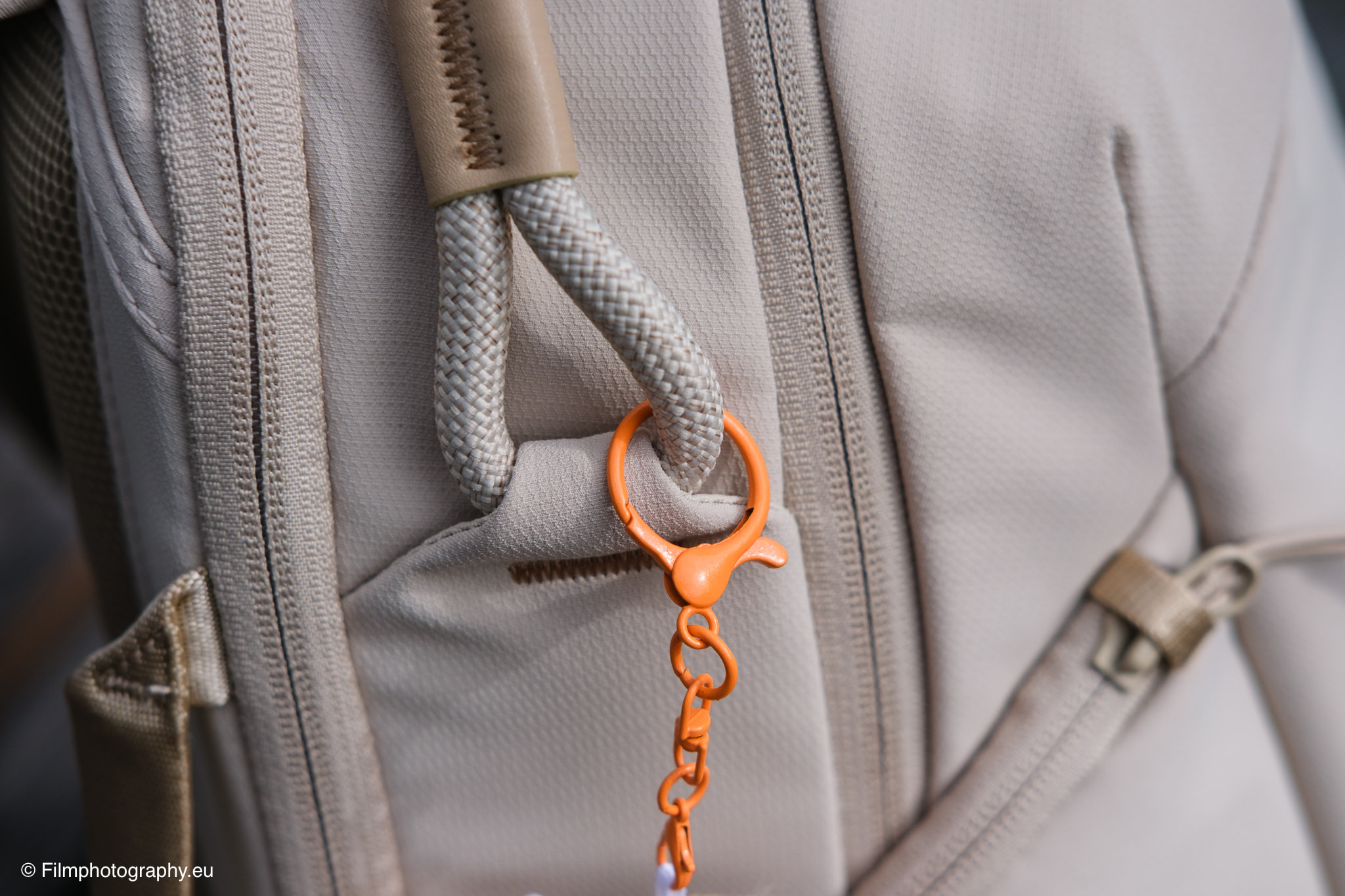
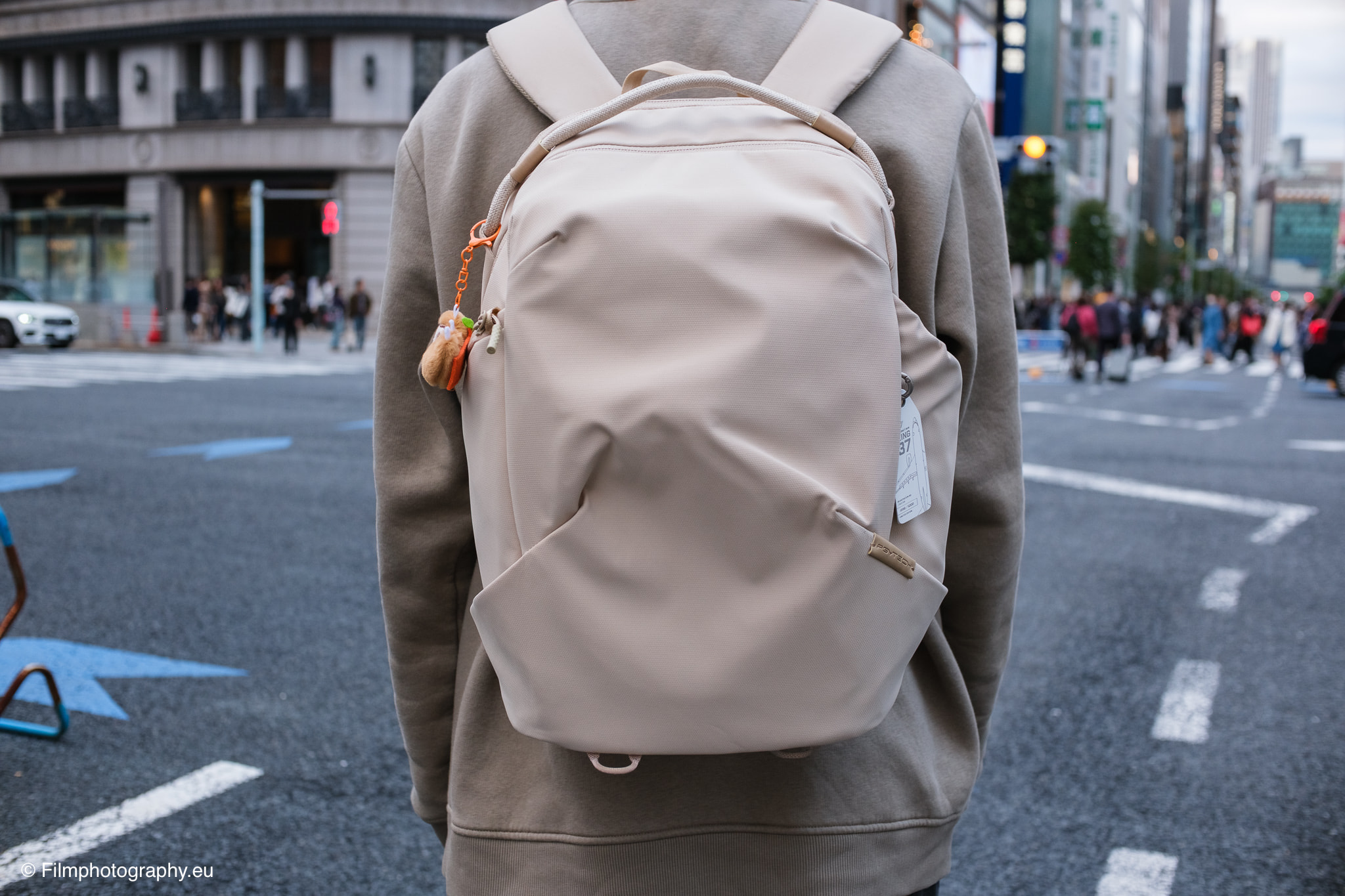
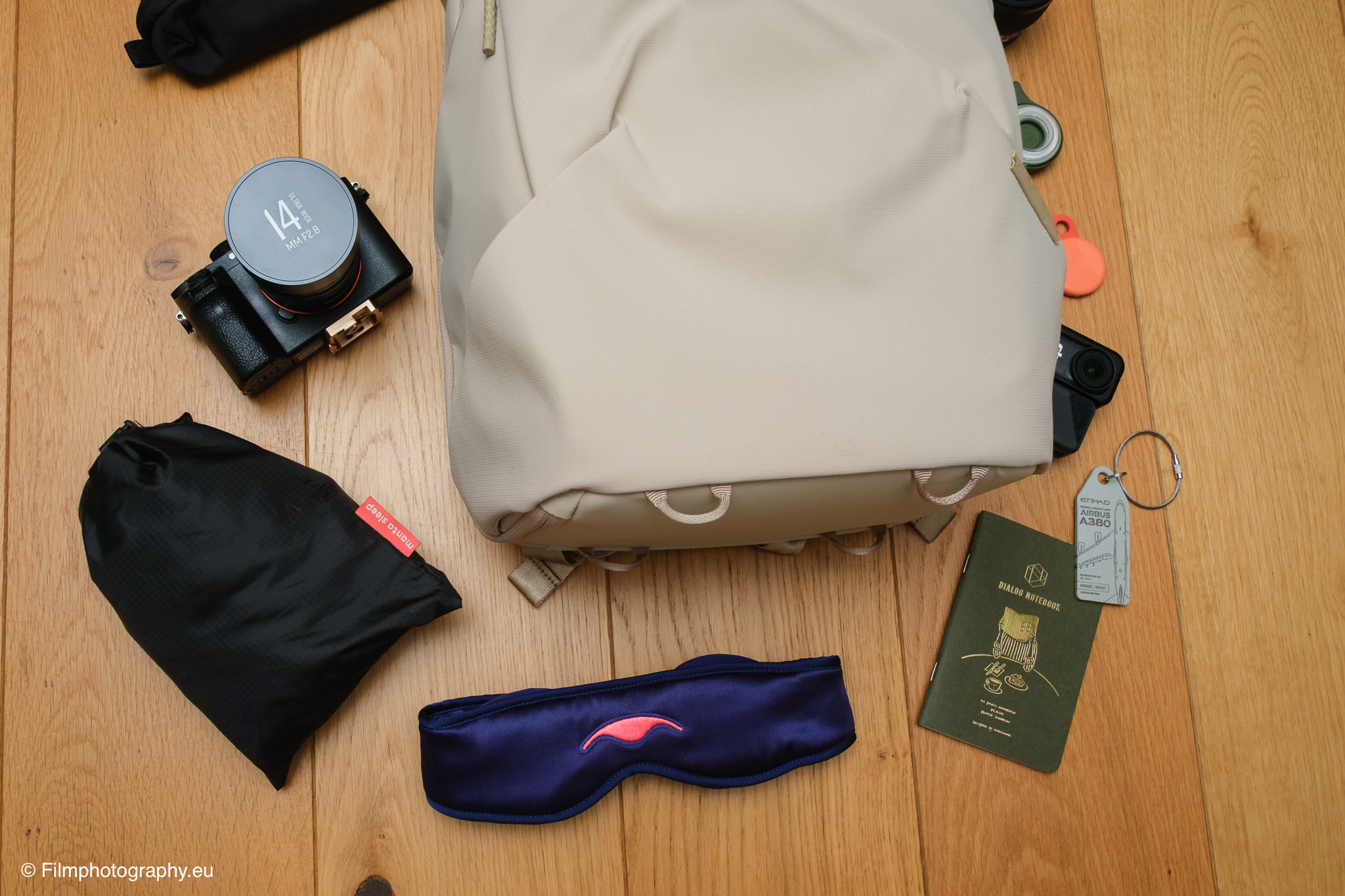
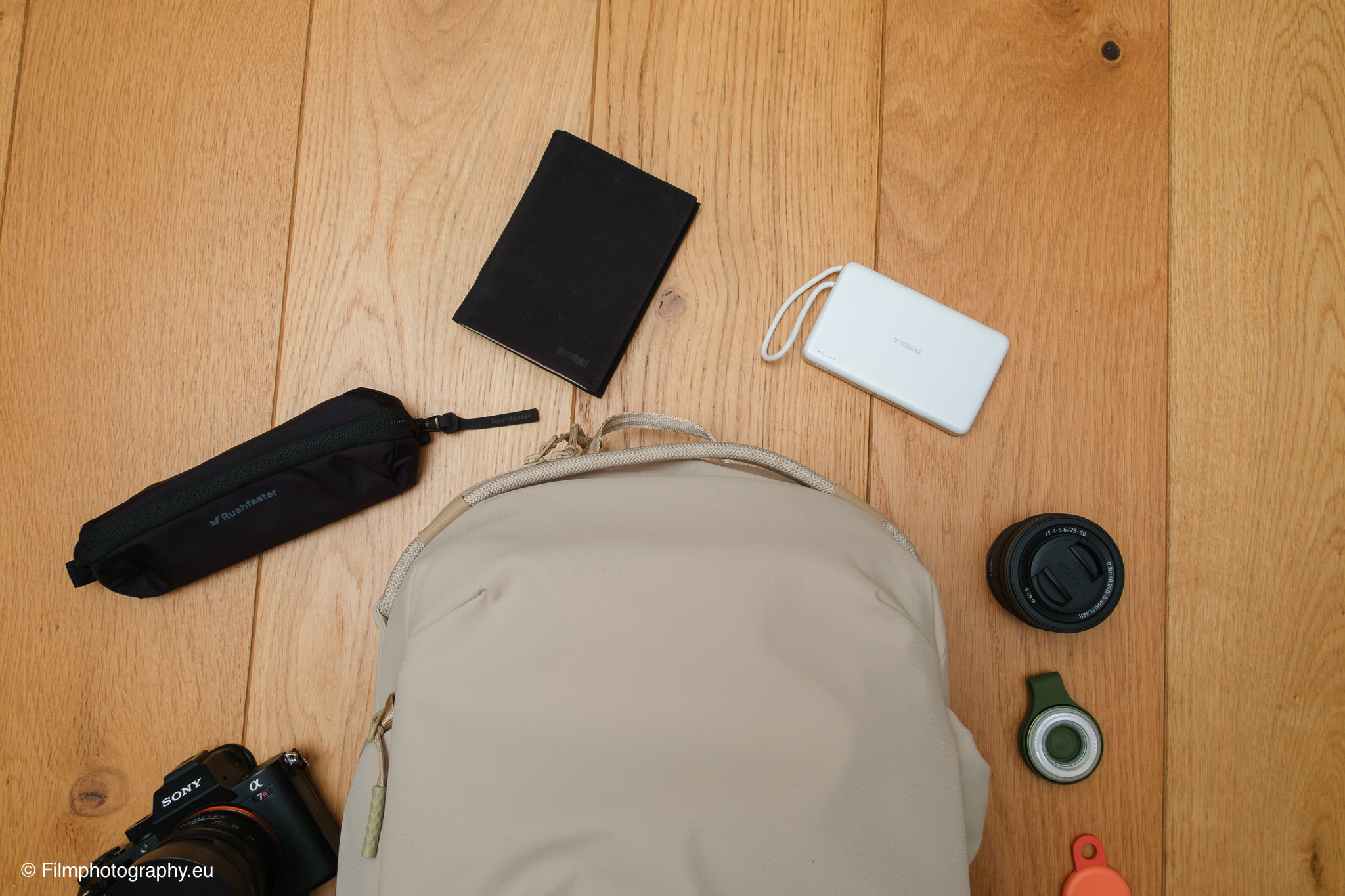
On the front is a vertical flat pocket that suits flat items such as notebooks, charging cables or a slim power bank. If you remove the cord there, the pocket looks inconspicuous, but passports or wallets should still not be stored there. It's better to carry such documents close to the body while traveling. Instead of the cord, other charms, such as the Aviationtags, can be attached to it.
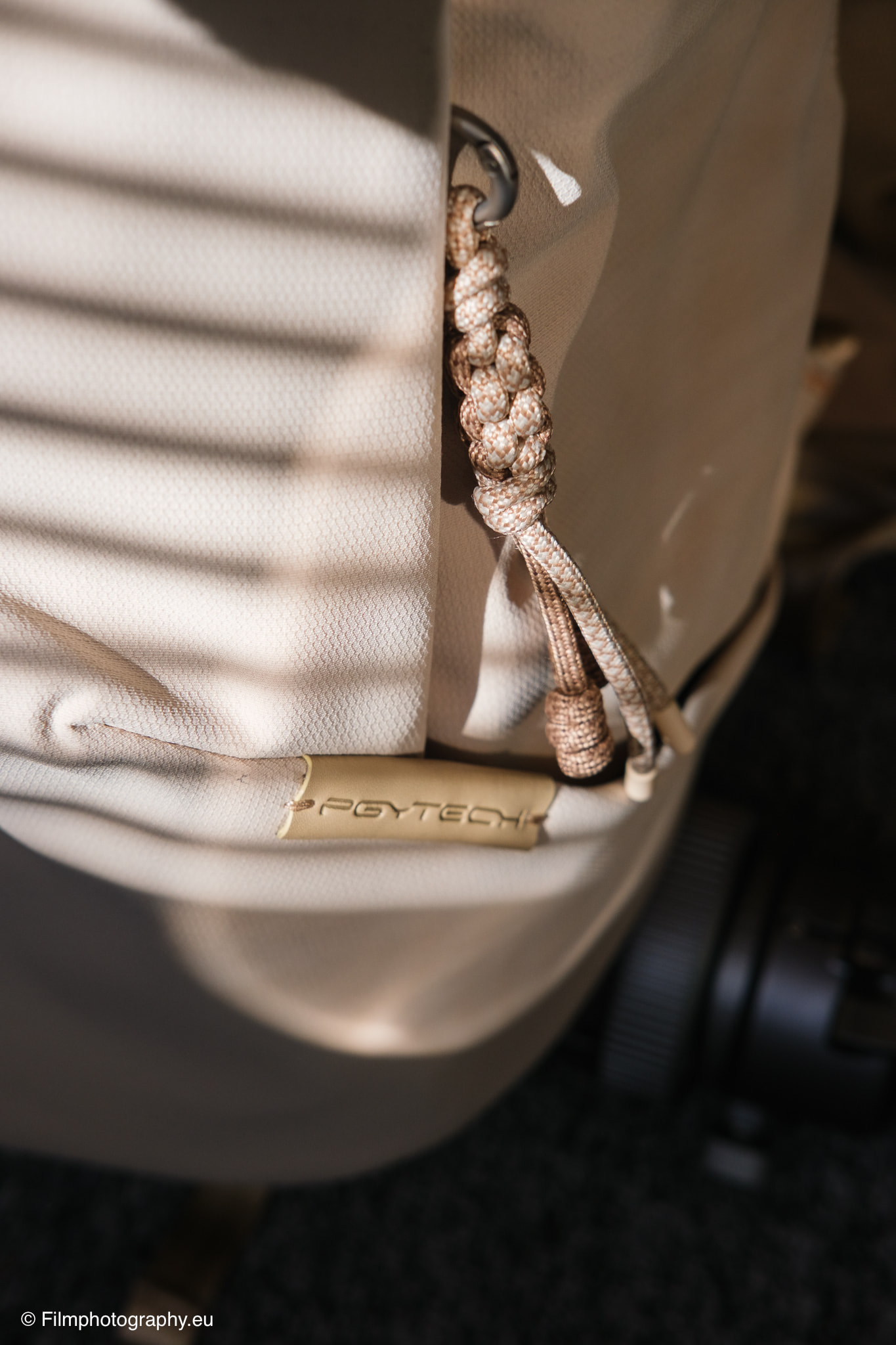
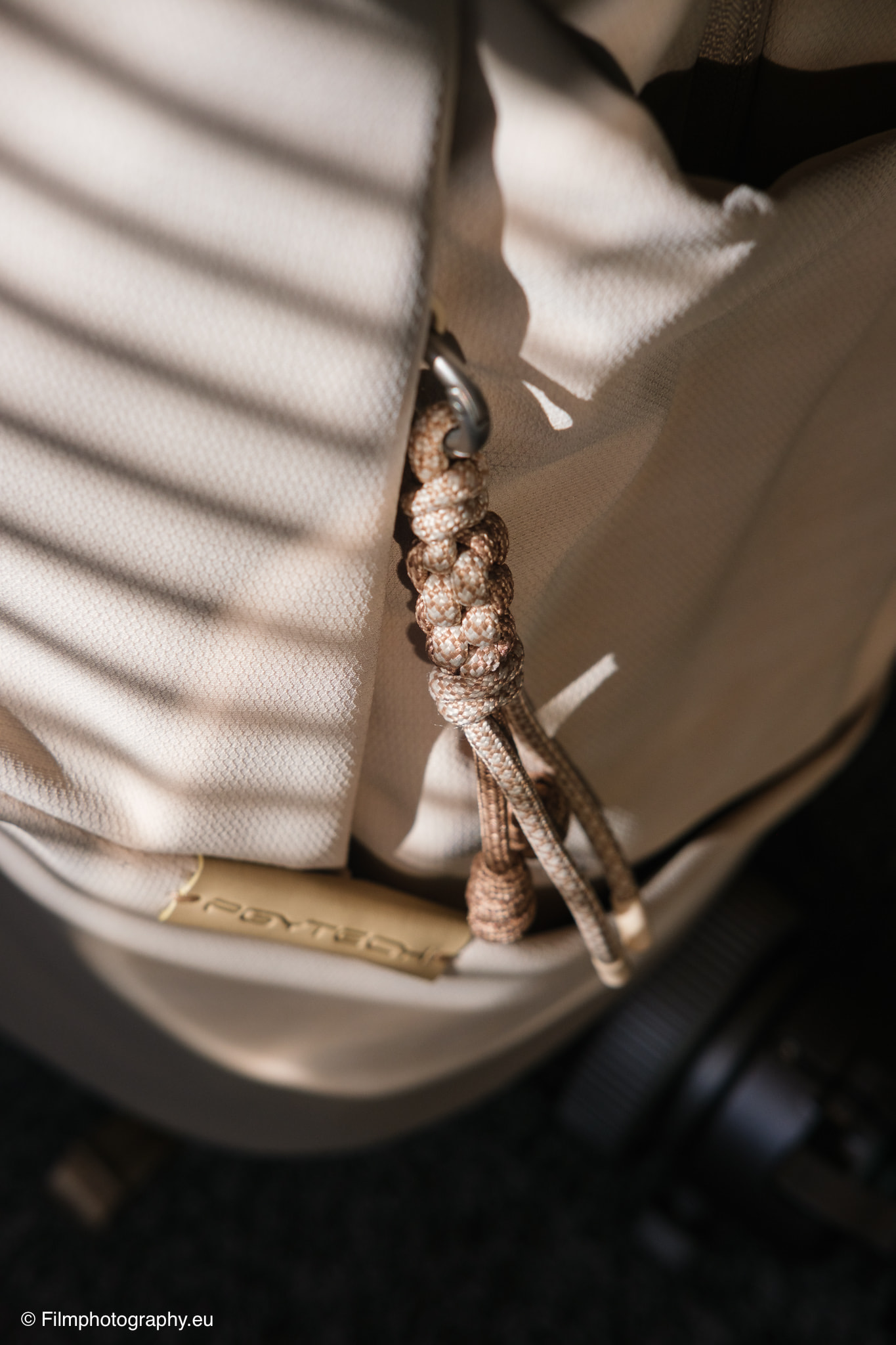
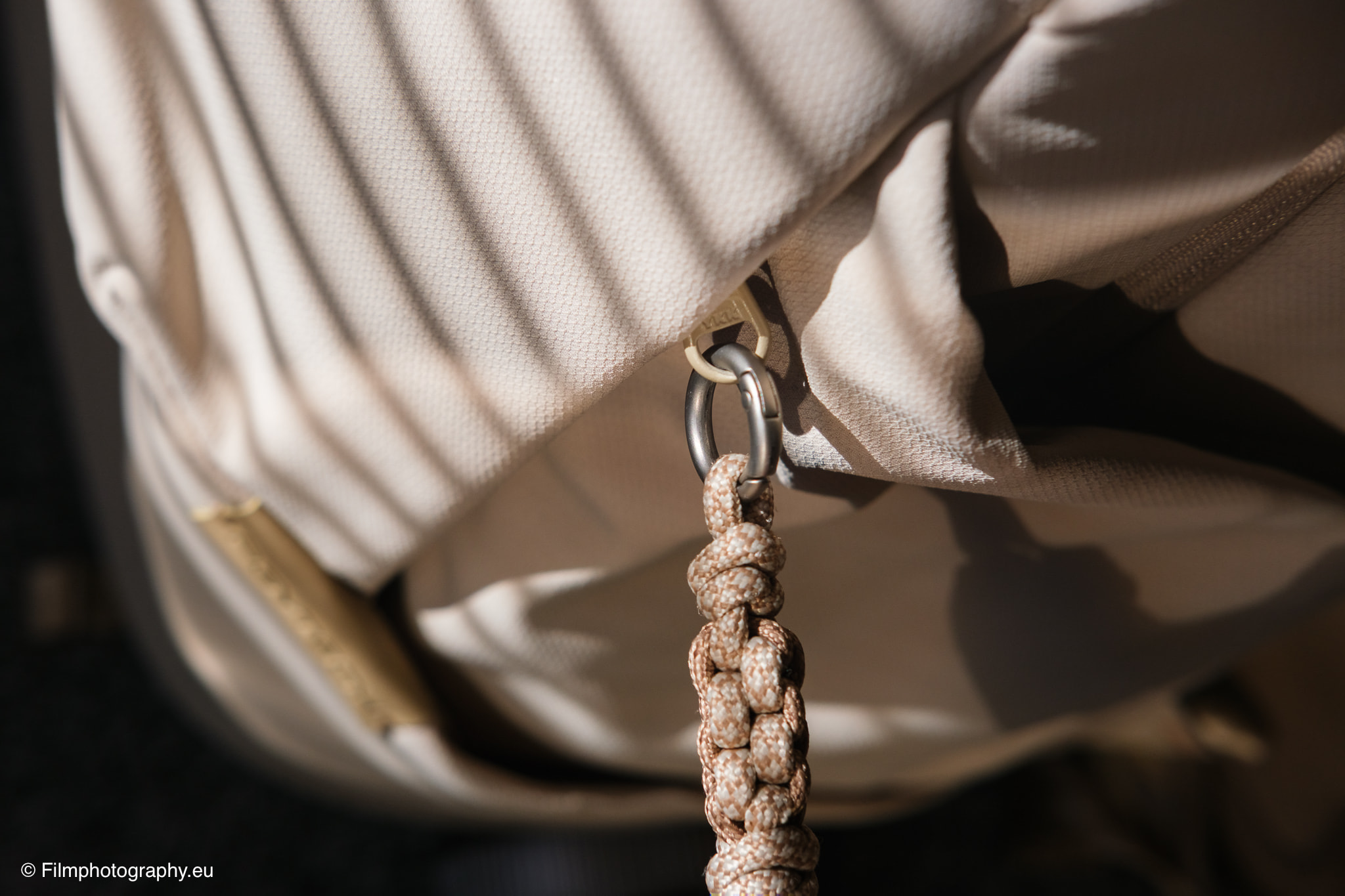
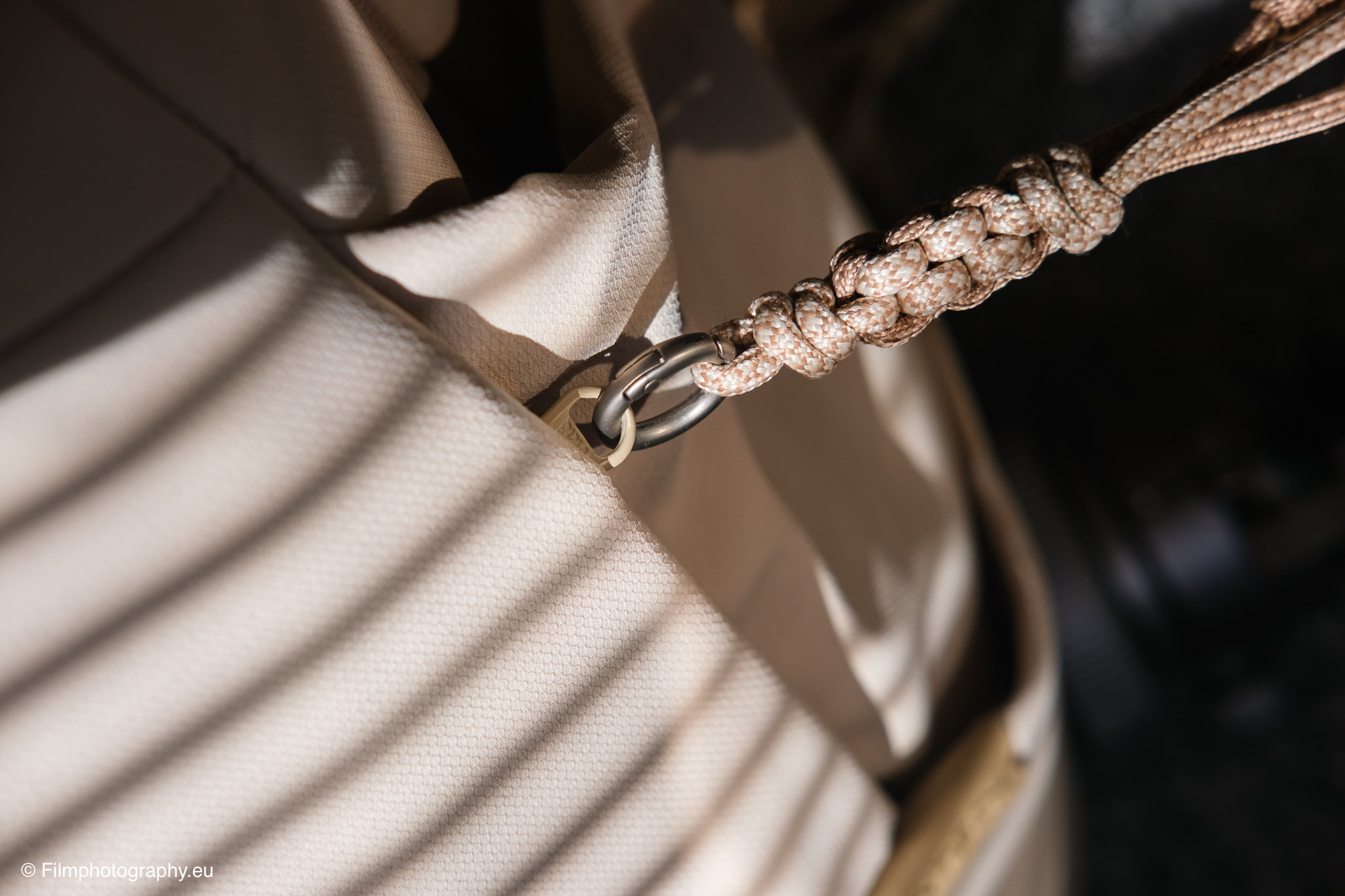
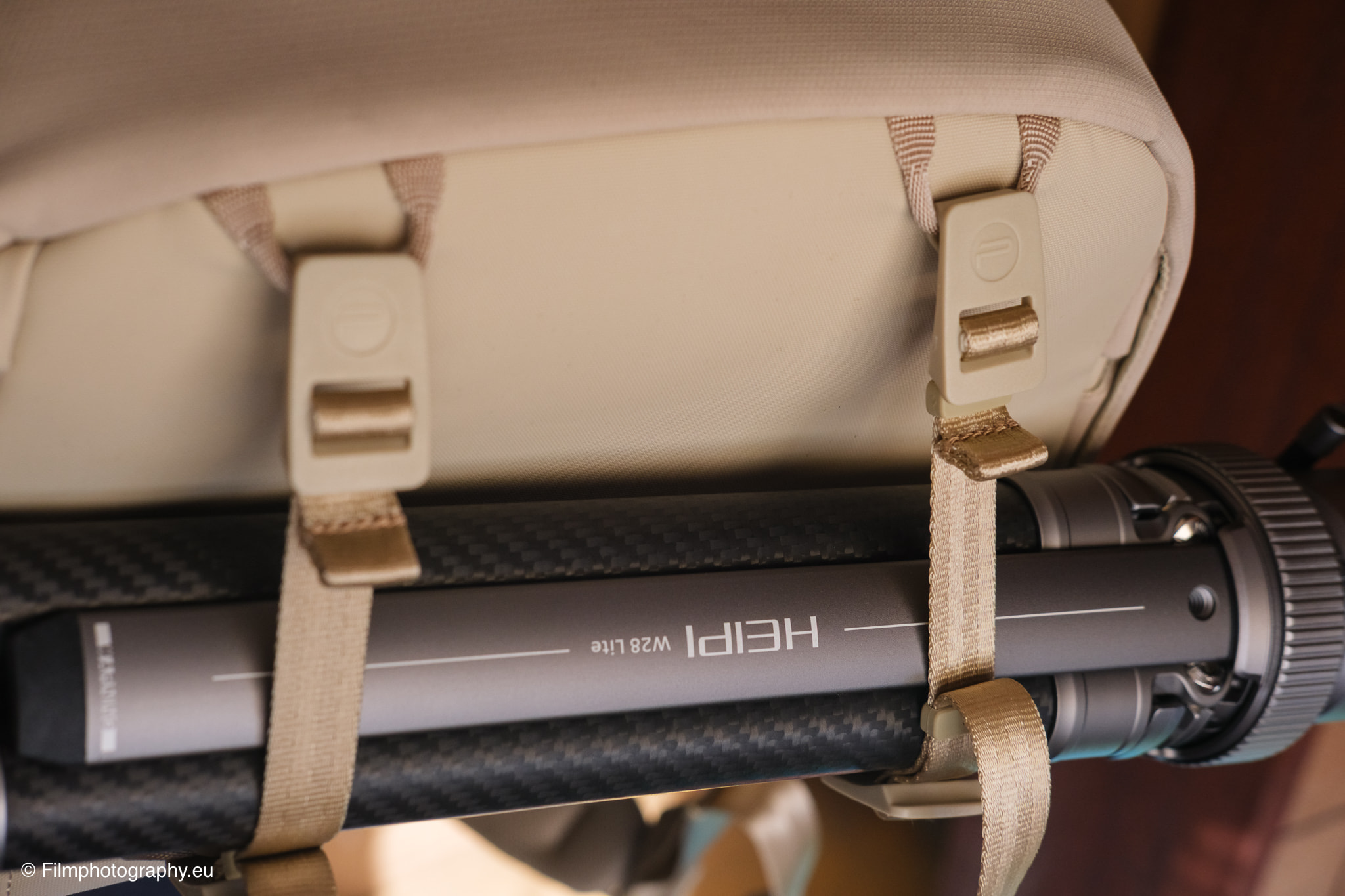
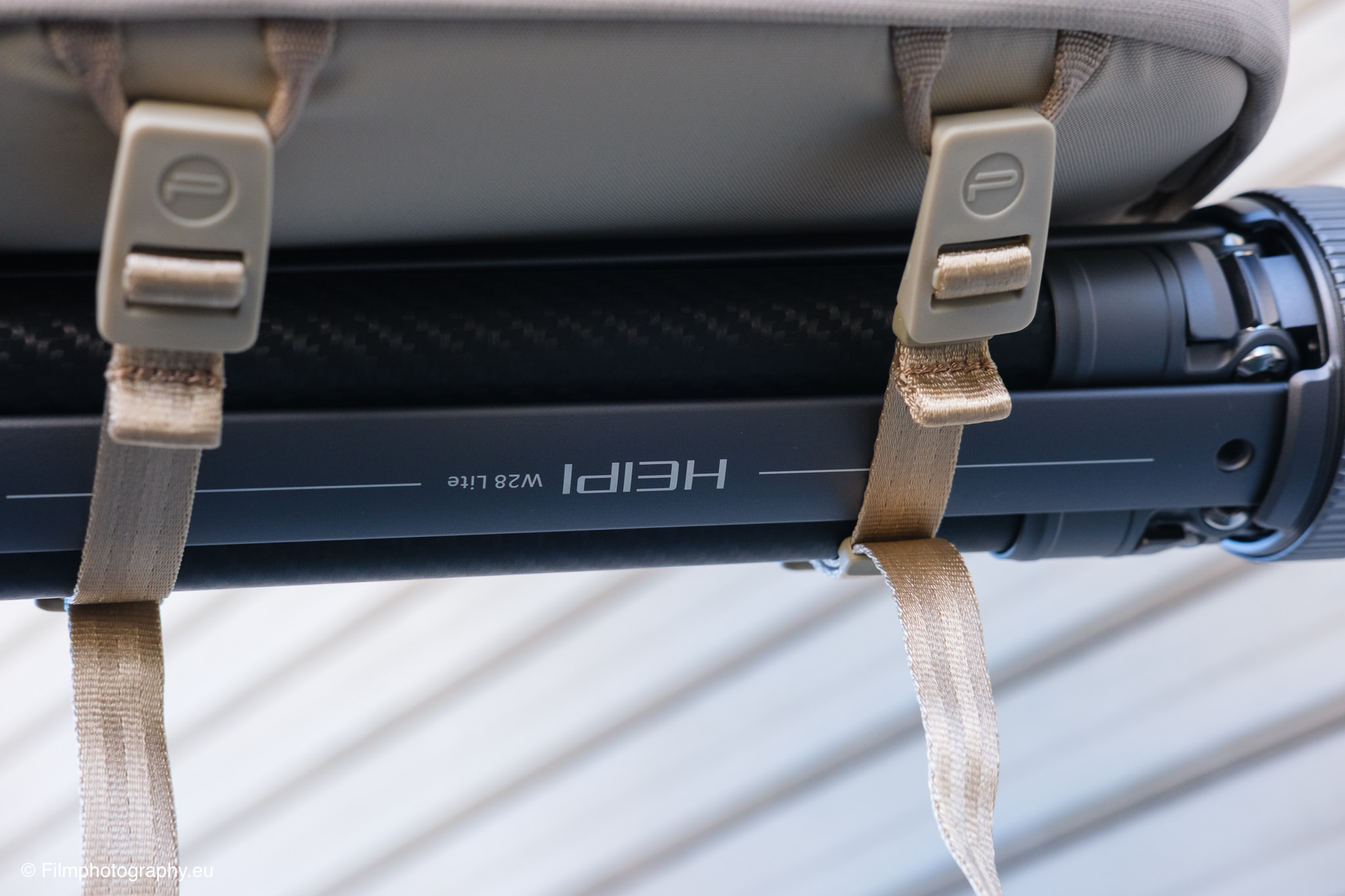
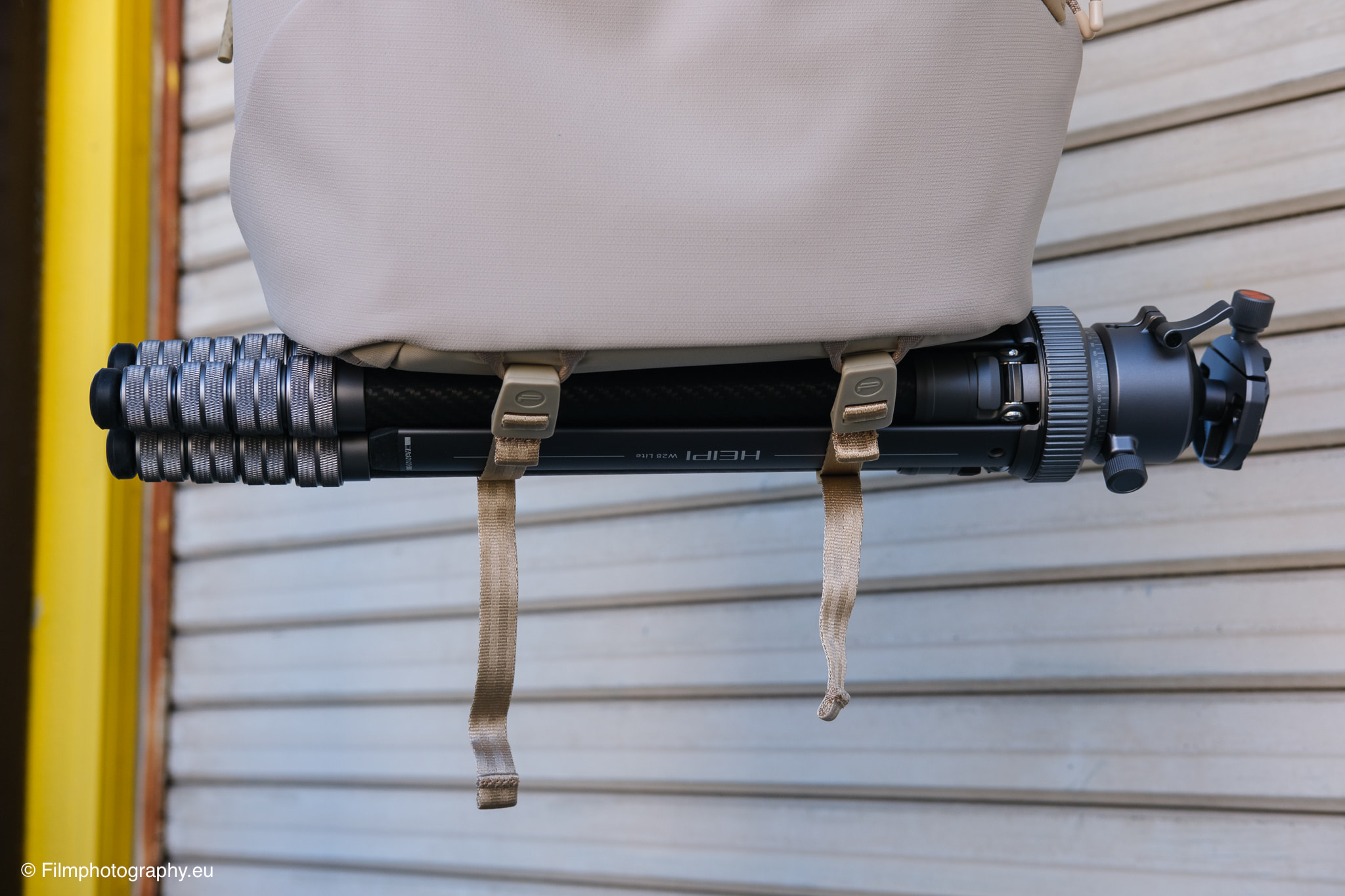
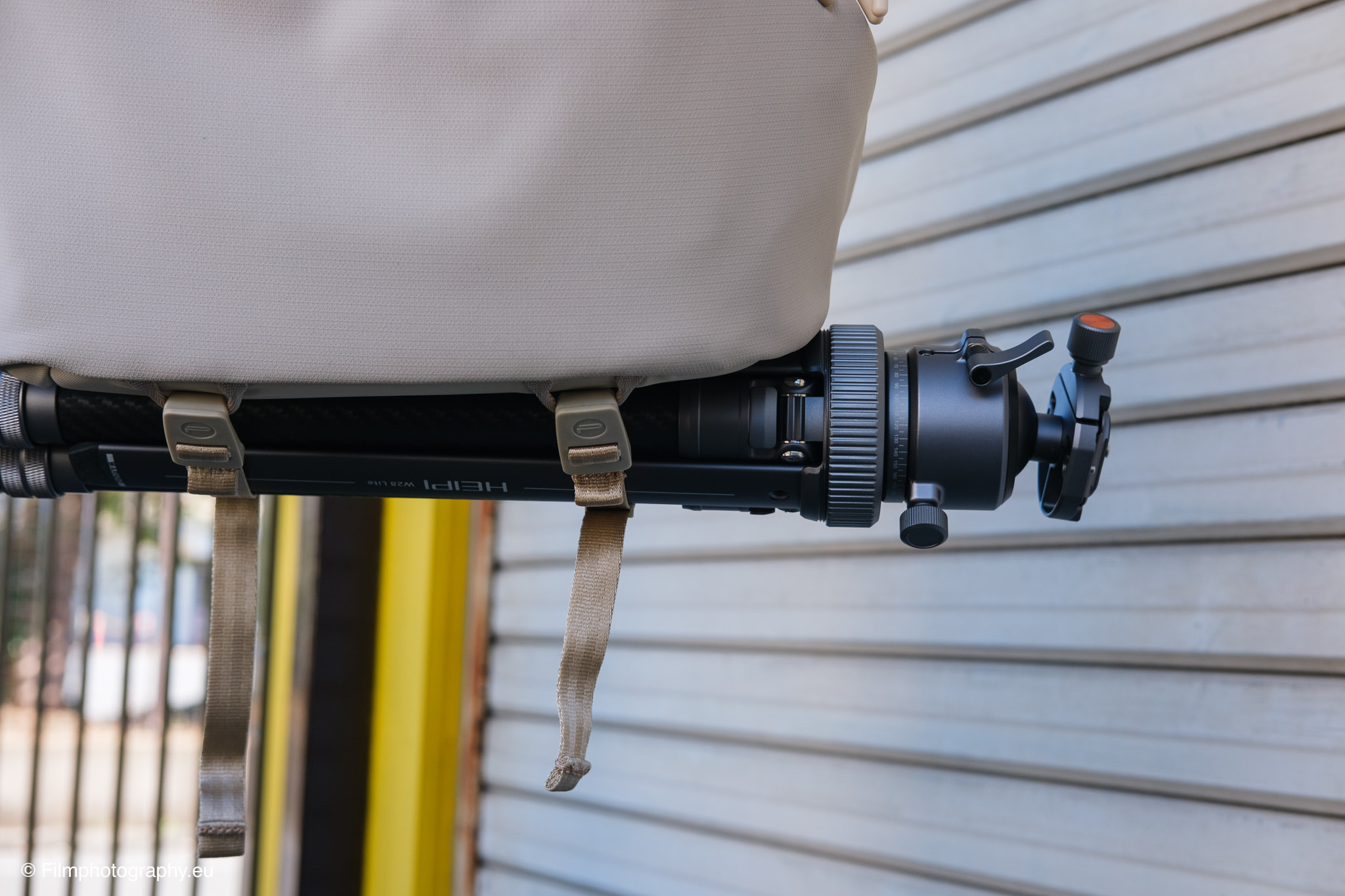
On the underside of the backpack there are loops. Two straps can be attached there. This attachment option is handy when the side pockets are already occupied and a tripod still needs to come along, or when a wet tripod after a rainy day shouldn't go wet into the interior. A rolled-up jacket or a thin blanket can also be secured there easily.
In Practice
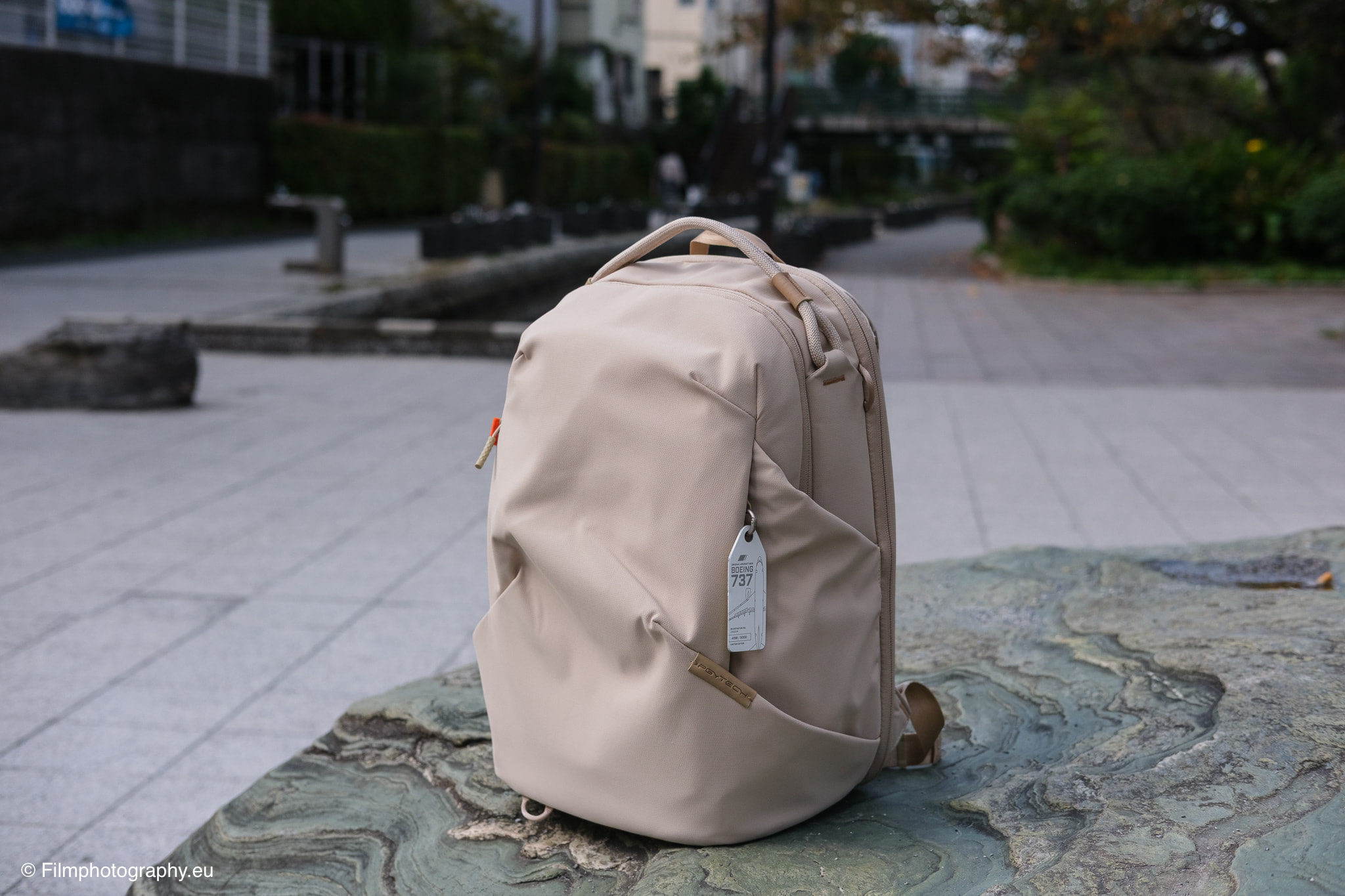
The perfect photo backpack for travel?
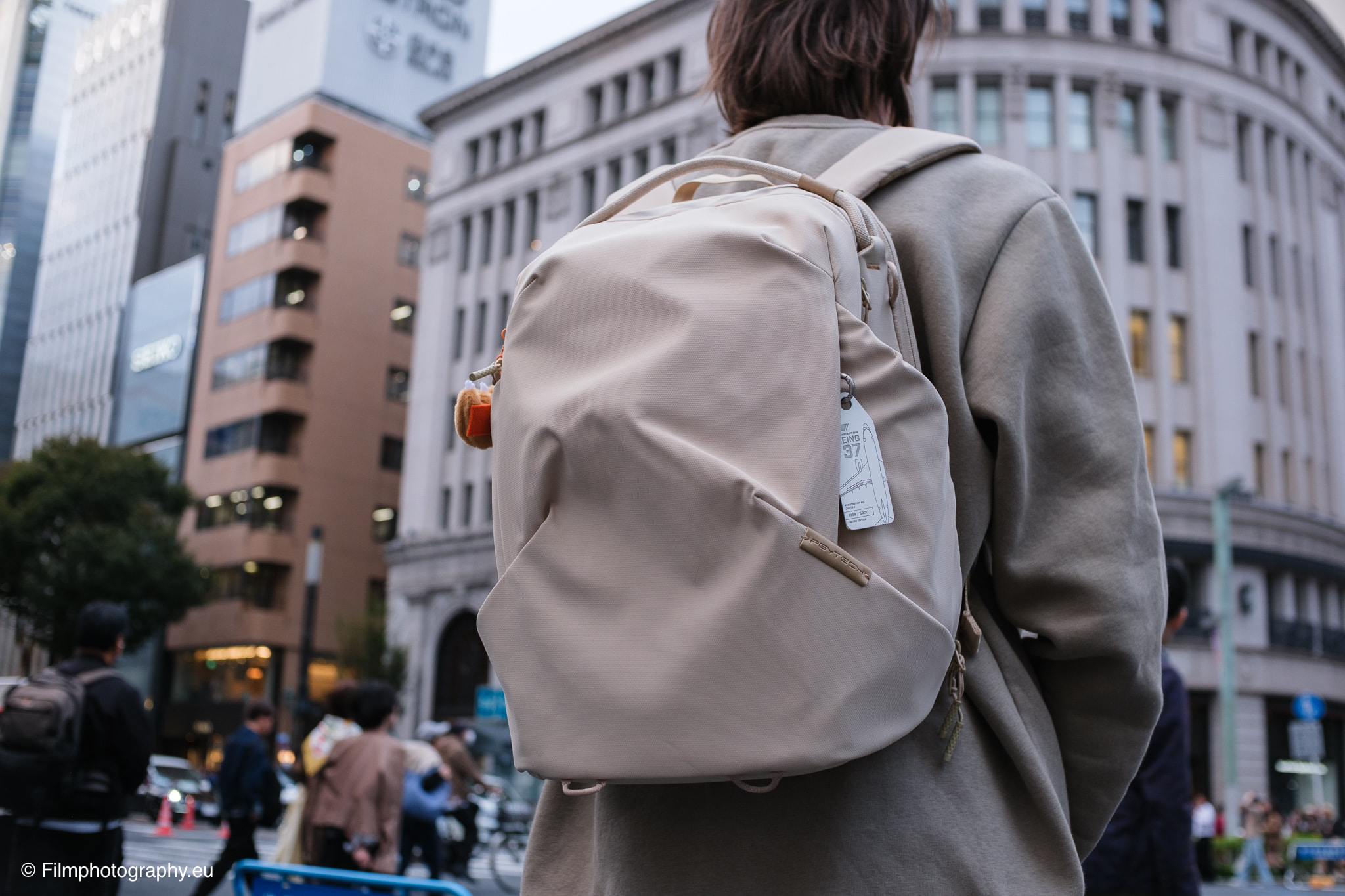
On trips, the OneGo Lite mainly impresses with its versatility. In everyday use, among narrow alleys, trains and quiet parks, the cream backpack never looked like a typical camera bag. It hardly draws attention, keeps the body and lenses within reach, and keeps the weight compact on your shoulders.
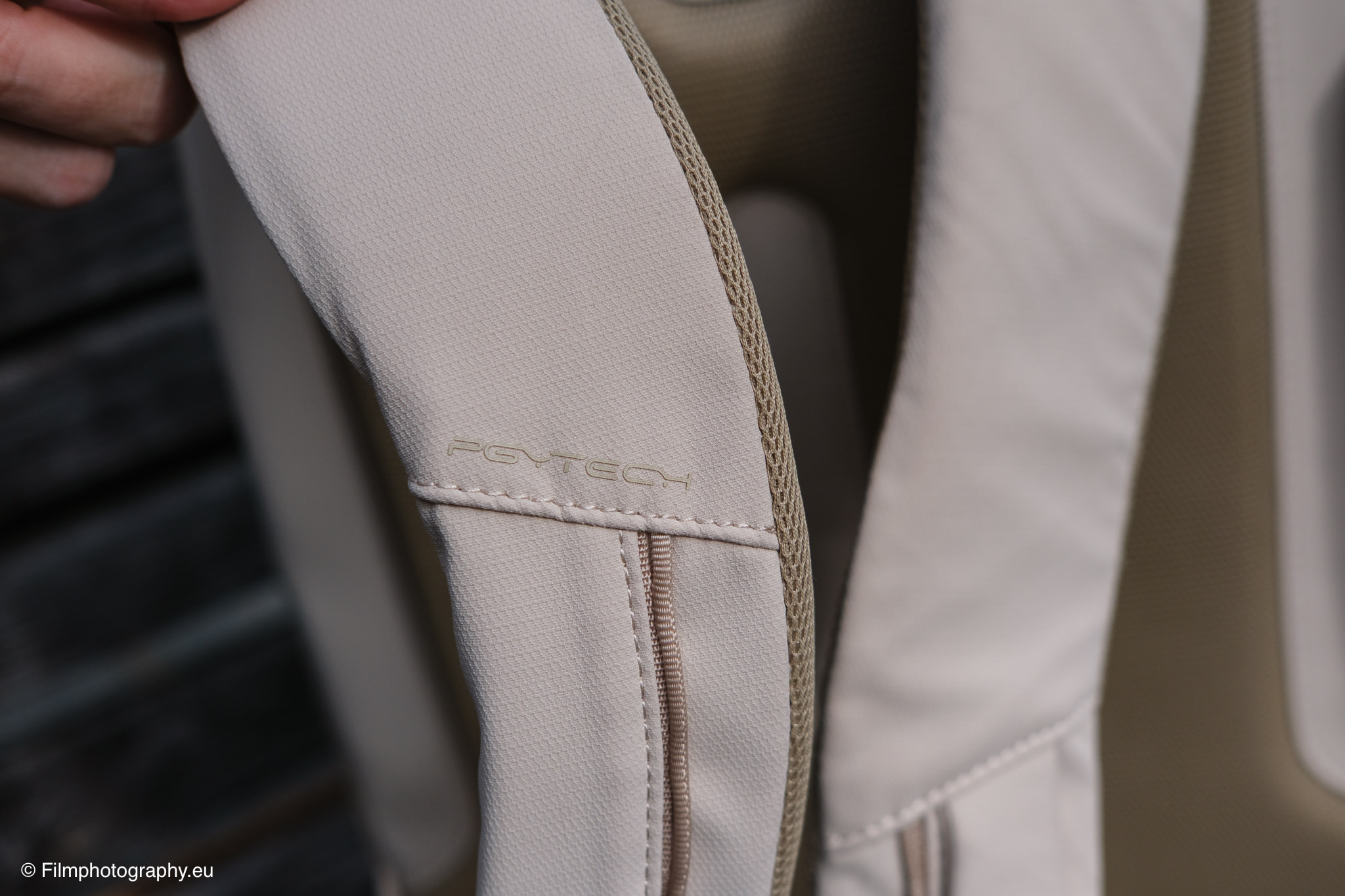
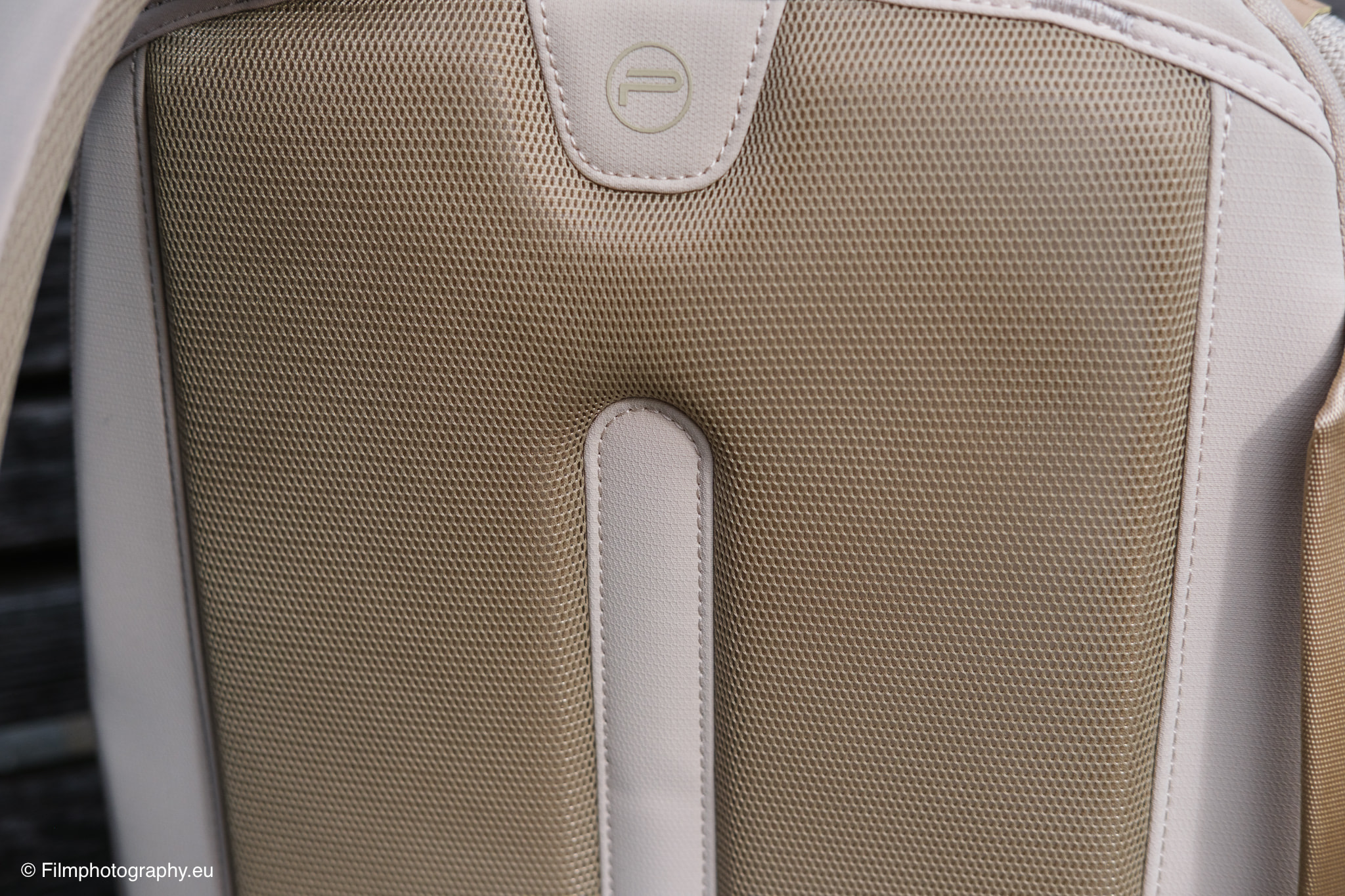
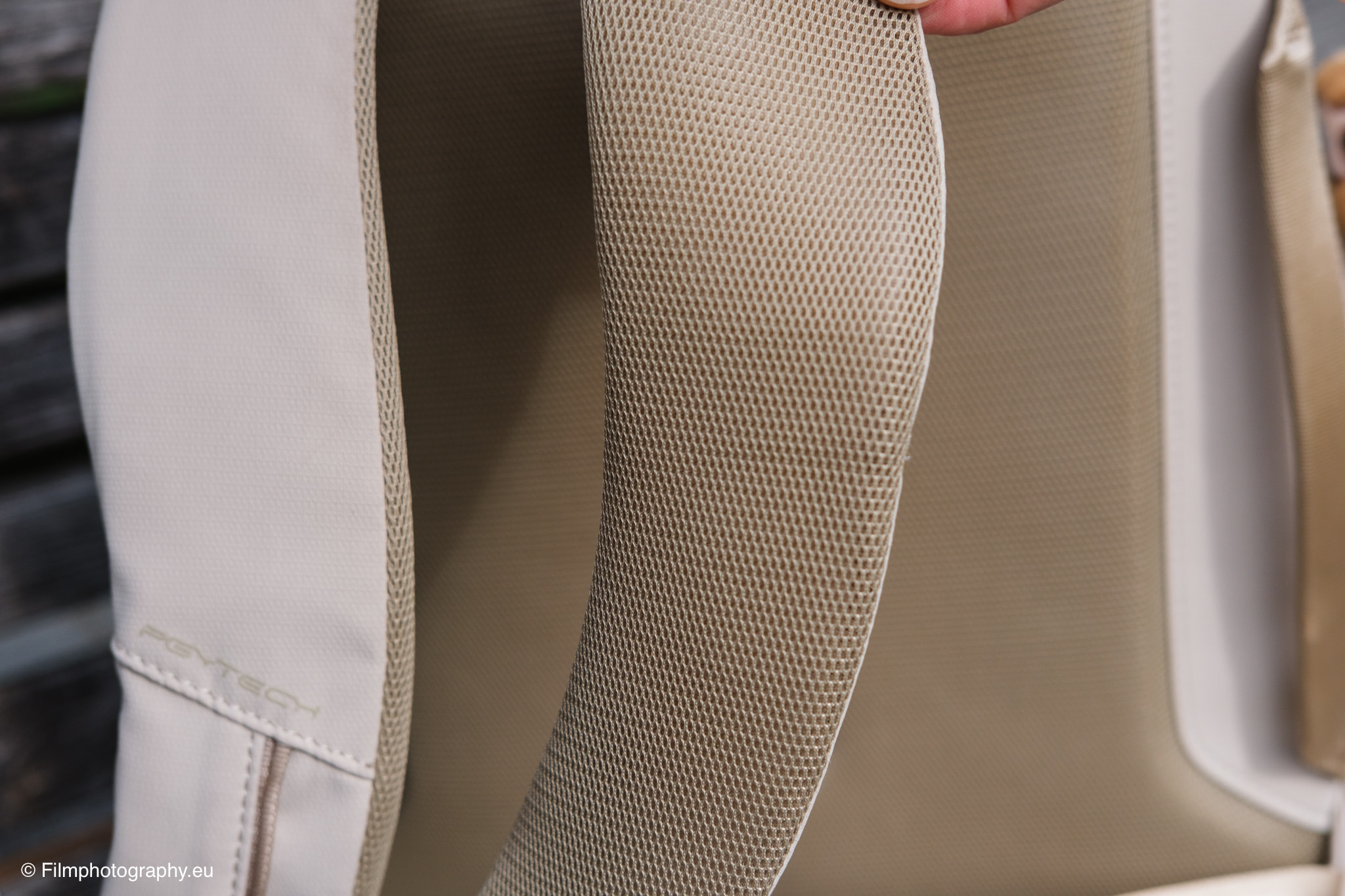
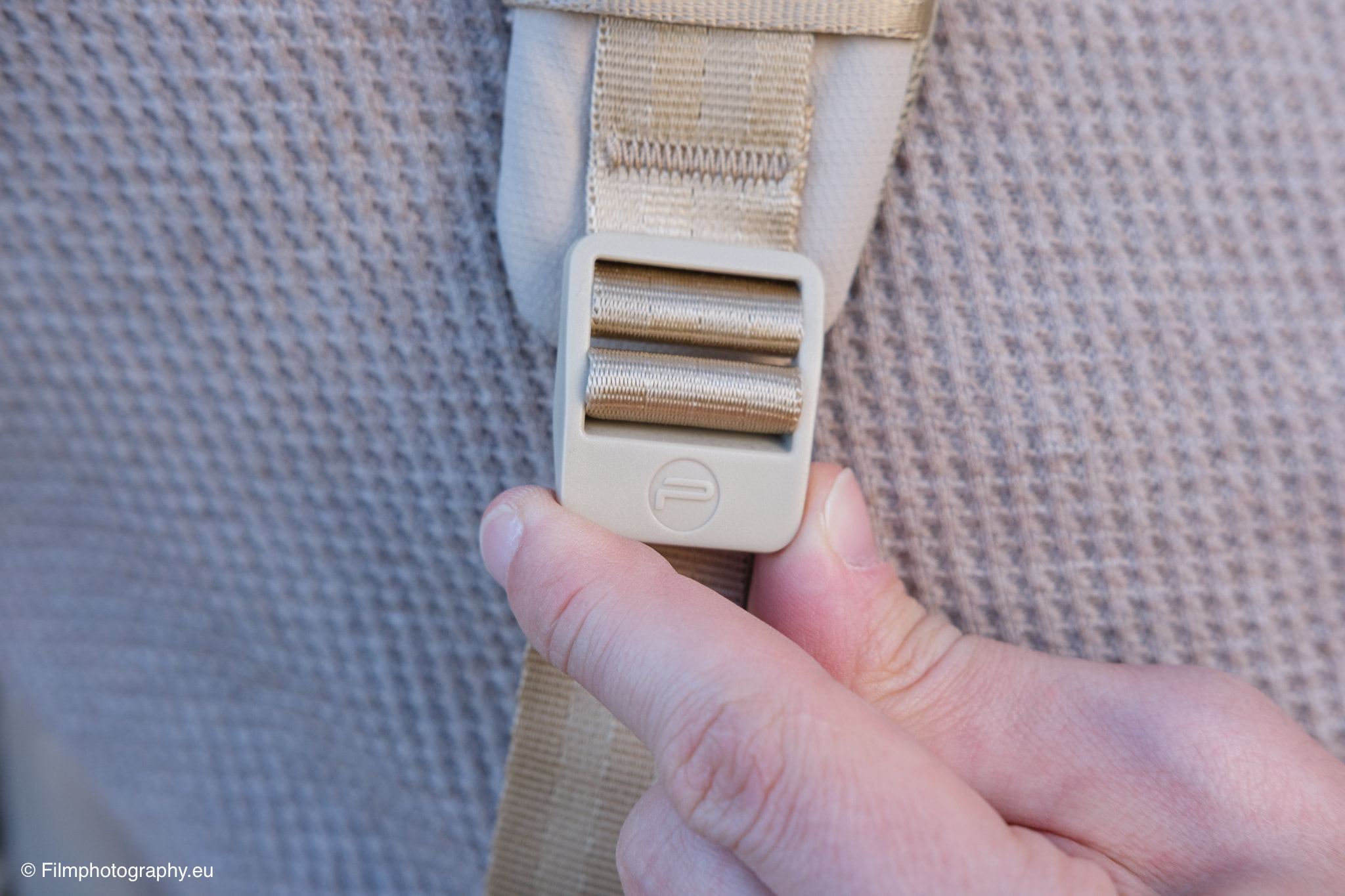
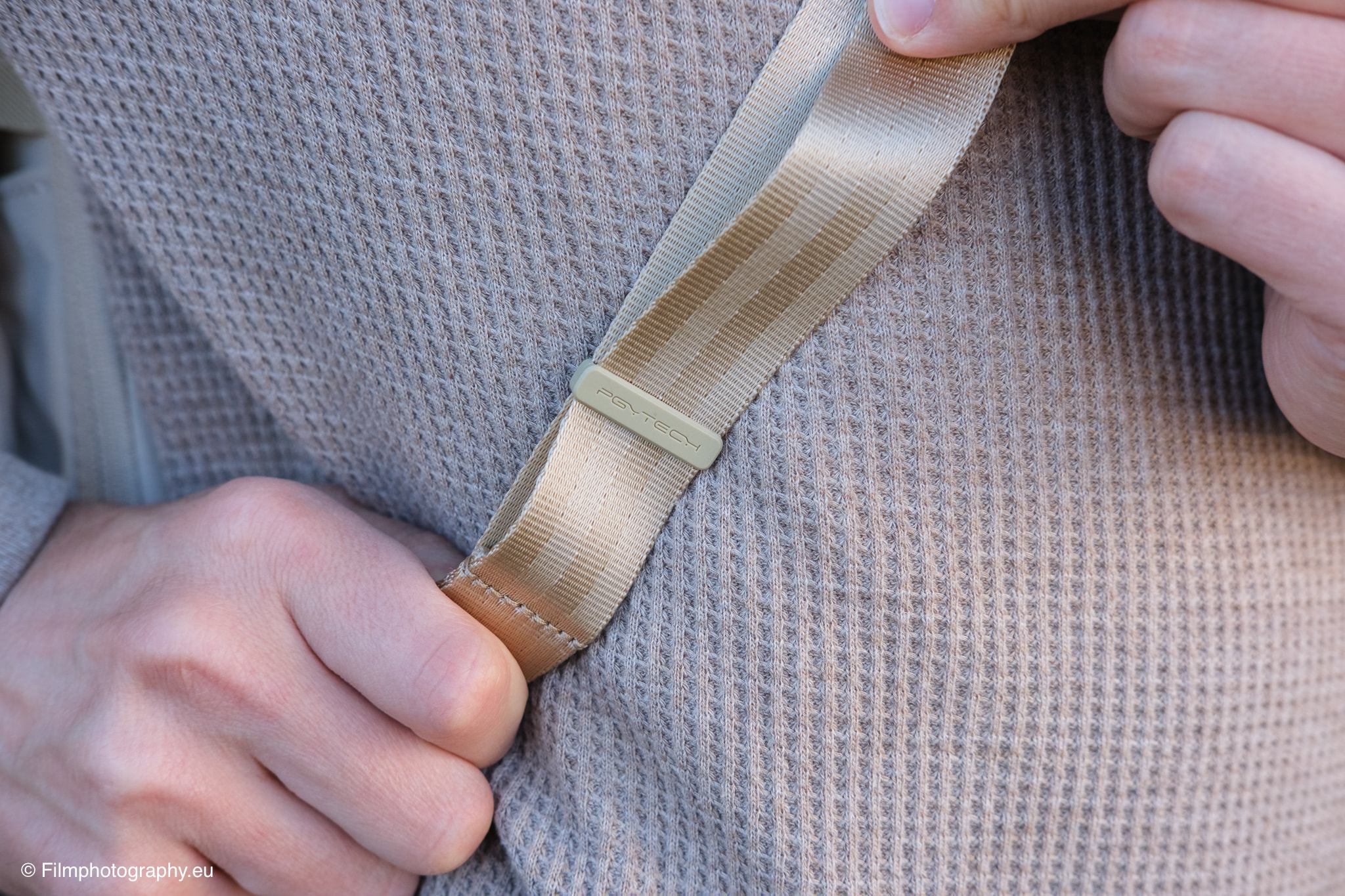
In terms of carrying comfort, the backpack holds up remarkably well even after long days on your feet. The shoulder straps are pleasantly padded for the compact size, so even when fully loaded with a camera body, two lenses and a laptop, no uncomfortable pressure points arise.
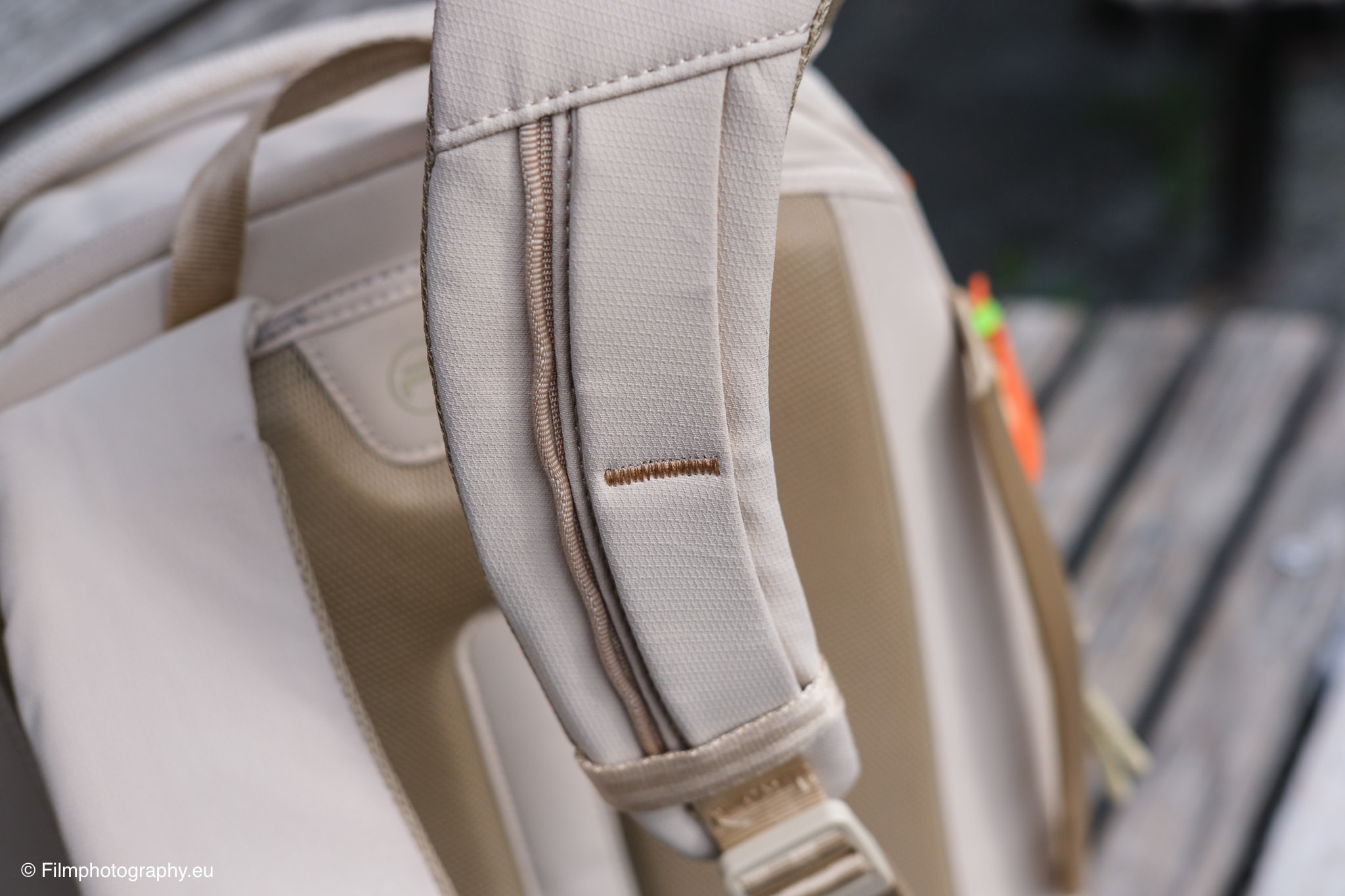
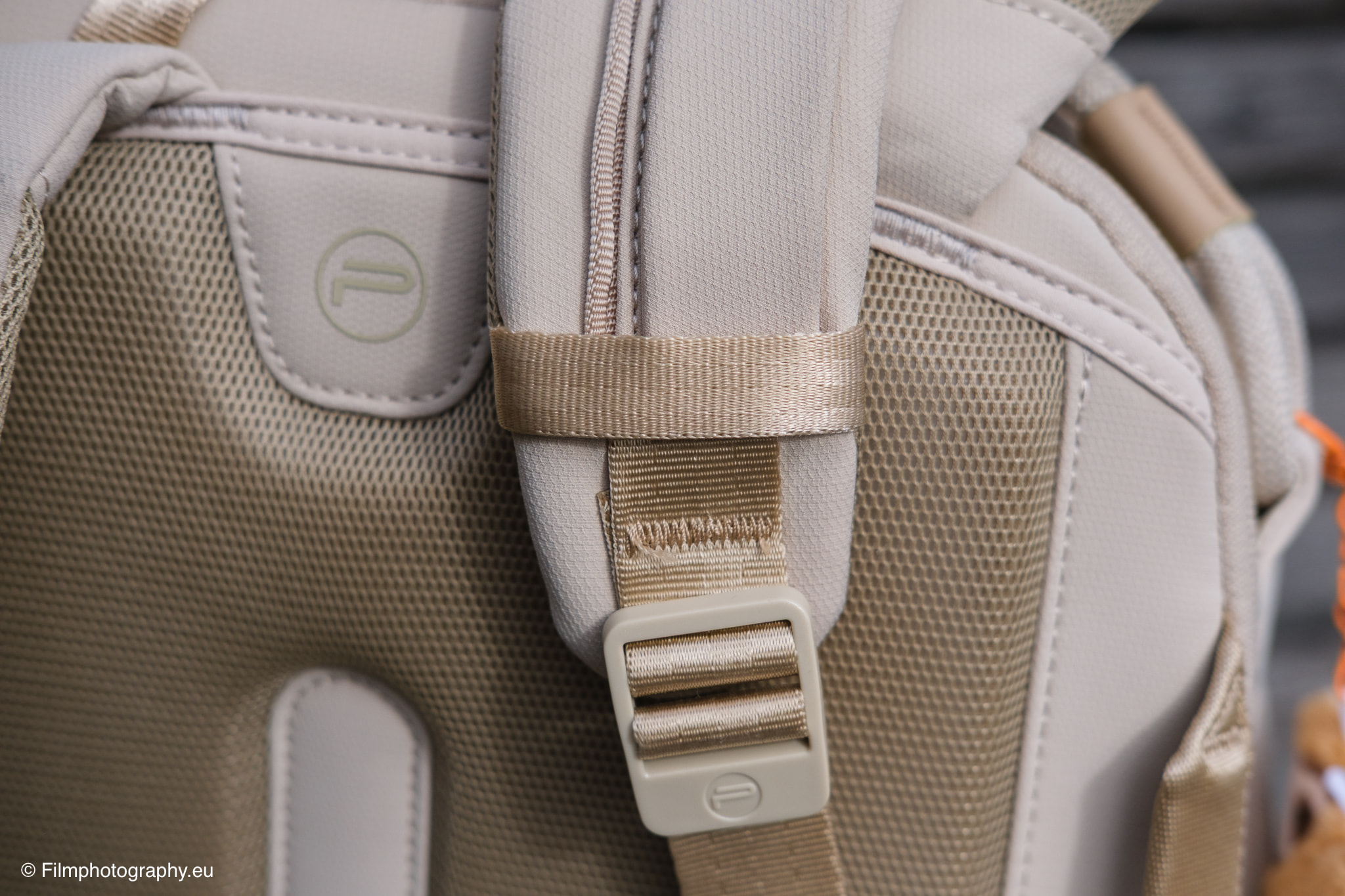
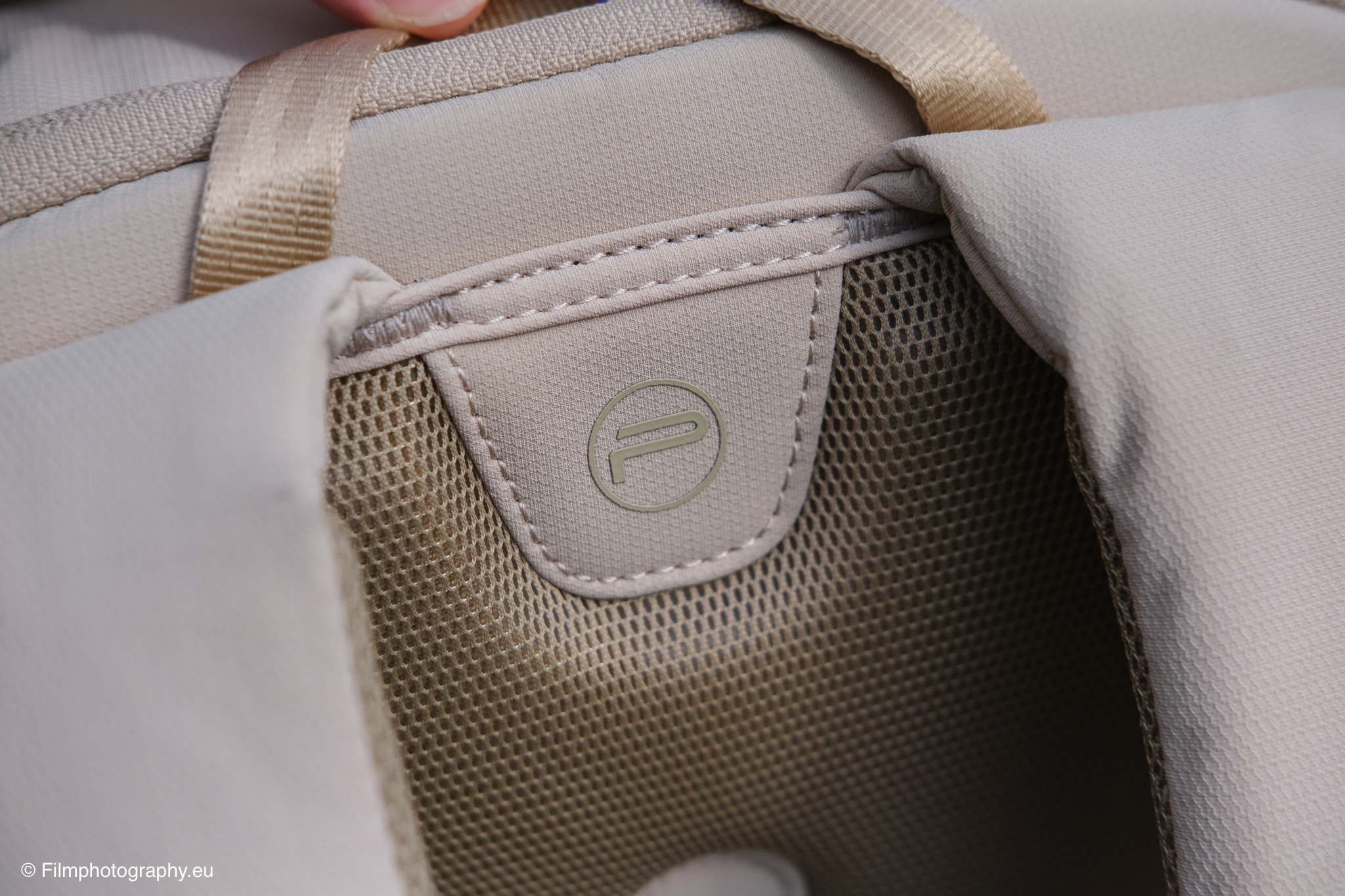
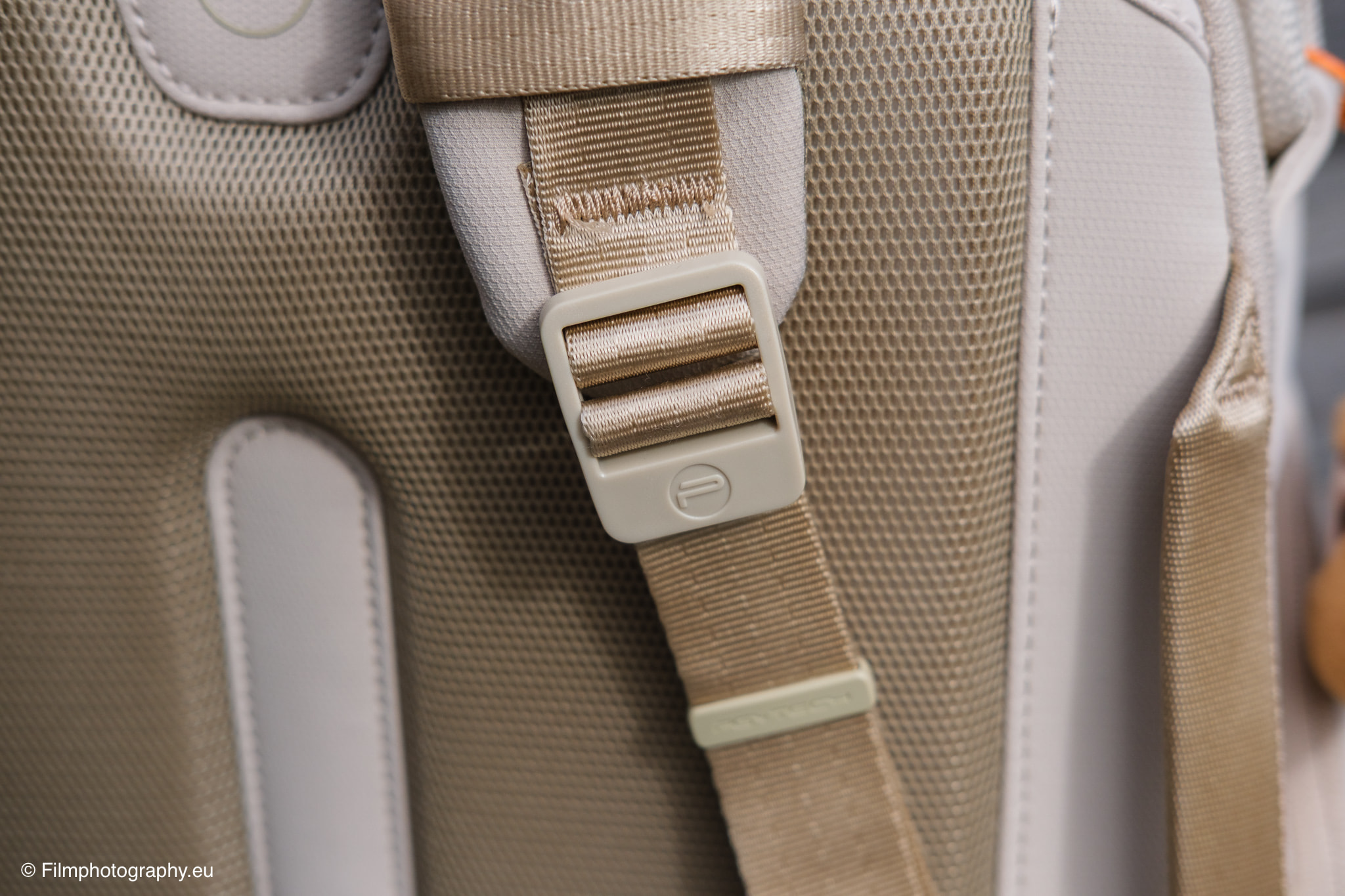
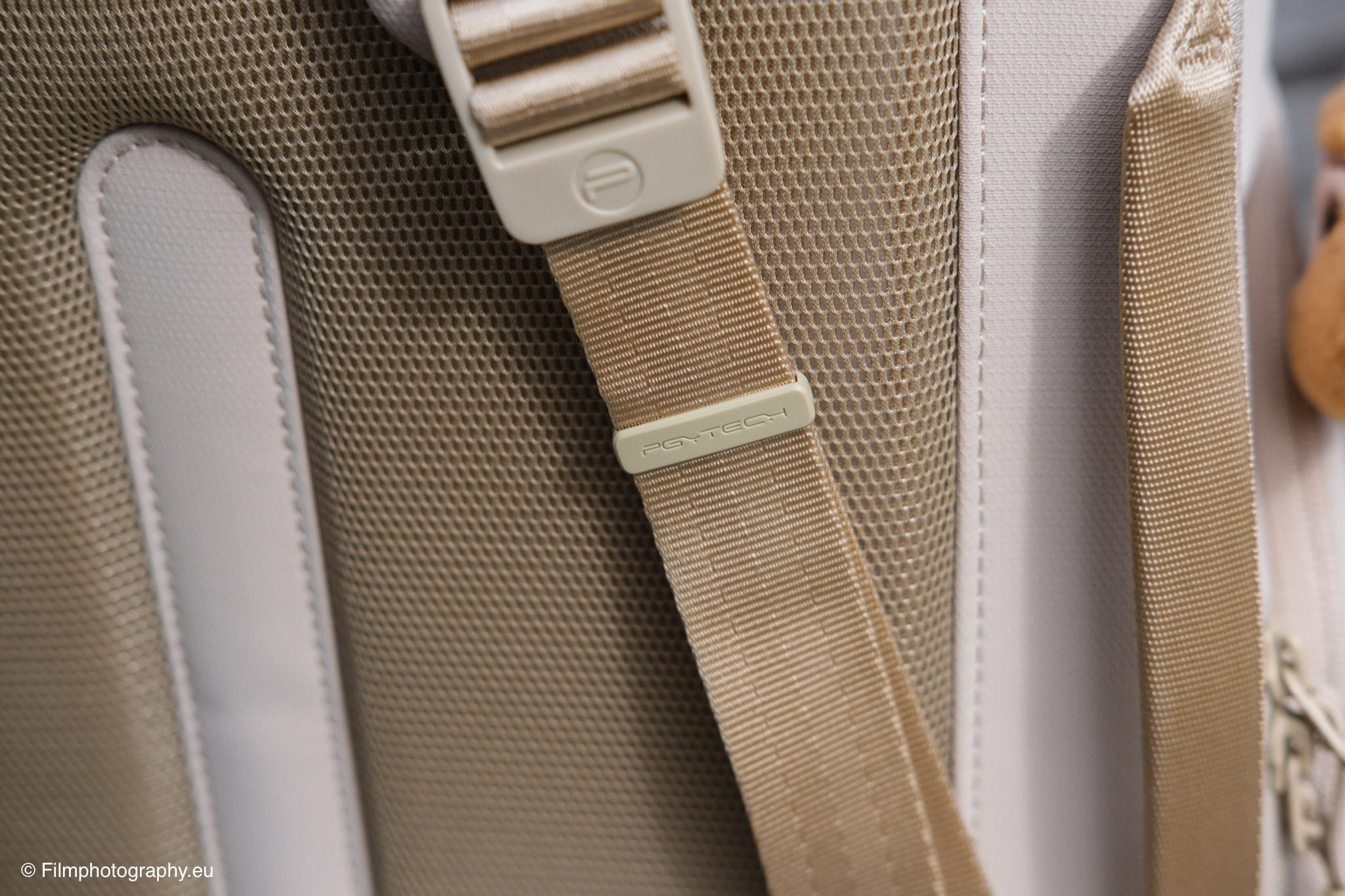
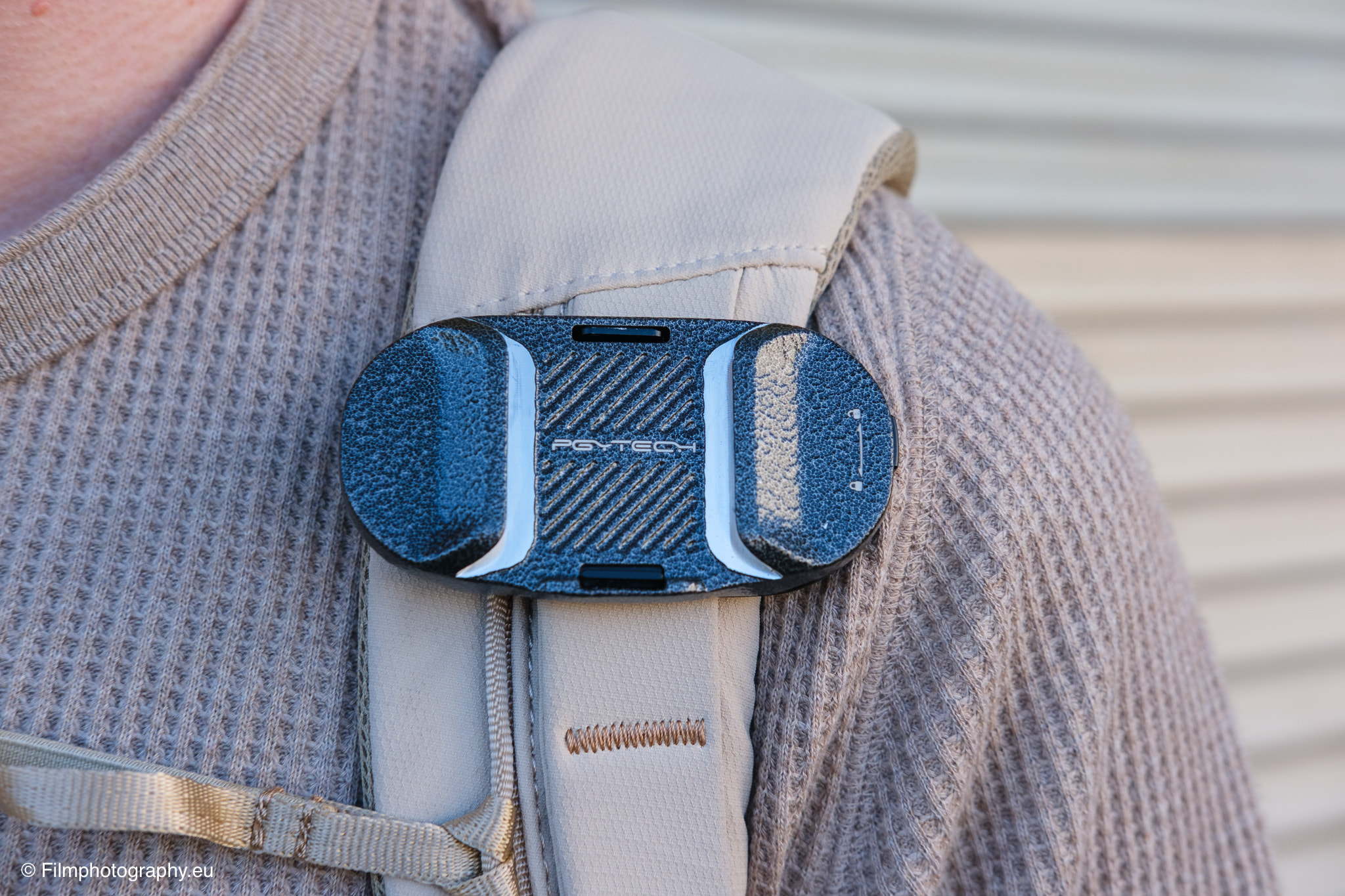
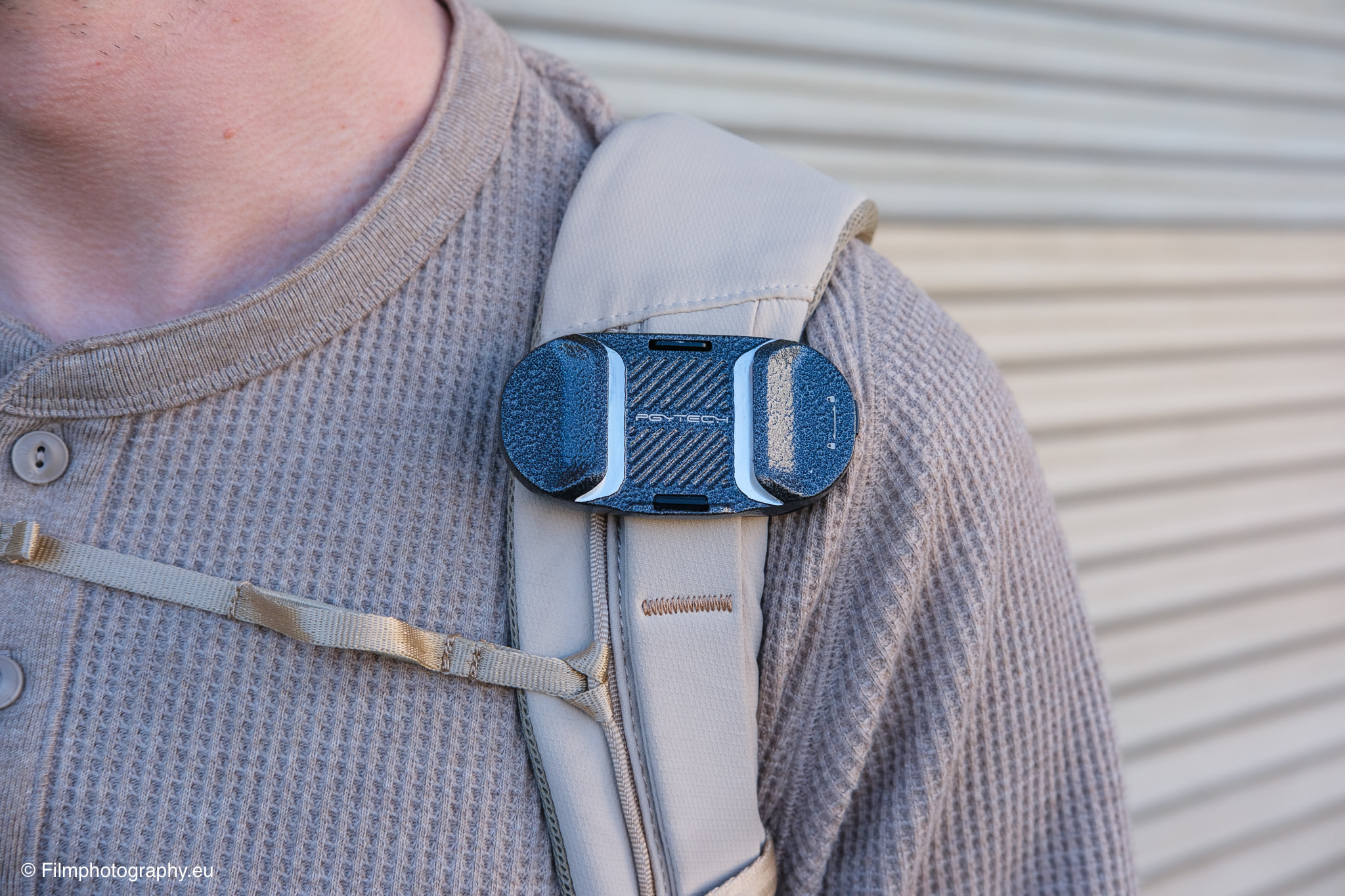
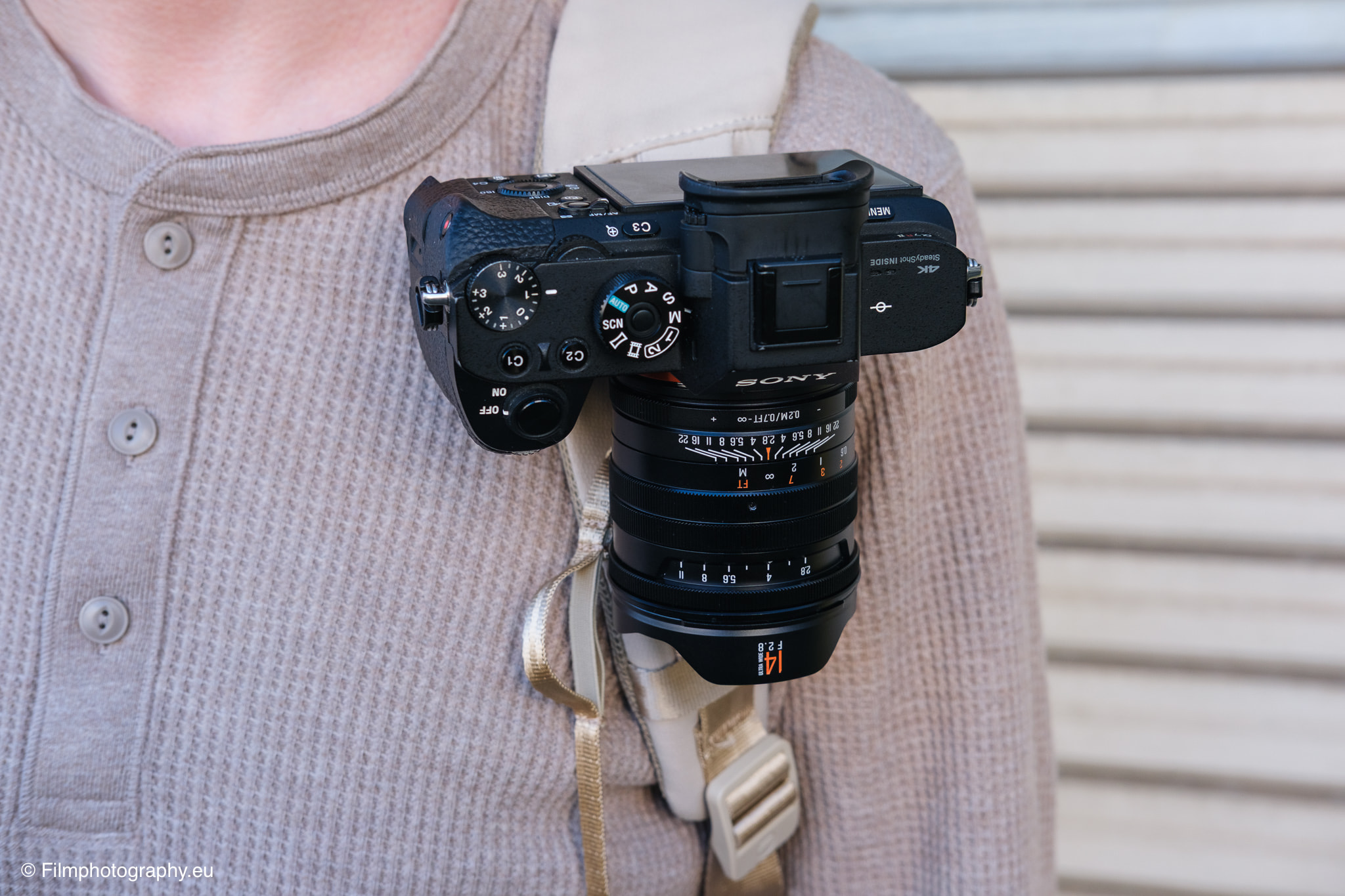
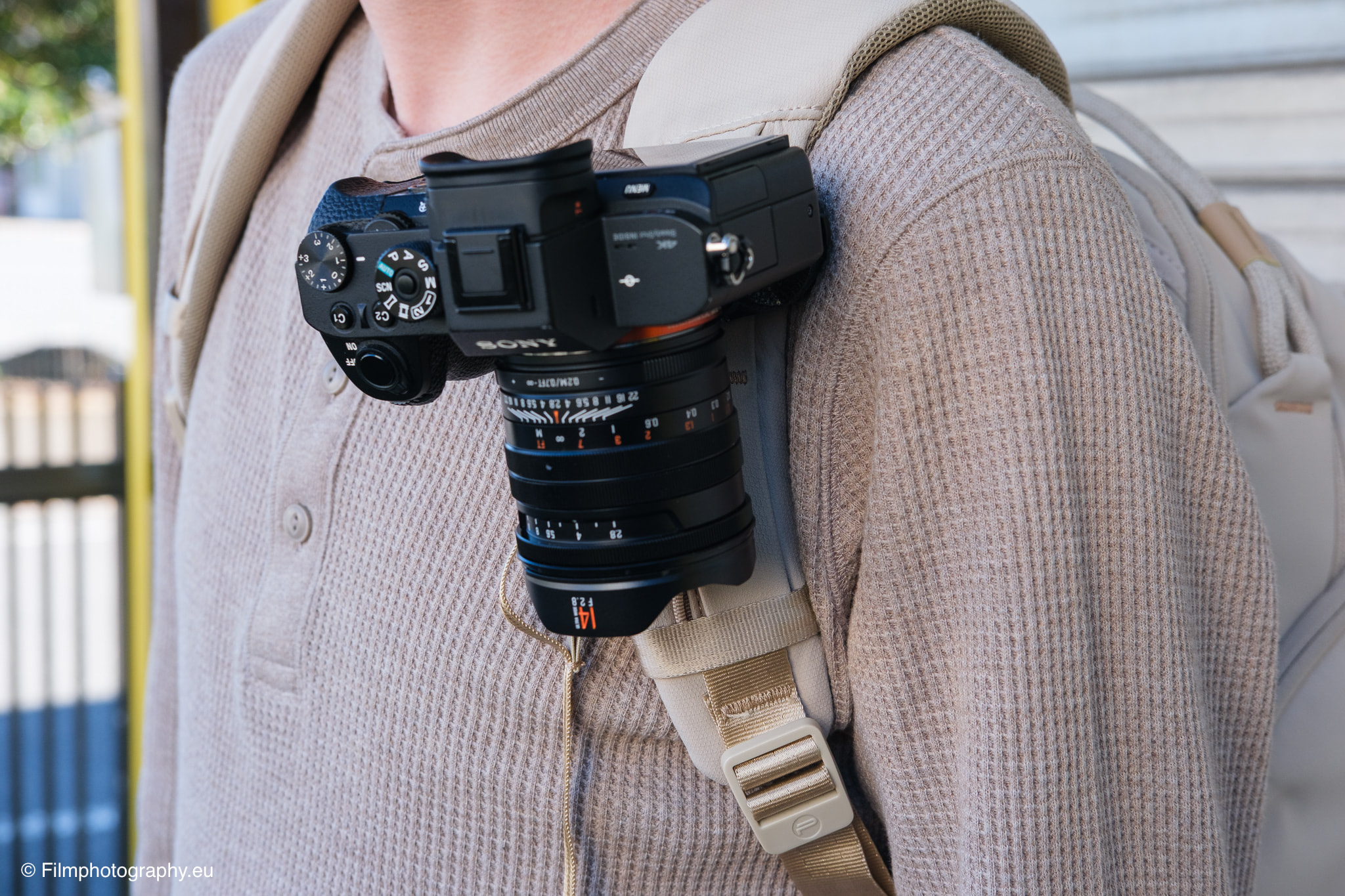
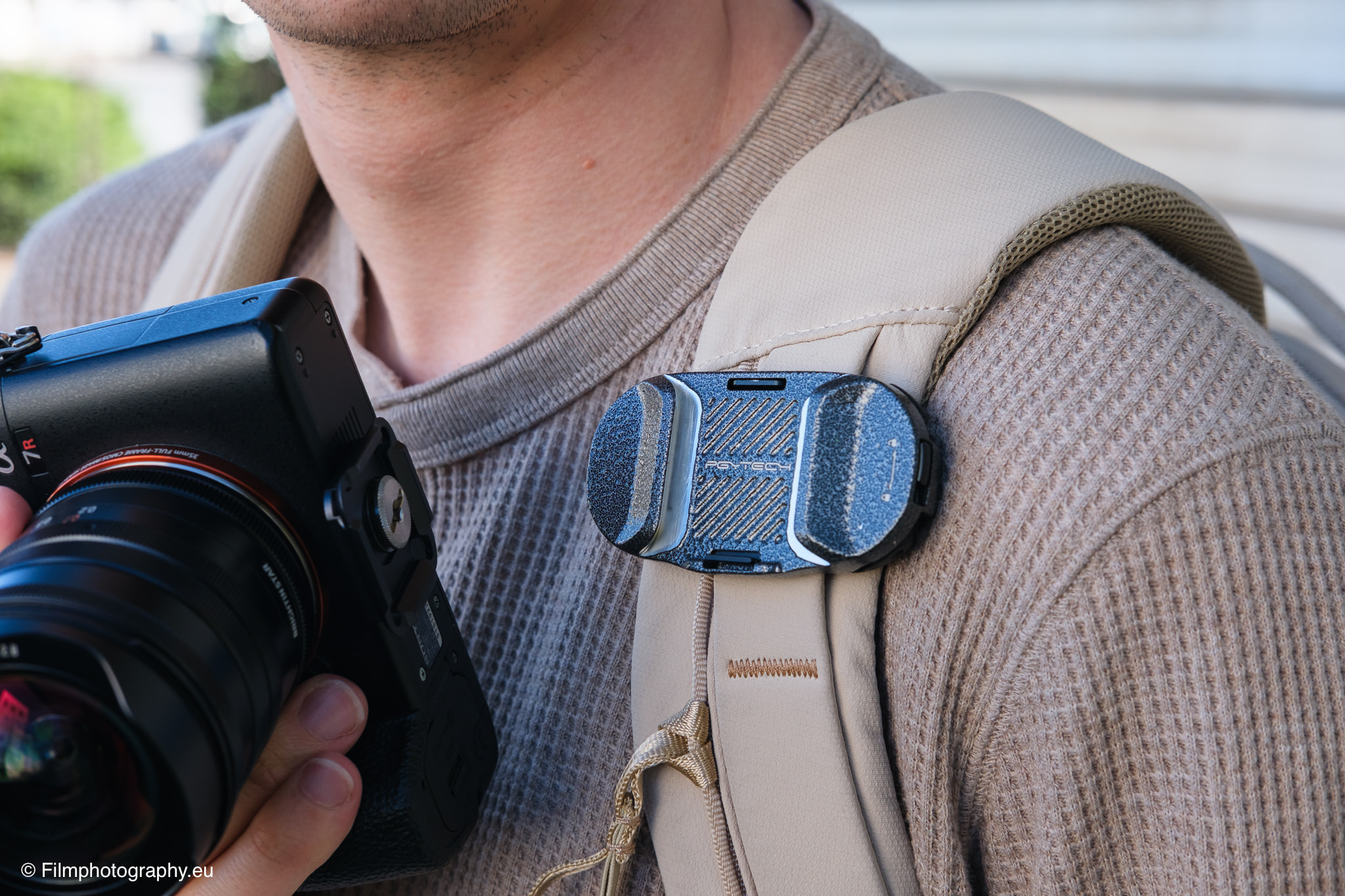
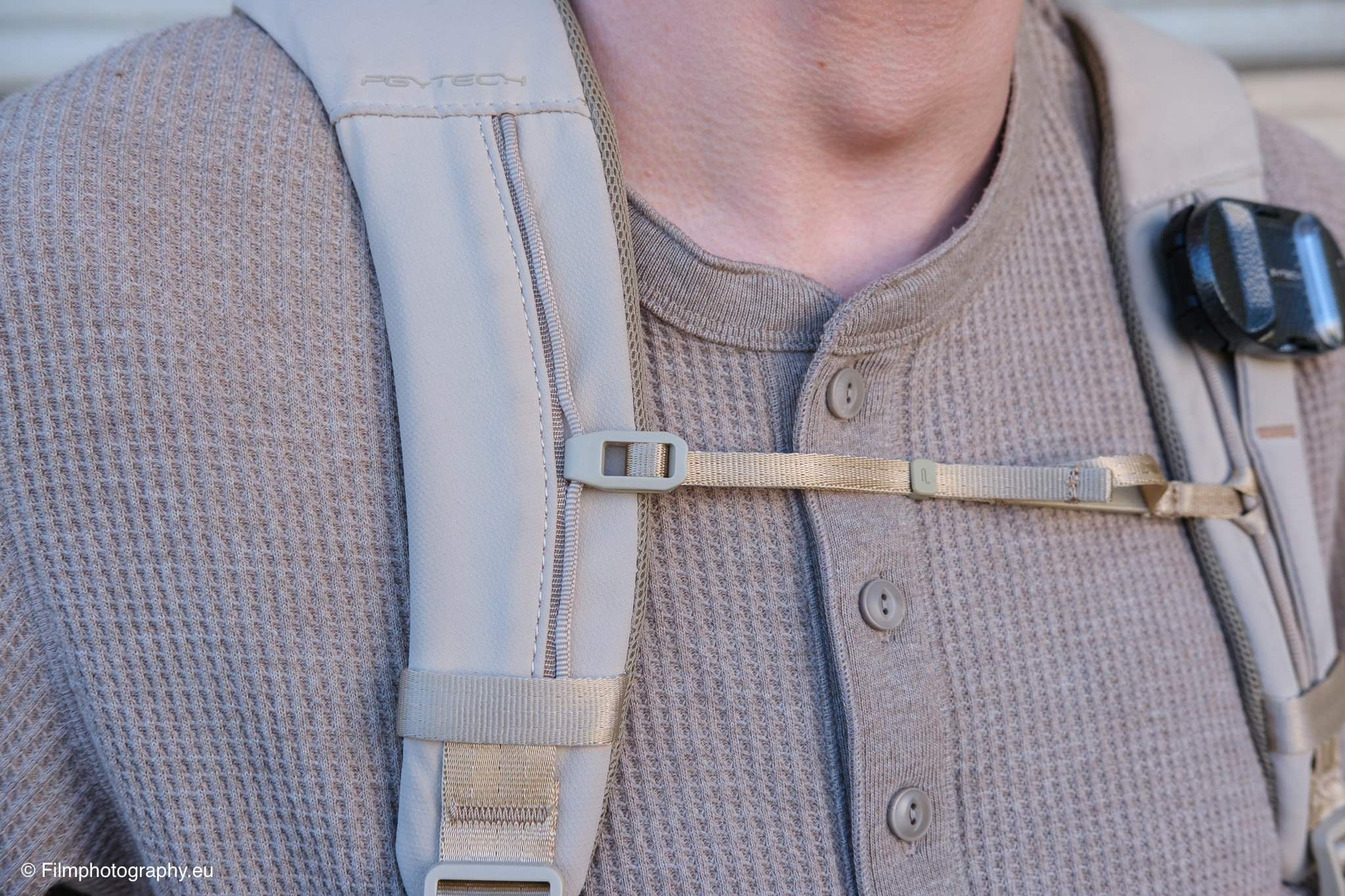
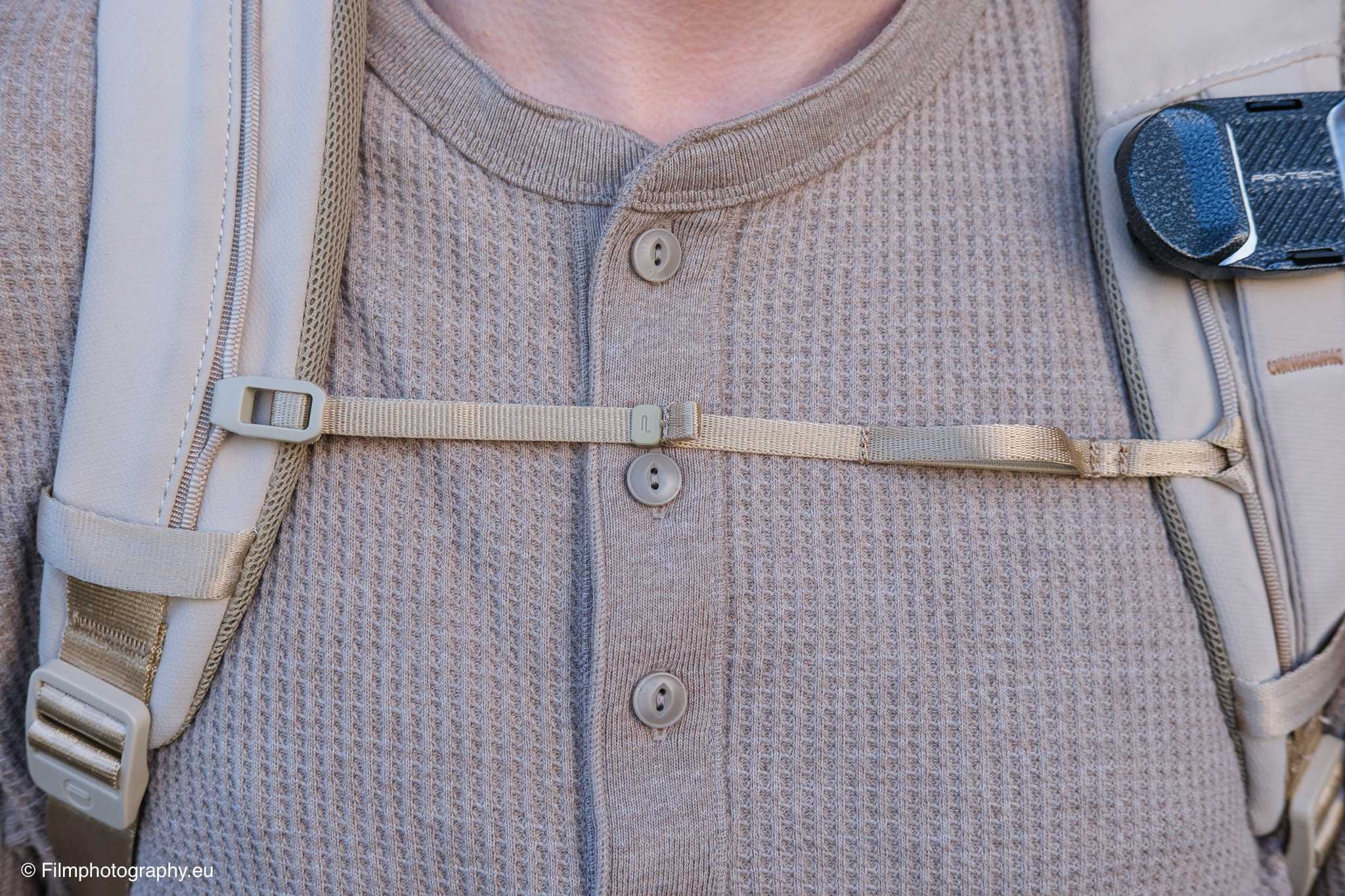
A particularly useful aspect in photo routine is the mount on the strap, designed for accessories such as the in-house PGYTECH Beetle Clip. If you don't want to let your body dangle from a neck strap for hours, simply clip the camera firmly to the shoulder strap. The weight distributes surprisingly evenly across the upper body, both hands stay free, and the camera is still ready for use with a single grip.
As Carry-On
{% responsive 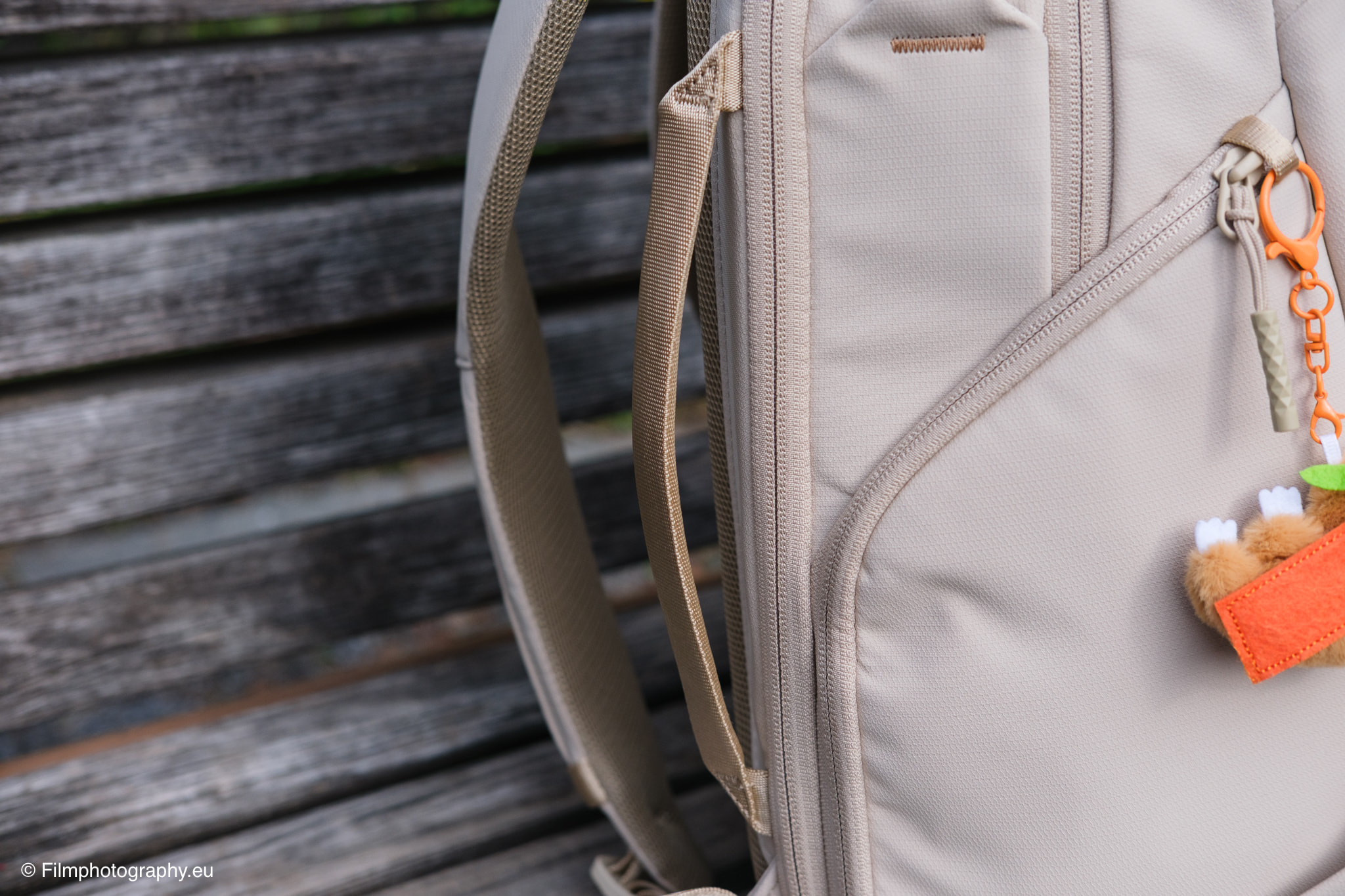
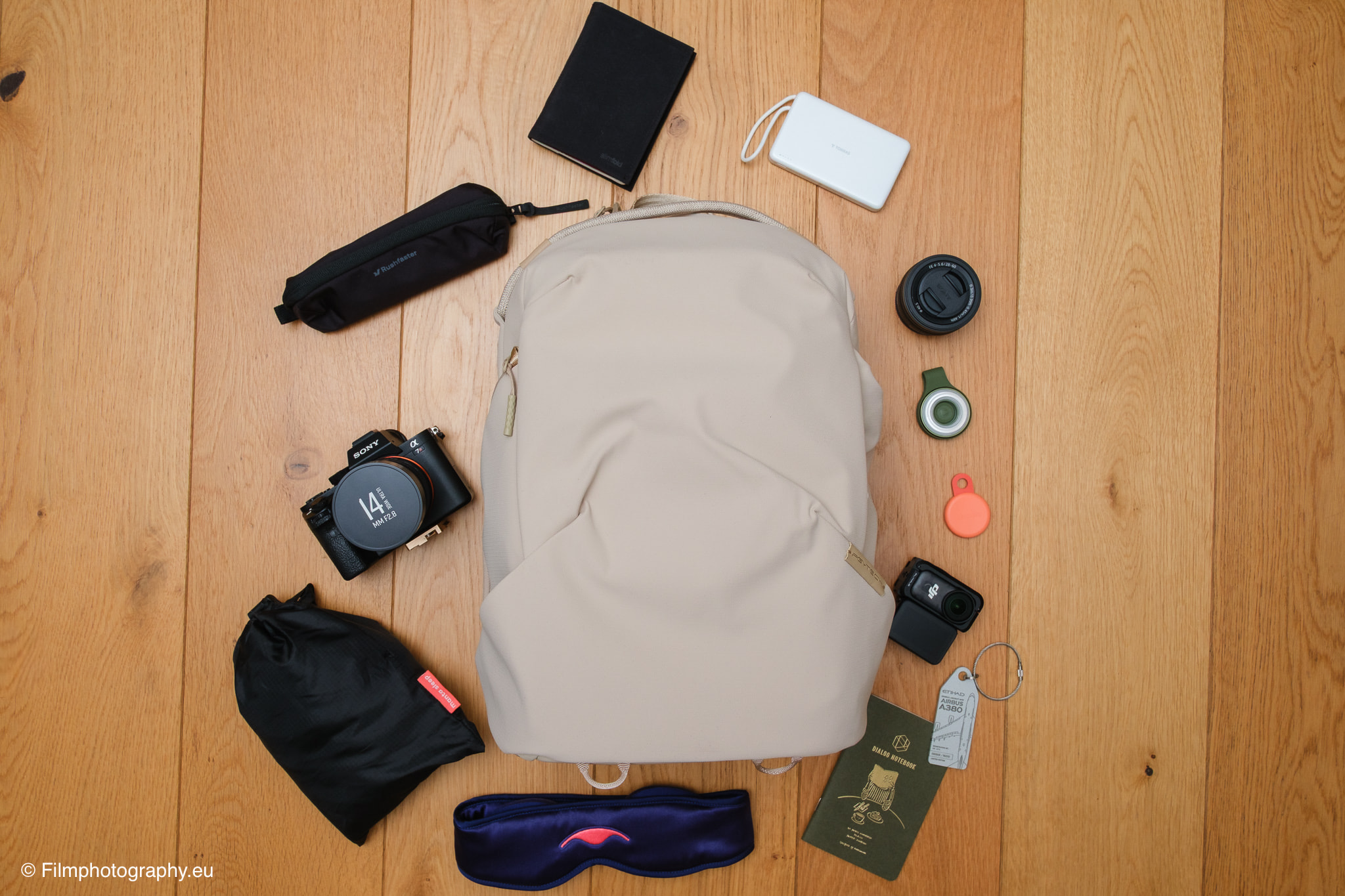
The dimensions of the 16-liter version work excellently with the requirements of common airlines for a personal item alongside a cabin trolley. It fits without issue under the seat in front and holds all sensitive valuables such as cameras, hard drives and the laptop.
At security checks, fully opening the backpack proves its value. When staff ask to see a device from the bottom of the backpack, you don't have to frantically pull out everything. You open the front cleanly and pack up just as quickly.
The side handle is practical for pulling the backpack out of the overhead bin or attaching it to the handle of a rolling suitcase. However, the backpack is then placed crosswise on the suitcase.
I would have wished for an attachment in upright position. At the airport you usually need the top compartment or the laptop compartment, which are harder to reach in landscape orientation. Also, when positioned horizontally there is a risk that a bottle slides out of the side pocket. Two small loops on the back panel, through which you could run the sternum strap and wrap it around the suitcase handle, would have been a welcome solution.
A hidden security pocket on the back panel for the passport would round off the profile as carry-on luggage even further.
As a Day Pack
When the camera gear isn't needed in full, the backpack can easily be repurposed. Removing the dividers entirely creates a full-fledged day pack for short hikes, shopping or souvenirs.
If you leave the padding inserted in the lower area, you keep a clean division, use the side access for a drink bottle or windbreaker, and use the upper area for provisions. Thanks to full opening, the contents always stay clearly organized.
Ideas for a 2.0 Version
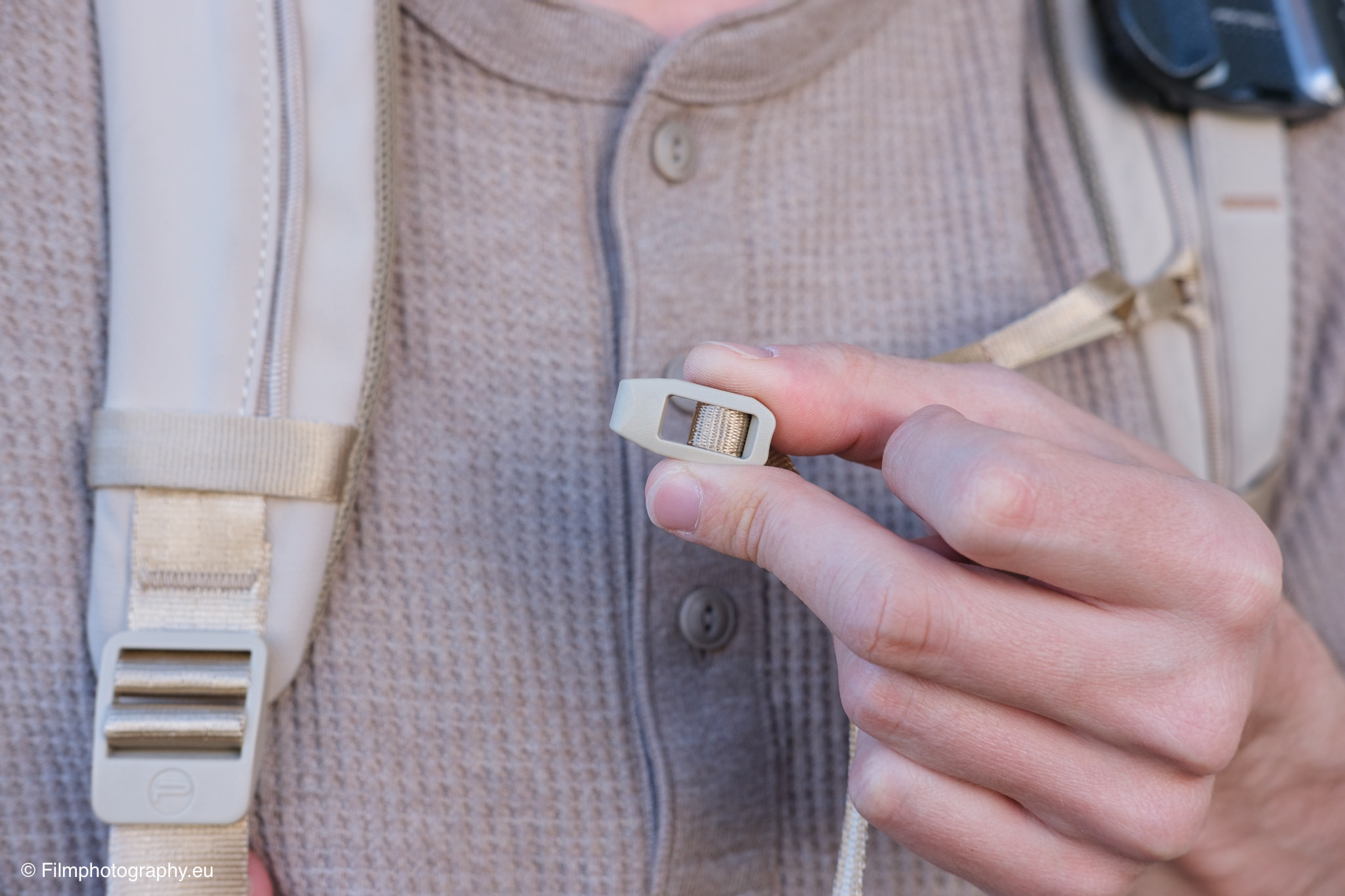
Although the overall concept convinces, there are details that should be reworked in a second generation. The included sternum strap is no highlight. The system is unnecessarily fiddly. Why a proven magnetic closure or simply a classic buckle was dispensed with remains unclear. Since you often swing the backpack forward over one shoulder while photographing, releasing the sternum strap must work smoothly.
In the upper area of the backpack I miss a flat, lockable pocket. When the backpack stands next to you on a train, you'd like to drop small items such as lens caps, memory cards or keys straight in from above. The front pocket is only partially suitable for this due to its side zipper, as small parts can easily fall out when opening it quickly.
Conclusion on the PGYTECH OneGo Lite 16L
The PGYTECH OneGo Lite 16L proved to be an exceptionally reliable companion on the trip, convincing mainly through its successful combination of an understated exterior and a functional interior layout.
Choosing the light cream color meant I never looked like a heavily loaded photo tourist. Instead, I moved through cities and trains with a timeless day pack. This visual restraint, paired with quick side access to the camera body, is what makes it appealing for everyday photography.
As carry-on luggage on airplanes, the backpack also shows its strengths fully. It slides effortlessly under the seat and, thanks to full opening, makes security checks relaxed.
Still, the backpack has quirks the manufacturer should refine for a future version. The fiddly sternum strap buckle caused more than one moment of frowning in daily use, and the somewhat thick dividers unnecessarily waste interior space.
A second generation with an uncomplicated magnetic closure, thinner hook-and-loop elements modeled on the Roamer backpack, and a small-item pocket for lens caps and keys would noticeably elevate the concept. A way to secure the backpack upright on a trolley handle would also suit the OneGo Lite well. For fans of especially robust feel, a Pro version with even more durable premium fabrics would be exciting, as known from brands such as Aer or Pioneer Carry.
All in all, the practical advantages clearly outweigh the drawbacks. If you're looking for a light, flexible photo backpack for city trips, travel or the daily commute to work, and you simply think of an extra protective cover when steady rain sets in, the OneGo Lite is a thoroughly fair and versatile package. It does its job pleasantly unobtrusively, blends harmoniously into any trip, and shows that well-thought-out camera protection need not be cumbersome or visually loud.
Buy the PGYTECH OneGo Lite
You can buy the PGYTECH OneGo Lite backpack directly from the manufacturer's online shop. When ordering from the store, the discount code FILMPHOTO can be used. The model is also available on Amazon. A Black Friday sale is currently running in the PGYTech shop, which includes this backpack among others.
Bag specifications
- Volume16 l (4.2 gal.)
- Weight1.16 kg (2.6 lb)
- Dimensions41 × 31 × 18 cm (16.1 × 12.2 × 7.1 in)
Bag as cabin baggage
The bag fits the allowance of 6 of 24 airlines as personal item. It can be brought as carry-on on 24 of 24 airlines.