Almost every photographer and tech enthusiast knows the box full of black and white cables where nobody knows exactly which one still works reliably. Some cables charge the camera agonizingly slowly, while others fail to establish any connection at all when you try to transfer data to the computer.
Treedix's handy testers promise an uncomplicated solution to put an end to the charging chaos on the desk and in the camera bag.
Treedix USB Cable Tester
Anyone who regularly works with cameras, external microphones, batteries and external hard drives inevitably accumulates dozens of cables. The visual problem is obvious: from the outside, you cannot tell what is inside a plain connector.
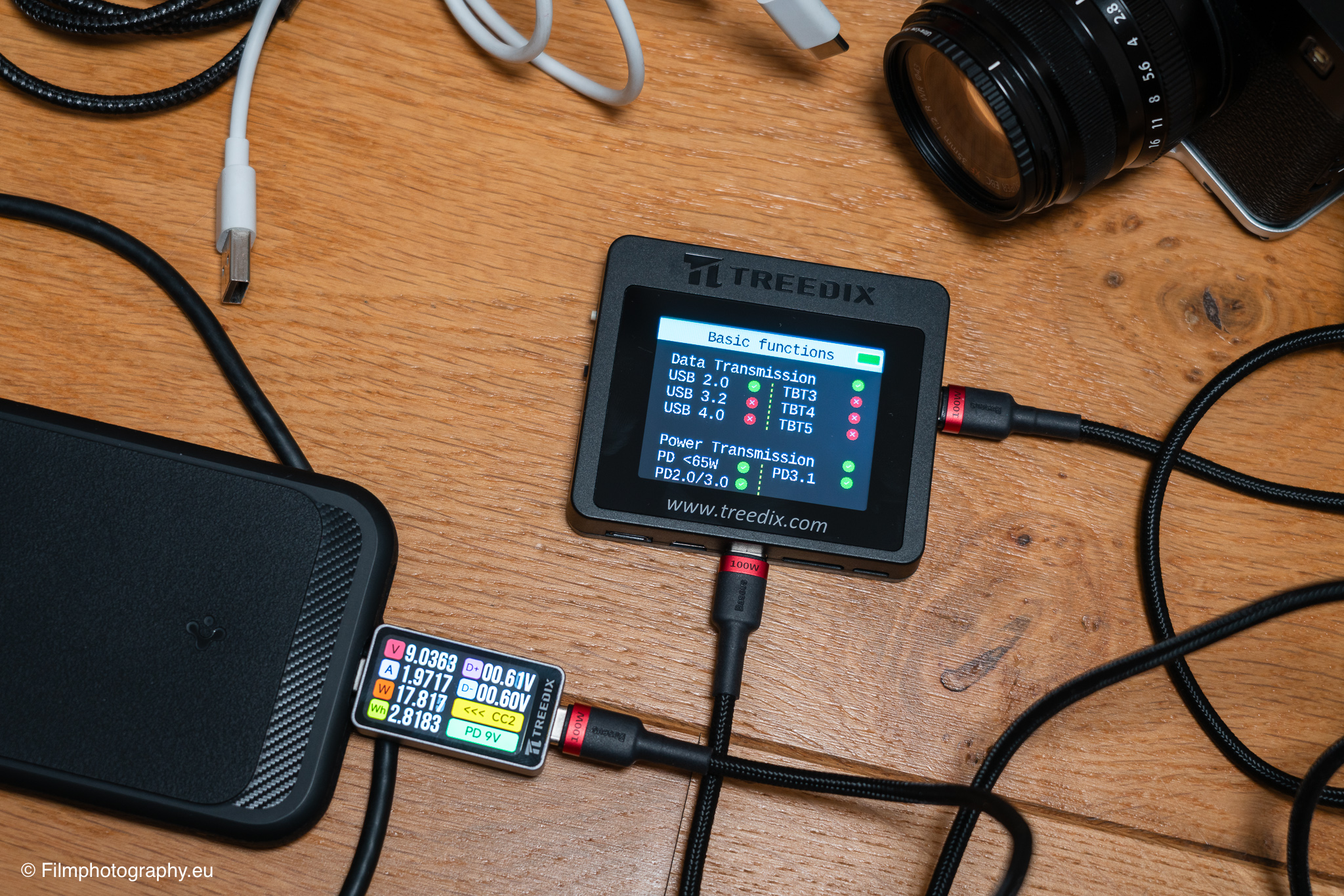
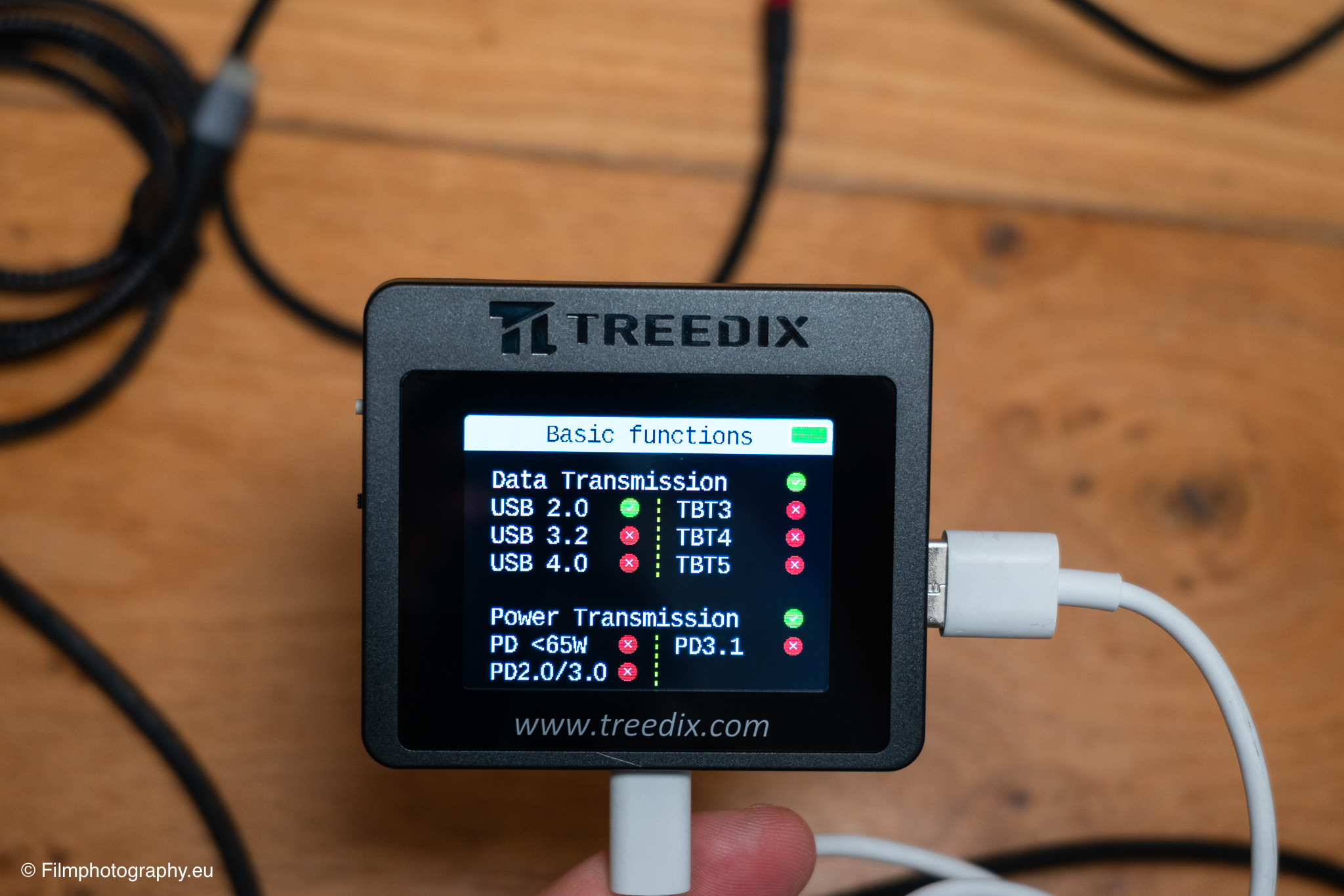
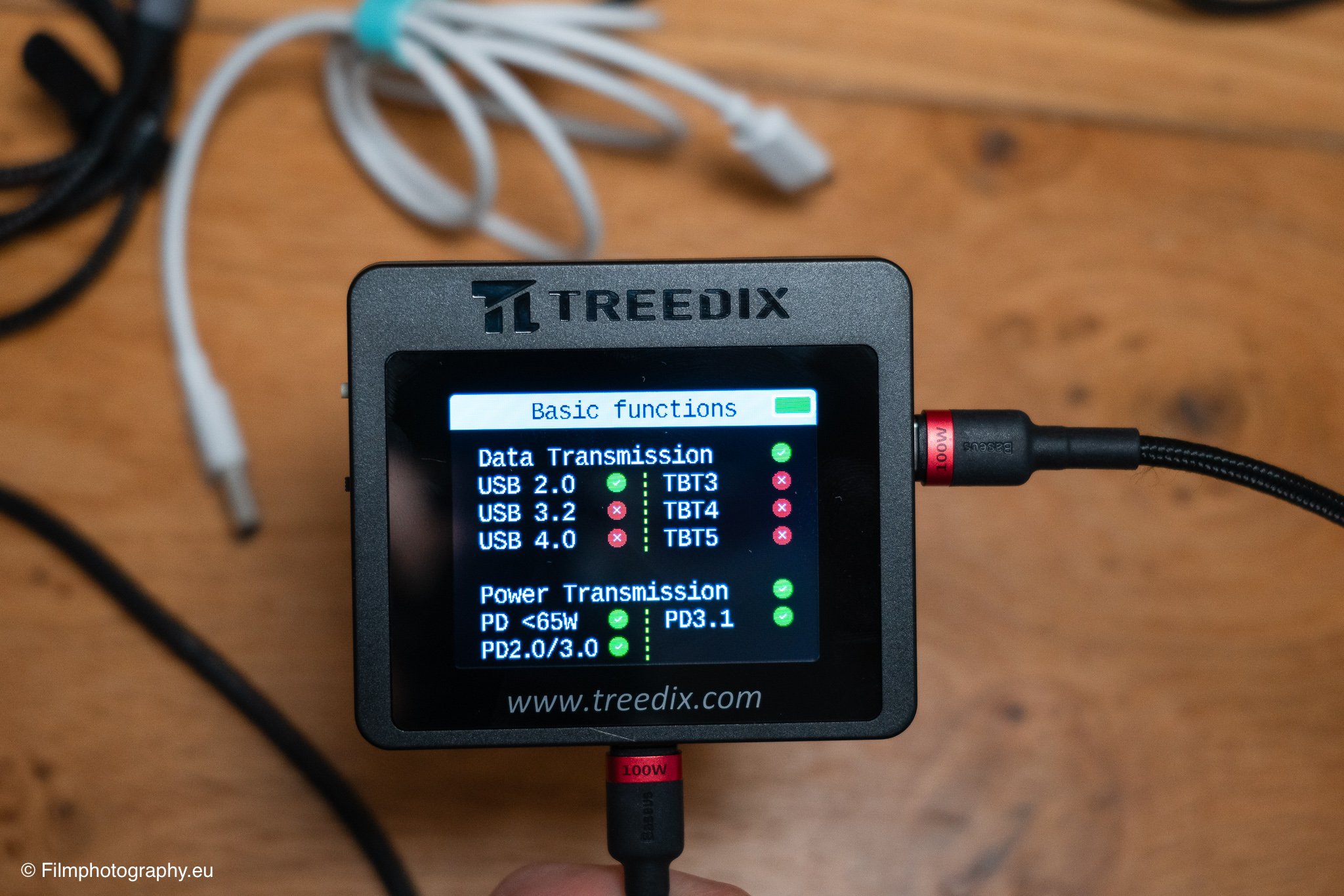
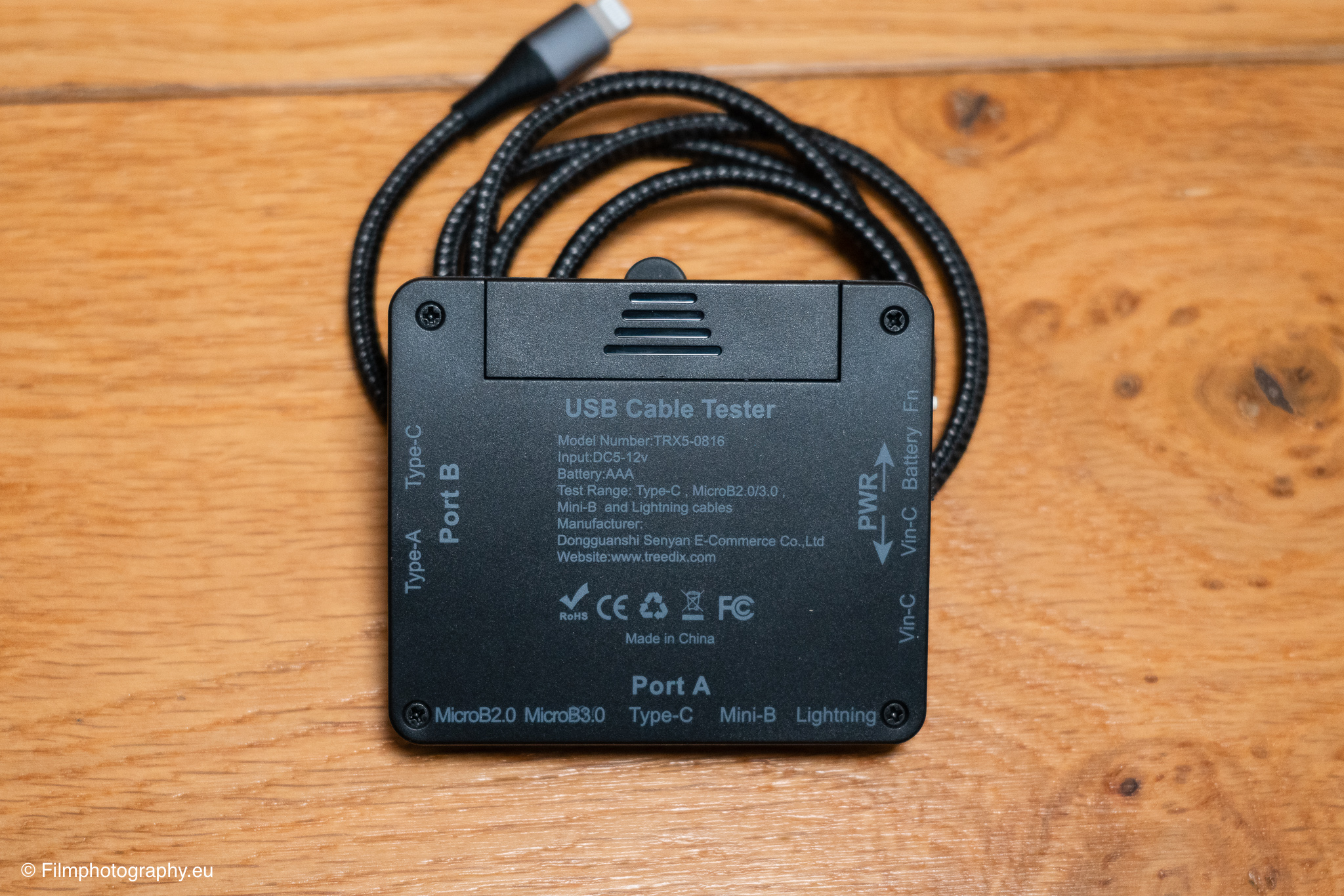
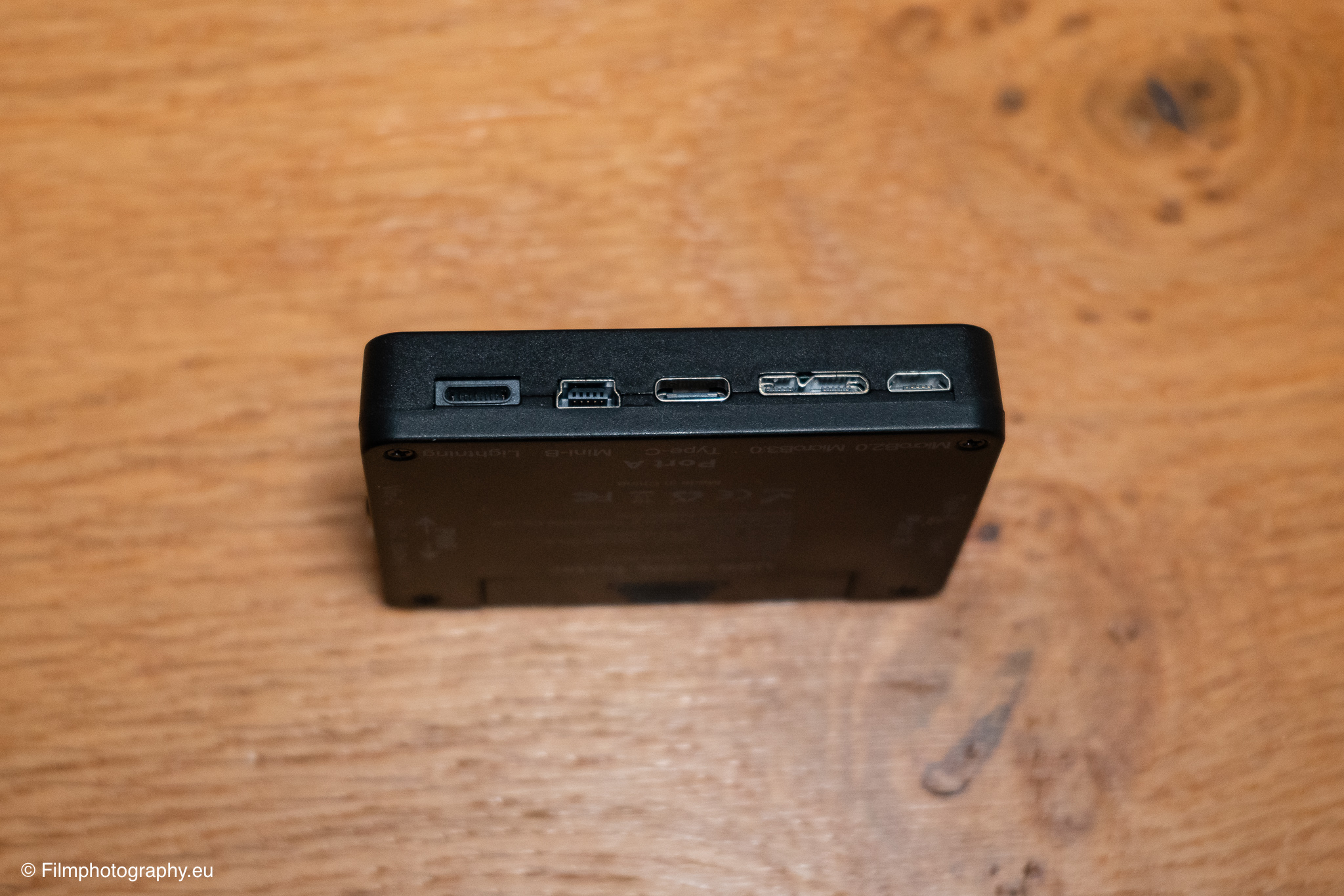
The Treedix USB Cable Tester features a 2.4-inch color display. The device has sockets for almost every standard of recent years. Alongside current USB-C and USB-A connectors, it also supports older formats such as Micro-B, the wide Micro-B 3.0 used by external 2.5-inch hard drives, the classic Mini-B port of older audio devices, and Lightning.
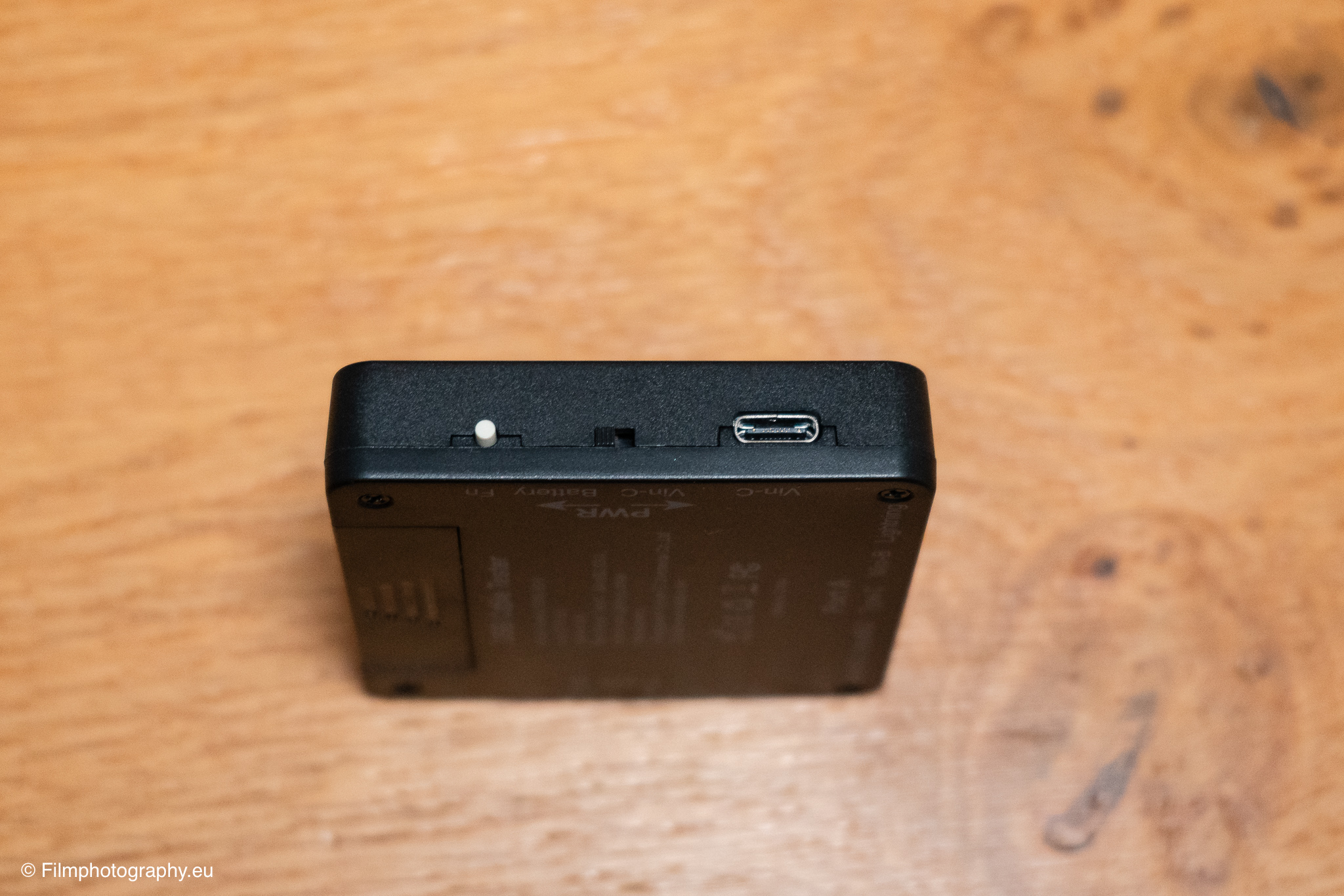
To test a cable, you plug both ends into the matching sockets of the tester and supply the device with power separately. The color display turns on and immediately provides a graphical overview of the internal wiring.
Is the cable intact at all? Is it suitable for data transfer or only for pure charging? And what charging power is it designed for?
The display answers these core questions at a glance. You can immediately see whether the data lines are missing, which happens surprisingly often with cheap bundled cables from small lamps or chargers.
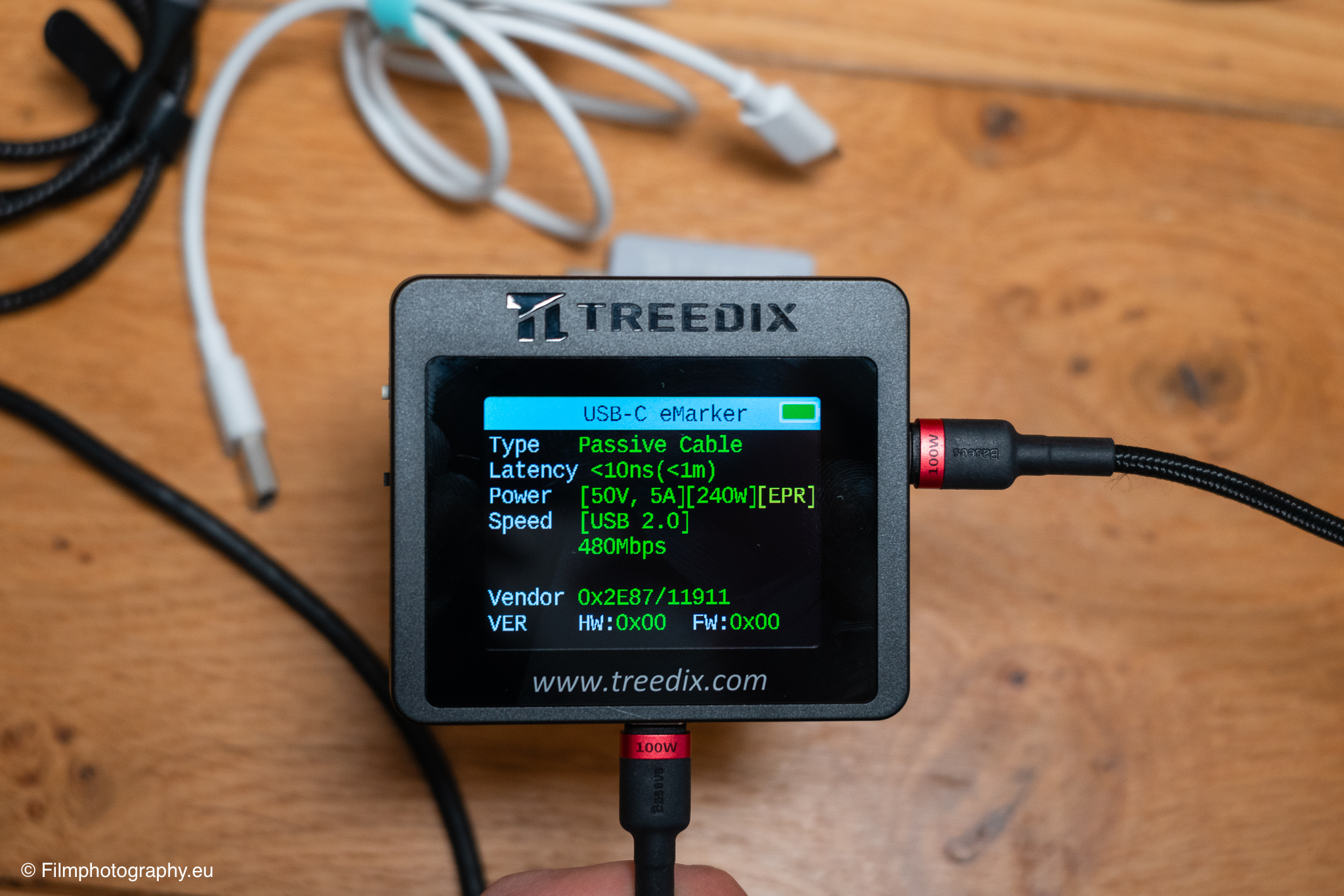
If you have tried in vain to drag photos from the memory card to your notebook, you will see within seconds whether the cable is the cause. The display also clearly shows how many watts a modern USB-C cable can carry at most.
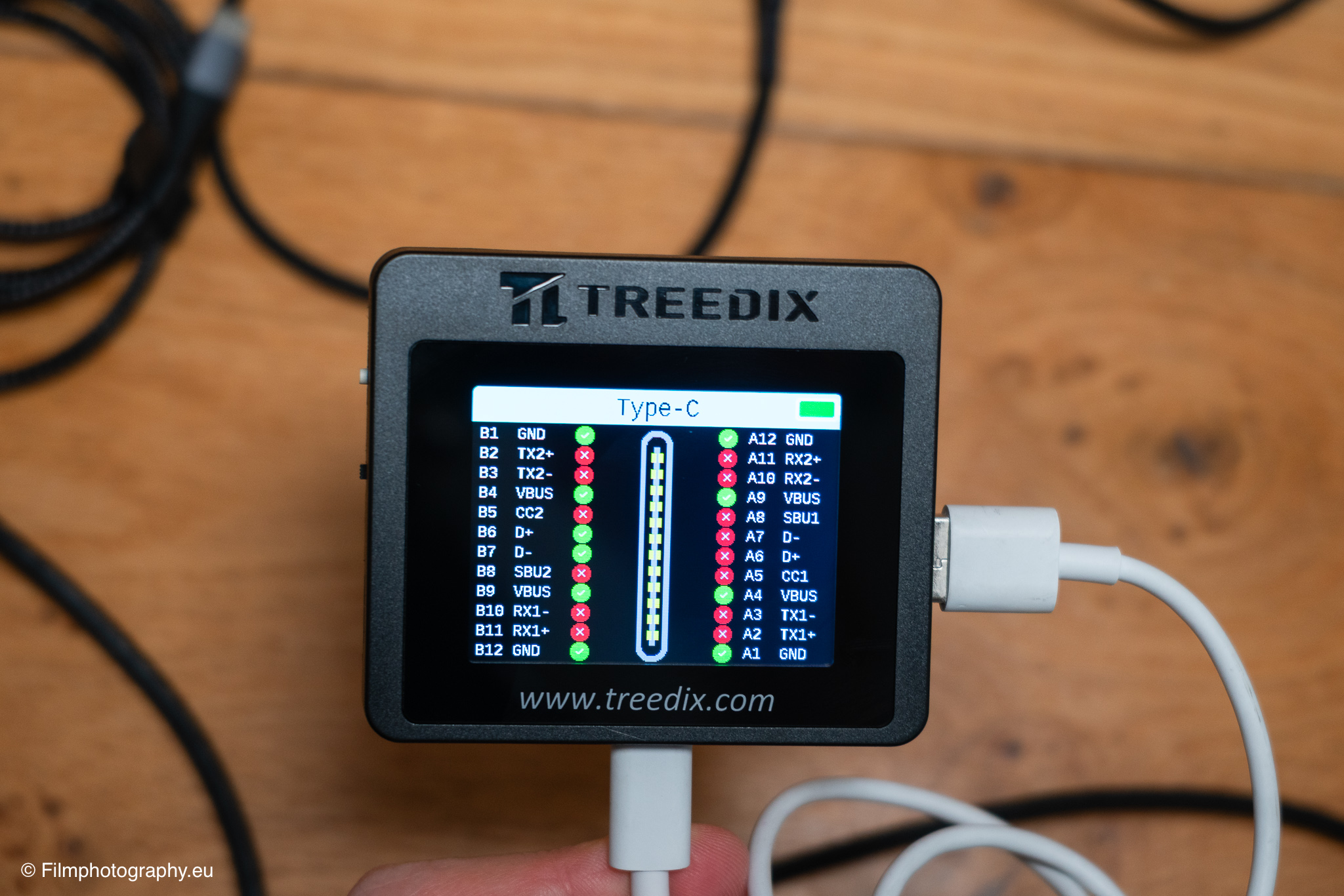
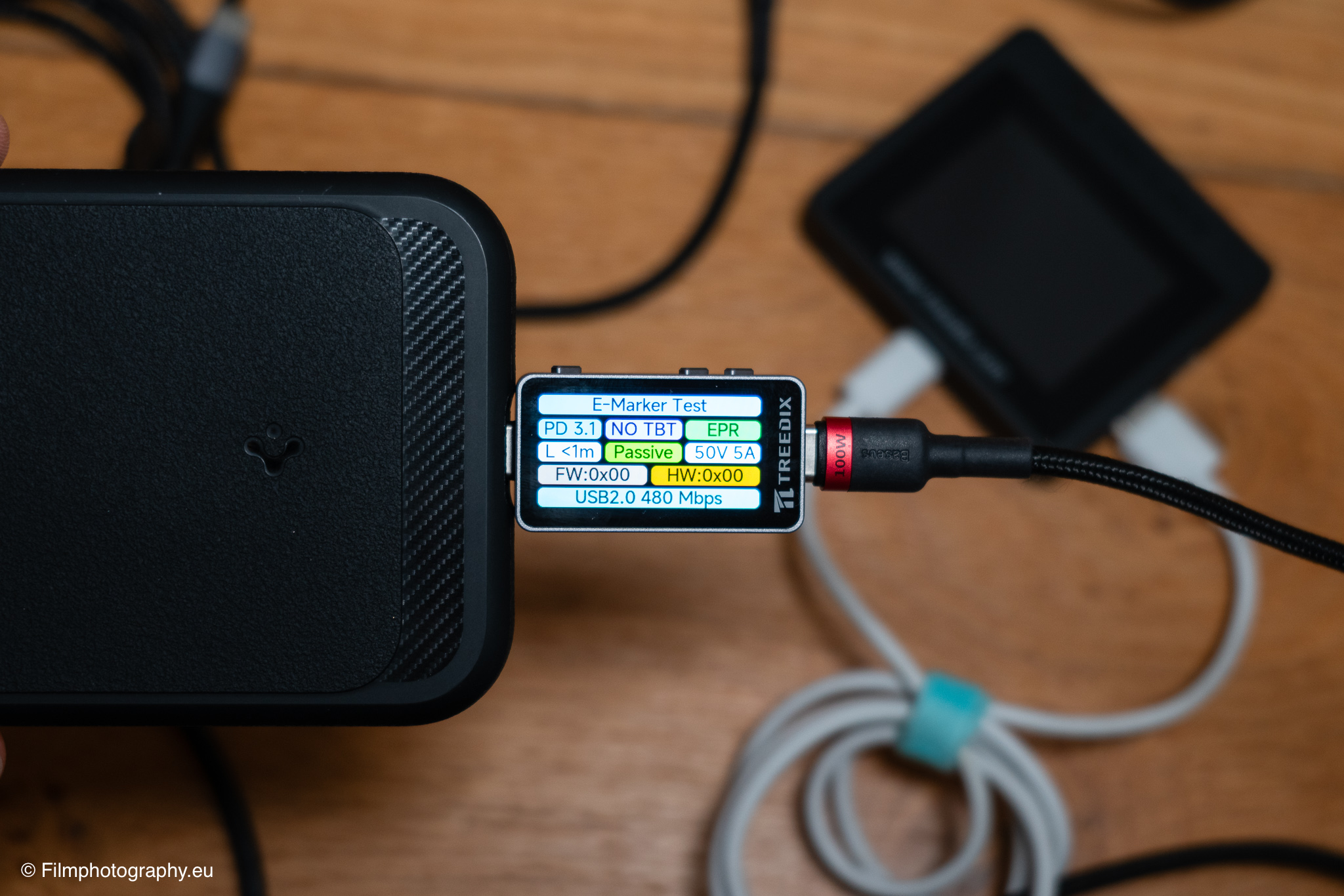
Beyond that, the screen provides a whole range of further measurements, such as the exact internal resistance of the lines, shielding against interference signals, or detailed data from the built-in E-Marker chip.
These deeper analyses do require a bit more electrical engineering knowledge, but for a quick check in between, a look at the basic functions is entirely sufficient.
This way you can separate working all-rounders from inferior charging cables in no time, without getting lost in theoretical details.
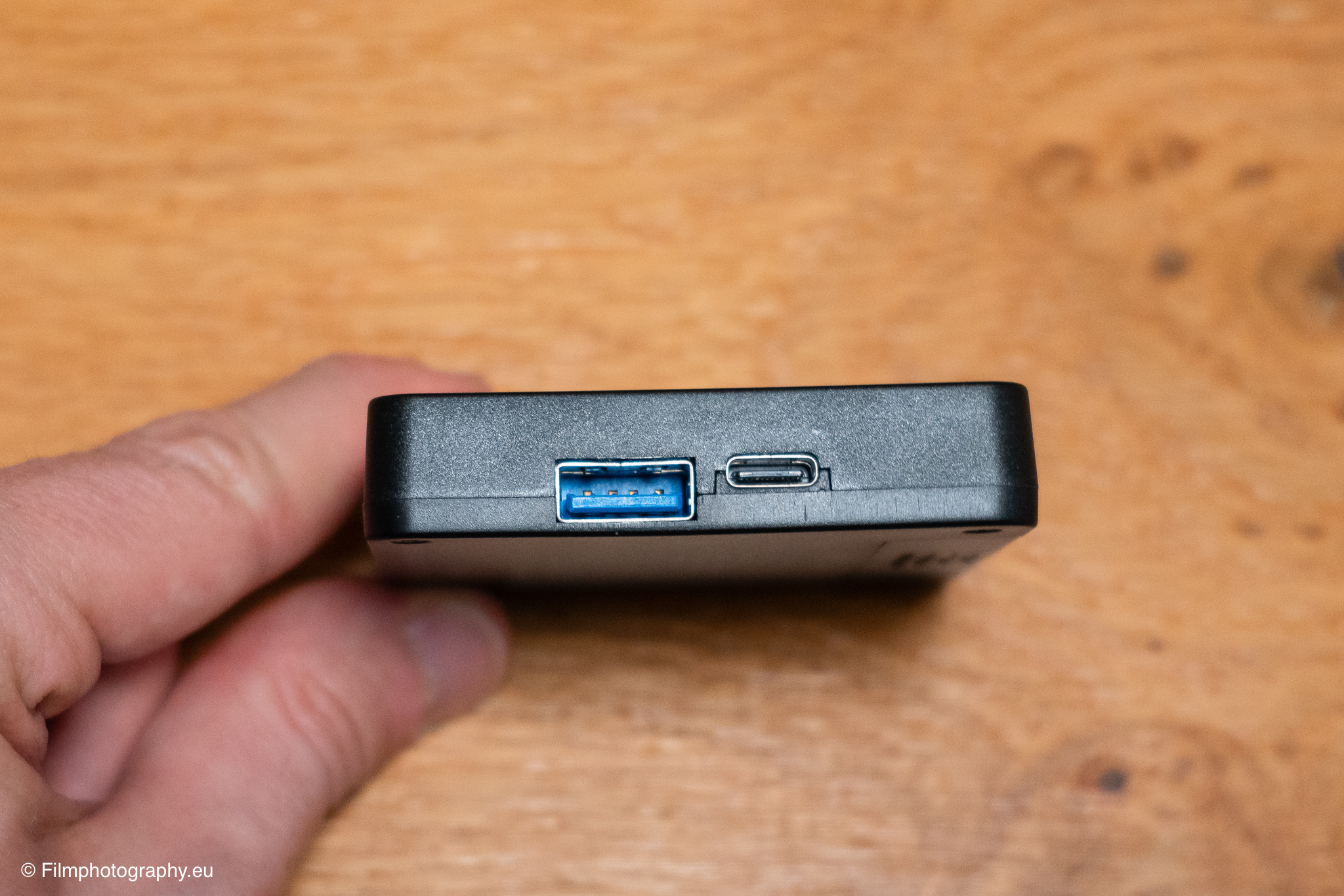
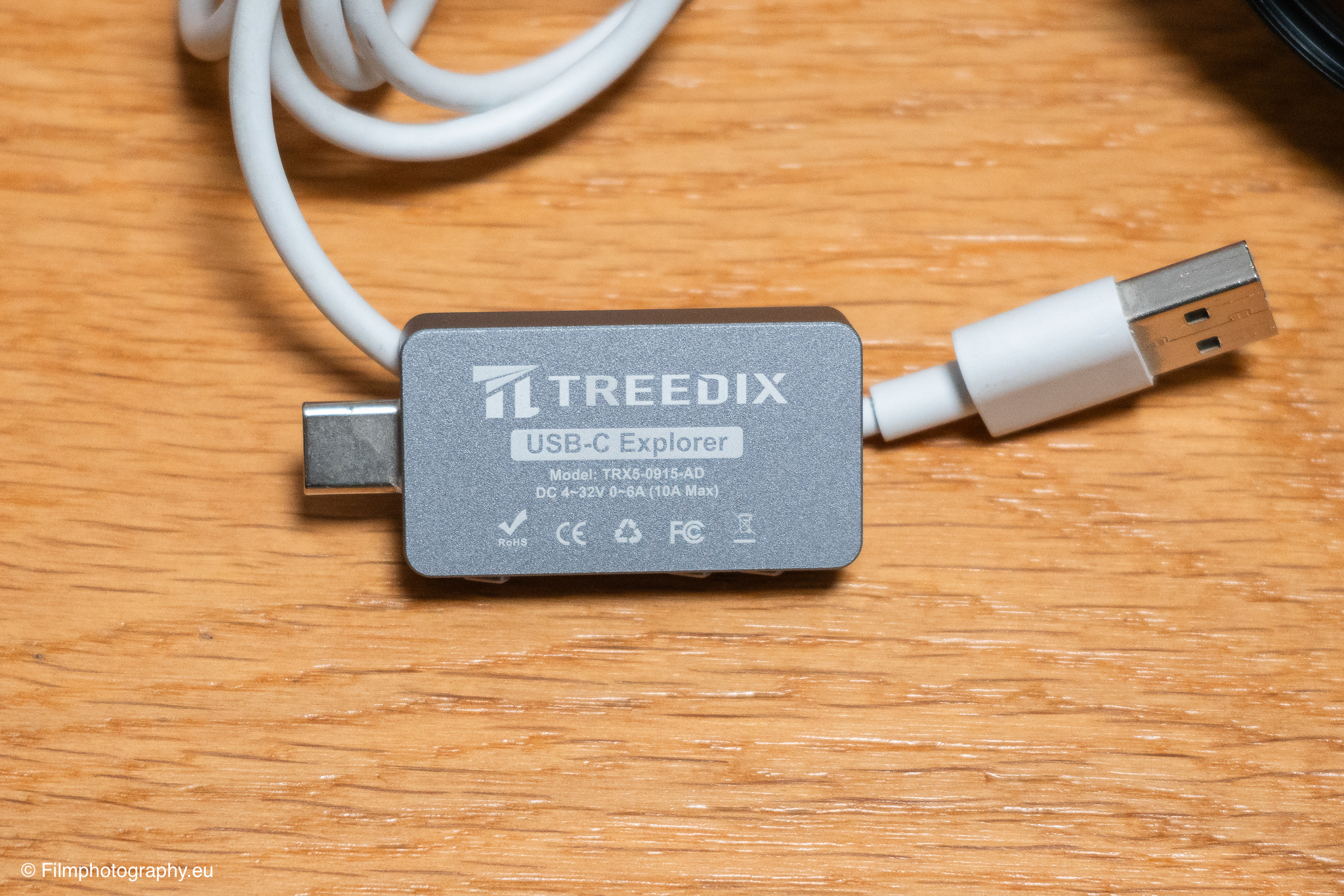
Treedix USB-C Tester Power Meter
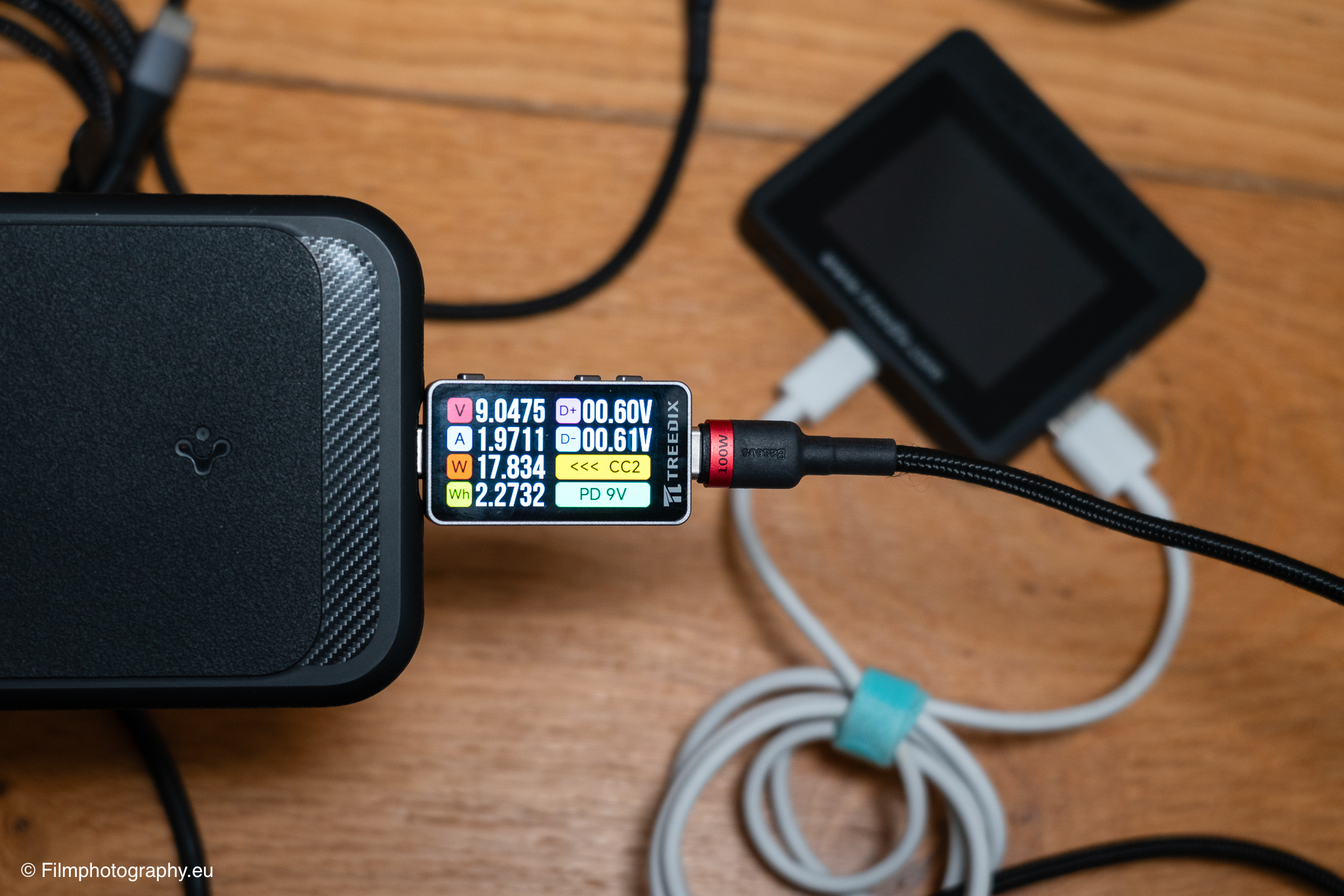
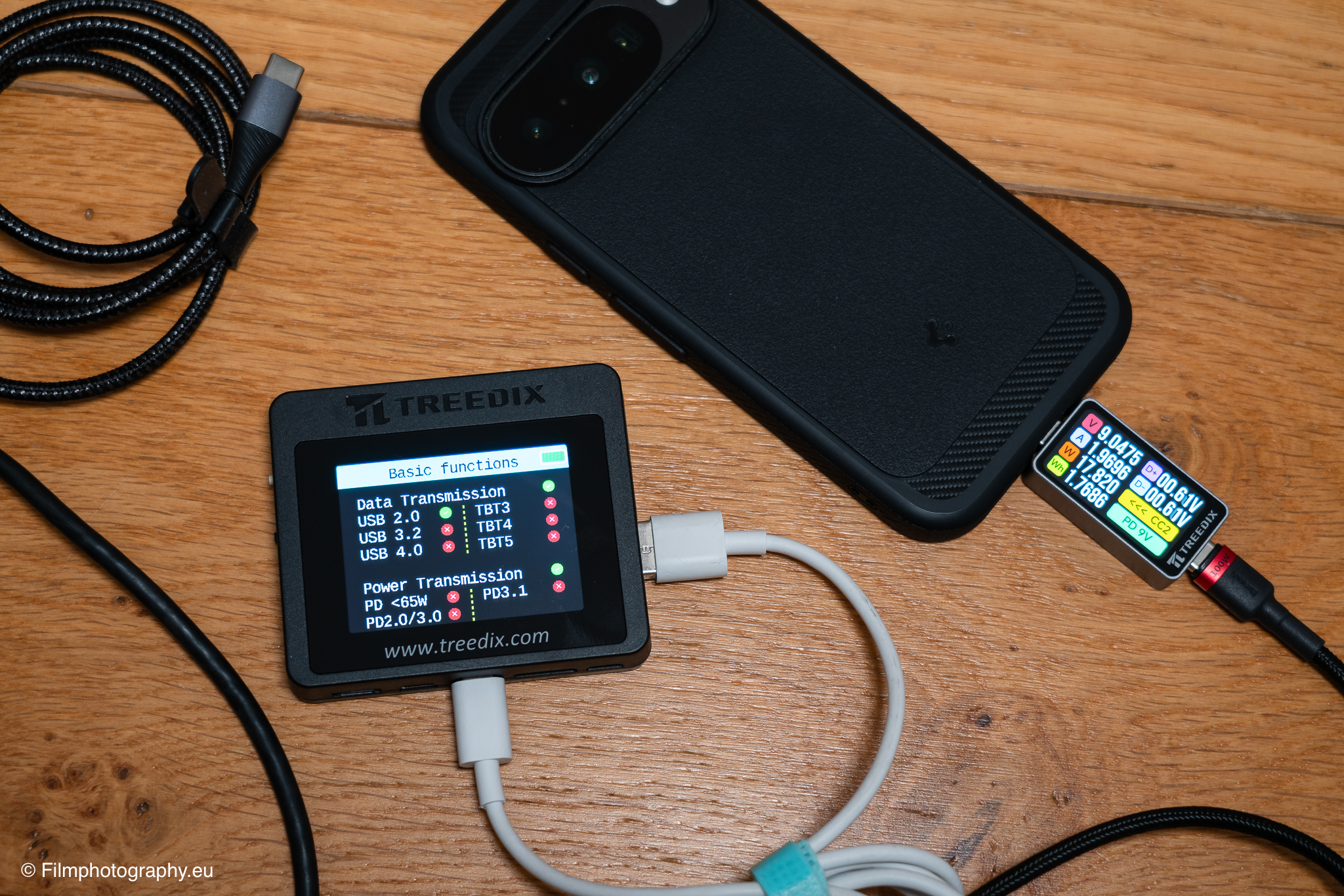
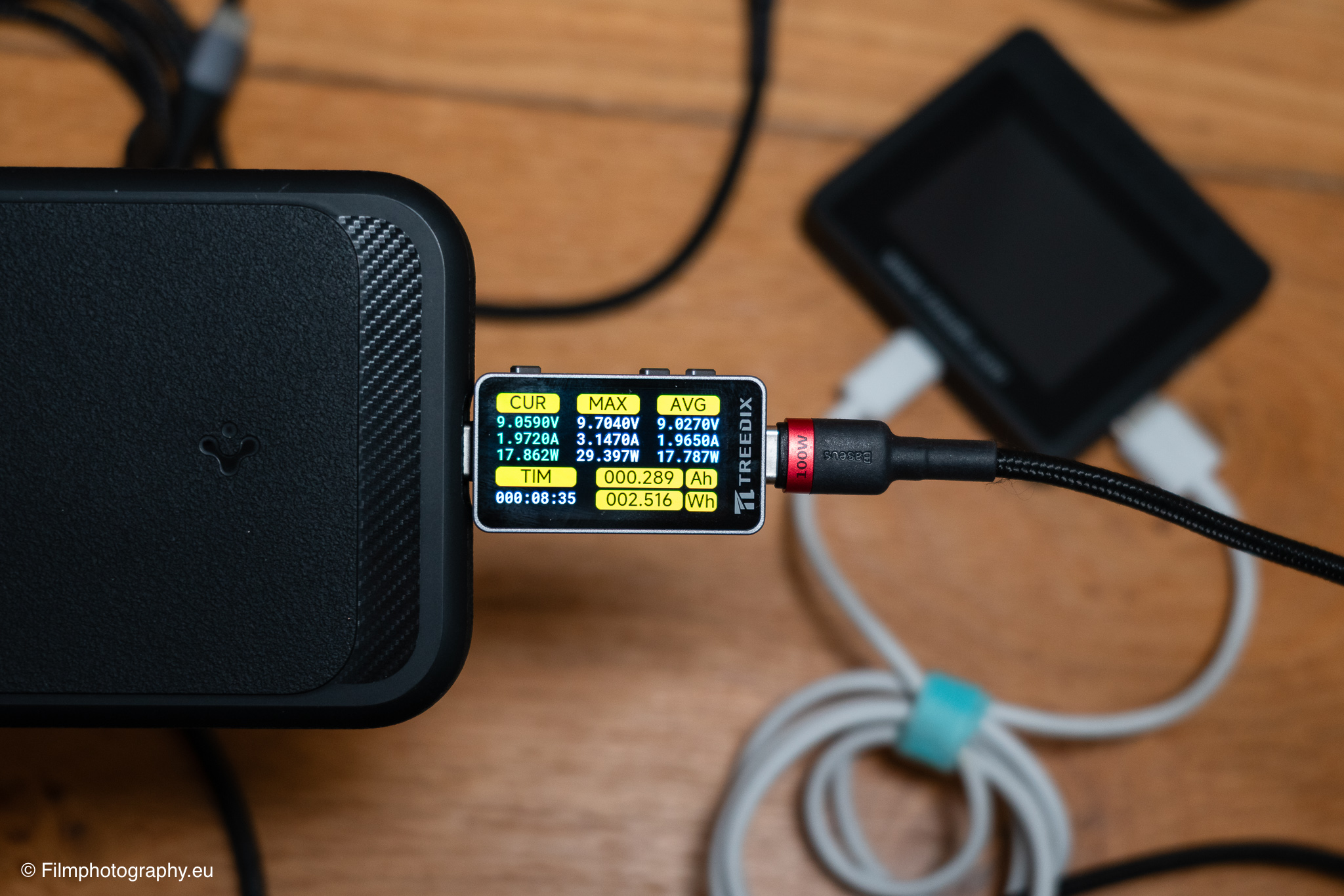
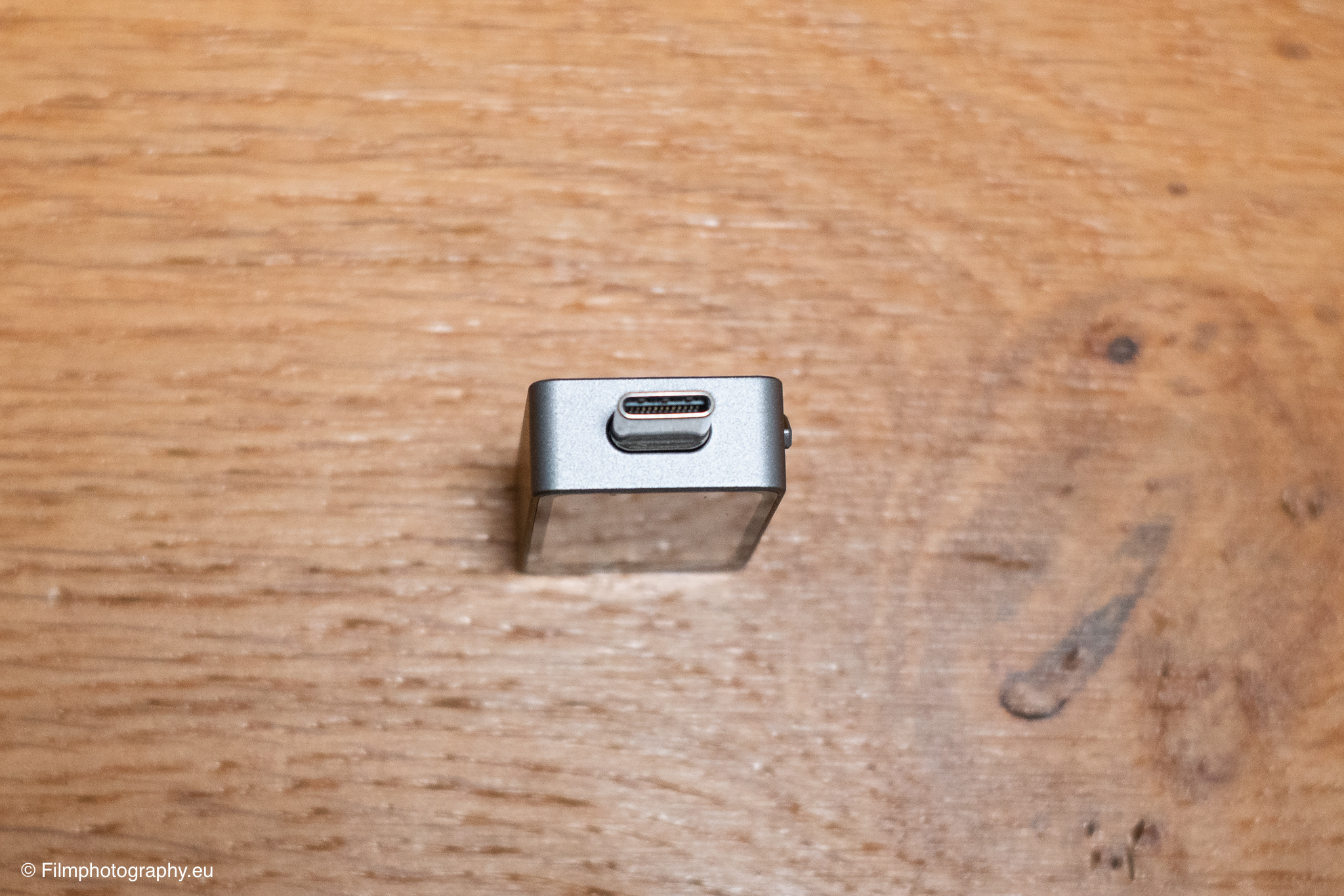
While the Cable Tester examines the cable in isolation while it is at rest, the Treedix USB-C Tester Power Meter focuses on what happens during operation. This module is plugged like an adapter directly between the charger or power bank and the end device.
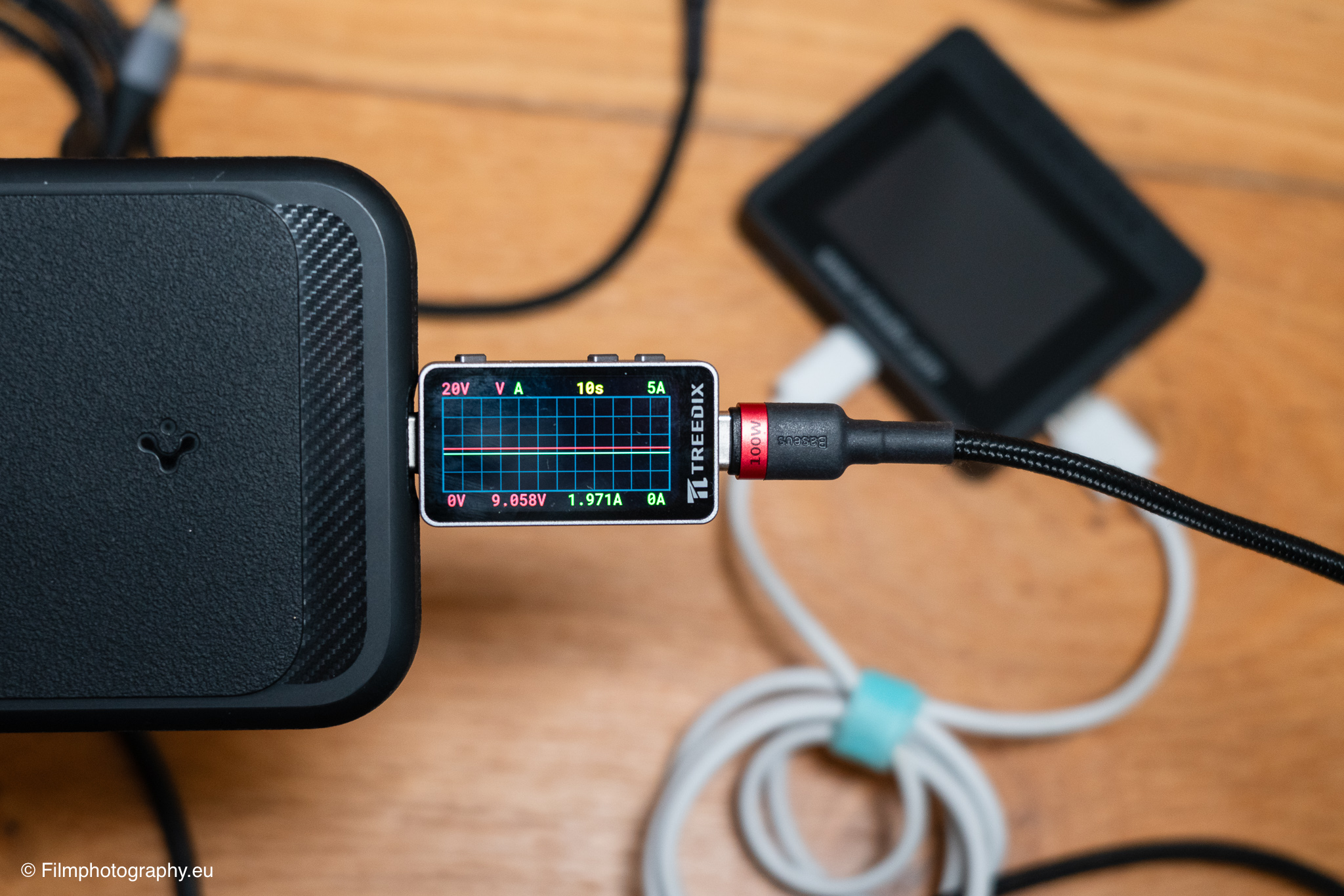
Via its built-in display, it shows in real time the actual voltage in volts, the current flowing in amperes, and the resulting power in watts.
This tool is extremely useful if you suspect you were cheated when buying accessories. Online platforms are full of countless power banks advertised with astronomical capacity figures of 30,000 milliampere-hours or more.
The Treedix Power Meter precisely adds up the amount of charge that actually flows during the charging process. If a supposedly gigantic power bank shuts off after just 8,000 milliampere-hours, the device delivers hard facts on the screen that can be used to justify a complaint with the retailer.
The inline device also helps with unsatisfactory charging setups. Many modern mirrorless cameras insist, when operated via a power adapter, on the Power Delivery protocol with specific voltage values.
If your power adapter or power bank does not negotiate this protocol properly, the camera or charger silently falls back to an emergency charging program with minimal current.
The Power Meter immediately uncovers such bottlenecks by showing which charging voltage has currently been negotiated and which fast-charging protocols, such as Quick Charge or Power Delivery, the charger supports in principle.
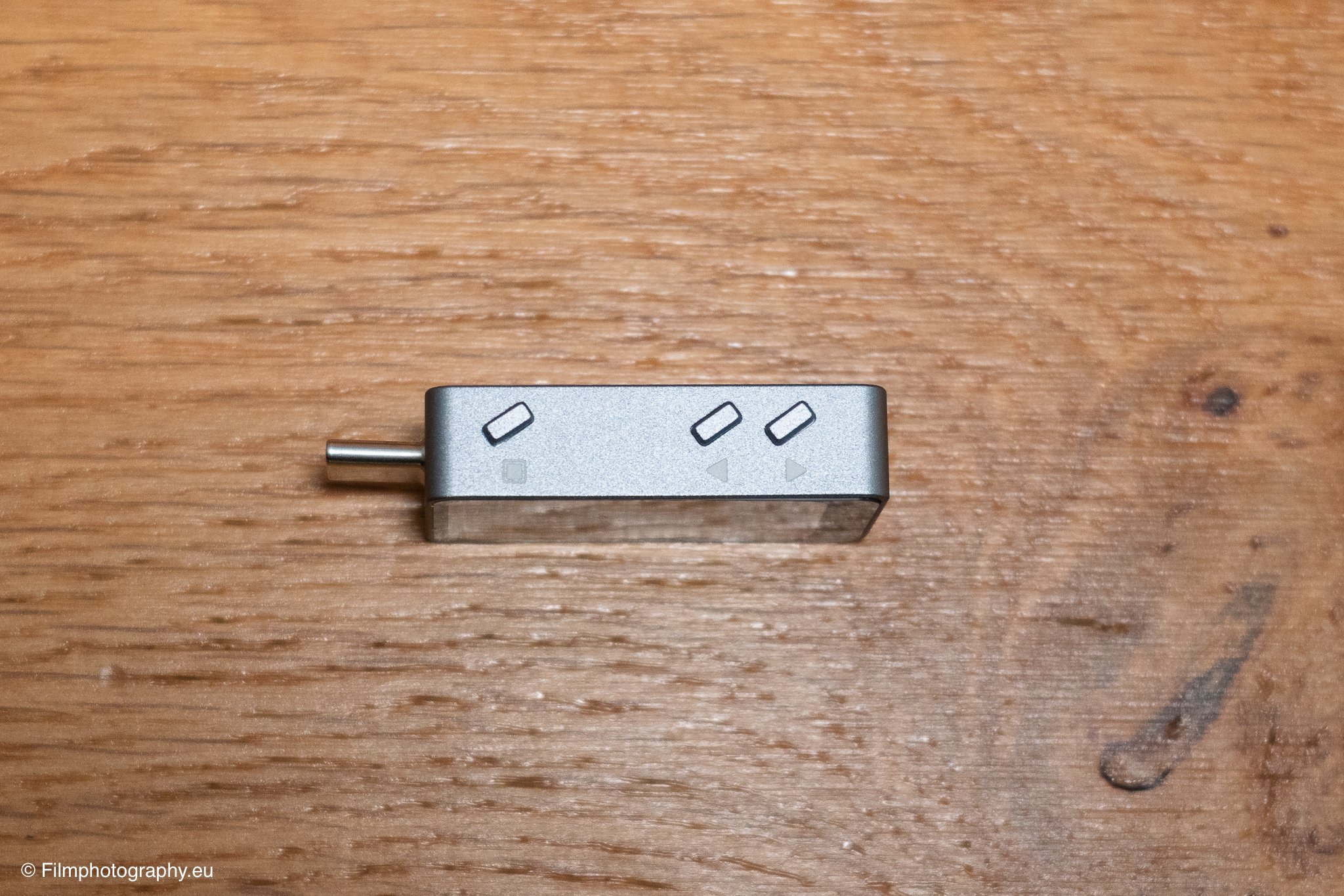
Operation is handled via small buttons on the edge of the housing, which you use to scroll through the various information pages. Due to the compact design, this requires a bit of finesse at first, but it becomes easy after a short period of getting used to it.
Anyone who has once sat helplessly in the field in front of a camera that kept slowly draining despite a connected power bank will quickly appreciate the clear display of the actual current flow.
Conclusion
Of course, buying these tools does not make sense for everyone. If you only own a single smartphone at home and charge it with the manufacturer's included cable from a wall socket, you do not need a measuring device of this kind.
The duo only becomes interesting when you own many different cables, regularly buy additional accessories, or are unhappy with your charging times on the road.
Combined, the two Treedix devices very pragmatically solve the typical USB jumble. With its 2.4-inch display and its checks of internal resistance and E-Marker, the Cable Tester reliably sorts out old or faulty cables. The Power Meter, in turn, monitors the active charging process and reveals whether batteries and power adapters live up to what the manufacturer's packaging promises. Both devices deliver factual answers instead of vague guesses and, in the long run, create reliable charging setups for everyday photography.
Buy
Both testers can be purchased directly online. The Treedix USB Cable Tester on the official Treedix website is available directly from the manufacturer, as is the Treedix USB-C Tester Power Meter in the Treedix online shop. If you prefer the fast shipping and familiar return options of a large online retailer, you can also find the tester and the Power Meter on Amazon.